How to Walk Away from a High-Paying Job

TL;DR
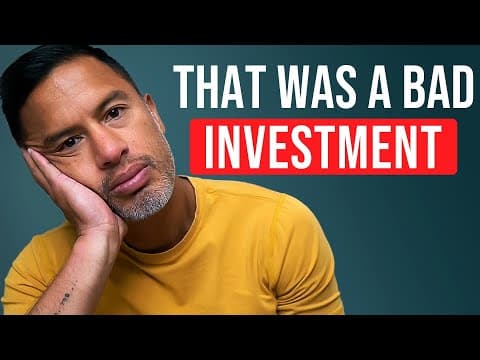
Walking away from a high-paying job can be daunting, but it's crucial if it starts to make you unhappy. The key is to recognize when the work no longer aligns with your values or interests, and to have the courage to pursue what truly brings you joy and fulfillment, even if it means leaving financial security behind.
Transcript
welcome everyone to another episode of the examine Life podcast where we take some of life's thorniest questions and deconstruct them in a pragmatic and philosophical way I am so excited for our guest today Sarah chapel and we're going to be tackling the question how do you walk away from good money how's it going Sarah um so I'm like jumping right... Read More
Key Insights
- Walking away from a high-paying job can be emotionally challenging, but necessary for personal fulfillment.
- Recurring passive income is often a myth, especially when it involves ongoing engagement and effort.
- Boredom and resentment can set in when the work becomes repetitive and lacks novelty.
- The desire for change often stems from a deeper need for alignment with personal values and interests.
- The fear of judgment from others can be a significant barrier to leaving a high-paying job.
- Financial security is important, but it should not come at the cost of personal happiness and well-being.
- Exploring new hobbies or interests can help rediscover what brings joy and satisfaction.
- It's important to recognize when self-care is being used to cope with an unsustainable work situation.
Install to Summarize YouTube Videos and Get Transcripts
Explore YouTube Video Summarizer or Get YouTube Transcript Extractor
Questions & Answers
Q: How to recognize when it's time to leave a high-paying job?
It's time to leave a high-paying job when it no longer aligns with your personal values or interests, and when the work becomes a source of unhappiness or resentment. Pay attention to feelings of boredom, stress, or anxiety that persist despite efforts to improve the situation. If the job is impacting your well-being and you find yourself longing for something more fulfilling, it may be time to consider a change.
Q: What are the challenges of leaving a job with recurring income?
Leaving a job with recurring income can be challenging due to the financial security it provides. The fear of losing a steady income stream and the uncertainty of what comes next can be daunting. Additionally, there may be emotional challenges, such as guilt or fear of judgment from others. It's important to weigh the financial benefits against the personal cost of staying in an unfulfilling job.
Q: How can you prepare financially for a career change?
To prepare financially for a career change, start by building a financial cushion to cover expenses during the transition. This may involve saving a portion of your income, reducing unnecessary expenses, or exploring alternative income streams. It's also important to research potential career paths and consider any additional training or education that may be required. Planning and budgeting can help ease the financial uncertainty of a career change.
Q: Why is it important to align work with personal values?
Aligning work with personal values is important because it leads to greater satisfaction, motivation, and fulfillment. When your work reflects your core beliefs and interests, it becomes more meaningful and engaging. This alignment can improve overall well-being and reduce stress, as you're more likely to enjoy and take pride in your work. It also fosters a sense of purpose, which can enhance both personal and professional growth.
Q: What role does self-care play in career decisions?
Self-care plays a crucial role in career decisions as it helps maintain physical, emotional, and mental well-being. It allows you to recharge and reflect on your needs and desires, providing clarity when making important career choices. Regular self-care practices can prevent burnout and ensure that career decisions are made from a place of balance and mindfulness, rather than stress or desperation.
Q: How can hobbies help in finding a new career path?
Hobbies can help in finding a new career path by reigniting passion and creativity, and providing insights into what truly interests and fulfills you. Engaging in activities you enjoy can reveal hidden talents or interests that could be pursued professionally. Hobbies also offer opportunities to develop new skills, expand your network, and explore different industries, potentially leading to a more satisfying and aligned career.
Q: What is the 'sunk cost fallacy' in career decisions?
The 'sunk cost fallacy' in career decisions refers to the tendency to continue investing in a job or career path due to the time, money, or effort already spent, rather than evaluating its current value or future potential. This fallacy can lead to staying in an unfulfilling job out of fear of wasted investment, rather than making a decision based on present happiness and future goals. Recognizing this fallacy can help in making more rational career choices.
Q: How can one overcome the fear of judgment when leaving a job?
Overcoming the fear of judgment when leaving a job involves building confidence in your decision and focusing on personal fulfillment. Remind yourself of the reasons for the change and the potential benefits it brings. Seek support from trusted friends or mentors who understand your goals. It's important to prioritize your own happiness and well-being over others' opinions, as ultimately, you are the one living with the consequences of your career choices.
Summary & Key Takeaways
-
Walking away from a high-paying job requires courage, especially when the work no longer aligns with your values or brings you joy. It's crucial to recognize when financial security is overshadowing personal happiness. Exploring new interests can help rediscover what truly fulfills you.
-
Recurring income can become a burden when it involves constant engagement and effort, leading to boredom and resentment. The desire to burn it all down often stems from a deeper need for alignment with personal values and interests.
-
Fear of judgment and financial insecurity can be significant barriers to leaving a high-paying job. However, personal fulfillment and well-being should take precedence, and it's important to find ways to pursue what truly brings joy and satisfaction.
Read in Other Languages (beta)
Share This Summary 📚
Summarize YouTube Videos and Get Video Transcripts with 1-Click
Try YouTube Summary with ChatGPT & Claude or YouTube Transcript Generator
Explore More Summaries from Khe Hy - RadReads 📚





Summarize YouTube Videos and Get Video Transcripts with 1-Click
Try YouTube Summary with ChatGPT & Claude or YouTube Transcript Generator