How to Prevent Heart Disease with Diet and Lifestyle
TL;DR
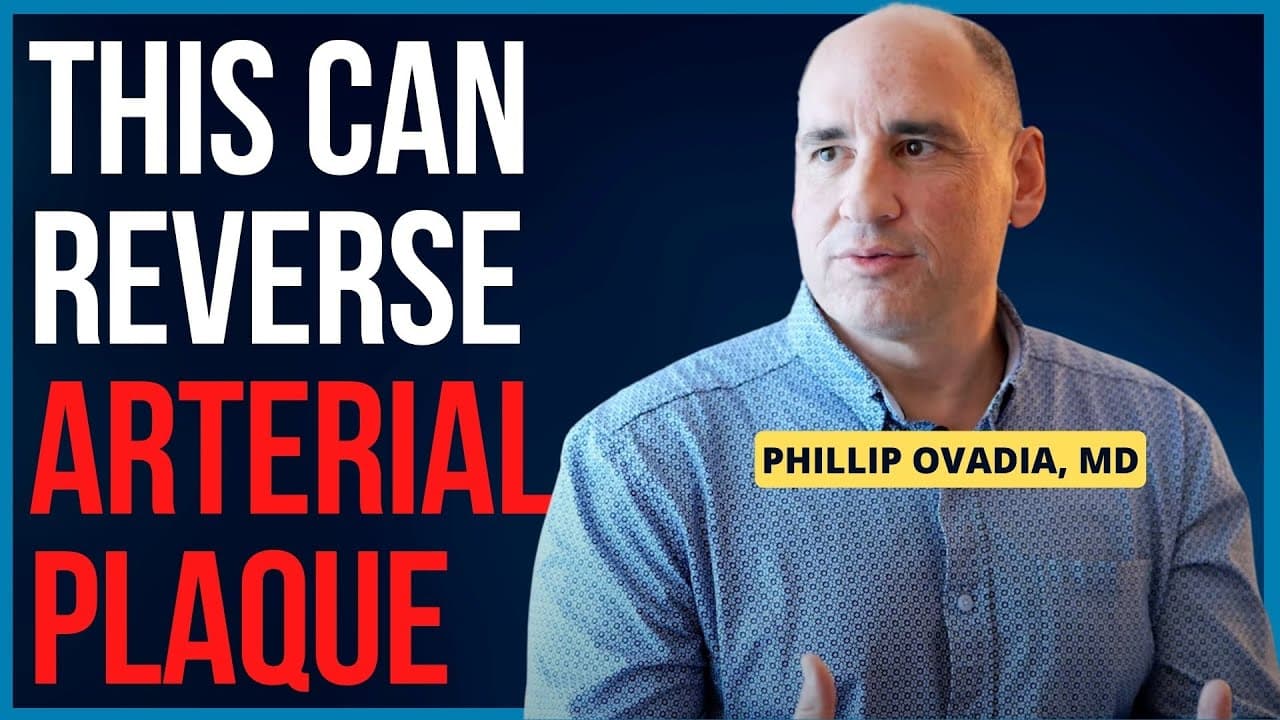
Heart disease is largely preventable by addressing metabolic health and lifestyle factors. Up to 90% of heart disease cases are linked to poor lifestyle choices rather than genetics. Reducing processed foods, high carbohydrates, and improving insulin sensitivity can significantly reduce heart disease risk. Regular screening through coronary artery calcium scans can help monitor heart health effectively.
Transcript
is there anything that we can do to reverse atherosclerosis particularly of the coronary arteries yeah so reversal of atherosclerosis is a fairly controversial topic I'll say and a lot of it comes down to how are you measuring the AOS sclerosis so we can look at something like a coronary artery calcium scan which I think is the best screening test ... Read More
Key Insights
- Heart disease is preventable in up to 90% of cases with lifestyle changes.
- Insulin resistance is a primary driver of heart disease and is largely reversible.
- Processed foods and high carbohydrates are major contributors to metabolic disease.
- Exercise supports heart health by maintaining muscle mass and improving metabolic function.
- Reversal of atherosclerosis is possible, particularly in non-calcified plaques.
- High LDL cholesterol is not always dangerous if metabolic health is optimal.
- Statins may increase the risk of insulin resistance and type 2 diabetes over long-term use.
- Bioidentical hormones can help manage menopause symptoms without increasing heart disease risk.
Install to Summarize YouTube Videos and Get Transcripts
Explore YouTube Video Summarizer or Get YouTube Transcript Extractor
Questions & Answers
Q: How can heart disease be prevented through lifestyle changes?
Heart disease can be prevented by addressing metabolic health through lifestyle changes such as reducing intake of processed foods and carbohydrates, improving insulin sensitivity, and engaging in regular exercise. These steps help reduce the risk factors associated with heart disease, such as insulin resistance, which is a primary driver of the condition.
Q: What role does insulin resistance play in heart disease?
Insulin resistance is a major contributor to heart disease as it damages blood vessels and leads to metabolic dysfunction. It is often associated with high carbohydrate intake and processed foods. Reversing insulin resistance through dietary changes and exercise can significantly lower heart disease risk.
Q: Are high LDL cholesterol levels always dangerous?
High LDL cholesterol levels are not necessarily dangerous if the individual is metabolically healthy. The quality and size of LDL particles, along with overall metabolic health, are more critical factors. Regular monitoring and advanced lipid testing can provide a clearer picture of heart disease risk.
Q: How effective are statins in preventing heart disease?
Statins can lower LDL cholesterol but may increase the risk of insulin resistance and type 2 diabetes over long-term use. Their absolute risk reduction in heart disease is relatively small, and they should be considered alongside lifestyle changes that address the root causes of heart disease, such as insulin resistance.
Q: What is the significance of coronary artery calcium scans?
Coronary artery calcium scans are important for early detection and monitoring of heart disease risk. They provide a non-invasive way to measure calcified plaque in the arteries, helping to assess the progression of atherosclerosis and guide preventive measures.
Q: Can atherosclerosis be reversed?
Atherosclerosis can be reversed, particularly non-calcified plaques, through lifestyle changes that improve metabolic health. While reversal of calcified plaques is more controversial, stopping their progression is crucial and achievable through diet and exercise.
Q: What dietary changes can improve heart health?
Improving heart health involves reducing processed foods, high carbohydrates, and increasing whole, real food intake. Lowering omega-6 fatty acids and increasing omega-3 intake can also improve lipid profiles and reduce inflammation, further supporting heart health.
Q: How do bioidentical hormones affect heart disease risk?
Bioidentical hormones can help manage menopause symptoms without increasing heart disease risk. Unlike synthetic hormones, bioidentical hormones are better tolerated and may even provide cardiovascular benefits, although they should primarily be used to alleviate menopause-related symptoms.
Summary & Key Takeaways
-
Heart disease is mostly preventable through lifestyle changes, including diet and exercise. Addressing insulin resistance by reducing processed foods and carbohydrates can significantly lower heart disease risk. Regular coronary artery calcium scans are recommended for monitoring heart health.
-
Exercise indirectly helps prevent atherosclerosis by maintaining muscle mass, which supports metabolic health. Tests like coronary artery calcium scans and CT angiograms are crucial for early detection and management of heart disease risk.
-
High LDL cholesterol levels are not inherently dangerous if overall metabolic health is maintained. Statins, while commonly prescribed, may increase the risk of developing insulin resistance and type 2 diabetes over time.
Read in Other Languages (beta)
Share This Summary 📚
Summarize YouTube Videos and Get Video Transcripts with 1-Click
Try YouTube Summary with ChatGPT & Claude or YouTube Transcript Generator
Explore More Summaries from High Intensity Health 📚





Summarize YouTube Videos and Get Video Transcripts with 1-Click
Try YouTube Summary with ChatGPT & Claude or YouTube Transcript Generator