How to Prevent Tartar Buildup Naturally
TL;DR
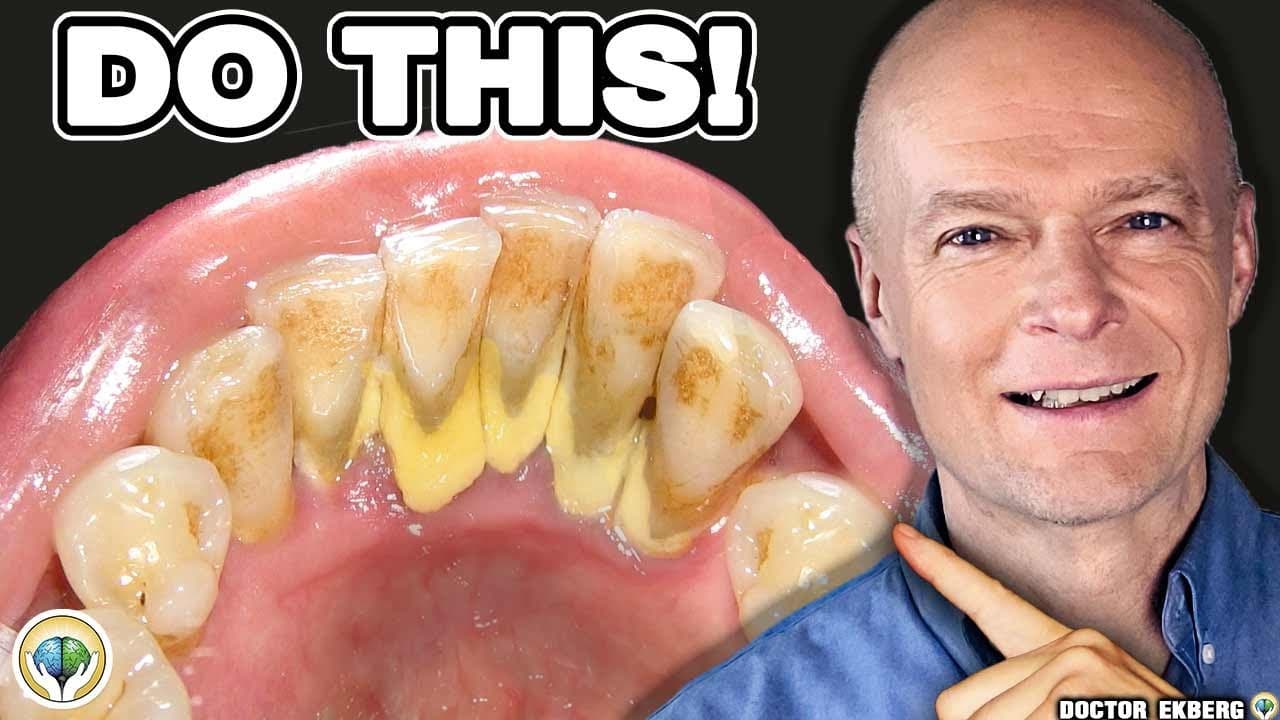
Tartar buildup can be prevented by addressing plaque before it hardens. Key strategies include maintaining an alkaline pH in the mouth, reducing sugar intake, and using natural remedies like xylitol and NAC. Regular brushing, flossing, and hydration are essential to disrupt bacterial biofilms and prevent mineralization into tartar.
Transcript
You brush, you floss, maybe even use mouthwash, but every time you go to the dentist, there's still more tartar for them to scrape off. Sound familiar? The truth is, brushing harder or more often doesn't necessarily fix it. Tartar is just the end result of a deeper problem, a bacterial bofilm that's designed to resist your toothbrush. Hello, he... Read More
Key Insights
- Tartar is the mineralized form of plaque, a bacterial biofilm resistant to brushing.
- Plaque forms quickly after eating, fueled by sugar and carbohydrates, and can harden into tartar.
- Maintaining a slightly alkaline pH in the mouth inhibits bacteria and protects enamel.
- Dehydration can lead to a dry mouth, increasing acidity and promoting tartar formation.
- N-acetylcysteine (NAC) can disrupt bacterial biofilms, making plaque easier to remove.
- Xylitol inhibits bacterial growth and adhesion, and stimulates saliva production.
- Baking soda neutralizes acids and can be used sparingly as a mild abrasive.
- Hydrogen peroxide introduces oxygen, killing anaerobic bacteria responsible for tartar.
Install to Summarize YouTube Videos and Get Transcripts
Explore YouTube Video Summarizer or Get YouTube Transcript Extractor
Questions & Answers
Q: How can I prevent tartar buildup on my teeth?
Prevent tartar buildup by maintaining an alkaline pH in your mouth, reducing sugar and carbohydrate intake, and using natural remedies like xylitol and NAC to disrupt bacterial biofilms. Regular brushing, flossing, and staying hydrated are essential, as they help remove plaque before it hardens into tartar.
Q: What role does pH play in oral health?
pH is crucial in oral health as it affects bacterial growth and enamel protection. A slightly alkaline pH inhibits harmful bacteria and prevents plaque from mineralizing into tartar. Consuming less sugar and using alkaline-promoting products like baking soda can help maintain a healthy oral pH balance.
Q: Why is dehydration bad for oral health?
Dehydration leads to a dry mouth, increasing acidity and allowing bacteria to thrive. Saliva is vital as it buffers acids, contains antibacterial proteins, and washes away debris. Without adequate saliva, plaque becomes stickier, speeding up tartar formation and compromising oral health.
Q: What is the benefit of using xylitol for teeth?
Xylitol is beneficial for teeth as it inhibits the growth and adhesion of bacteria like Streptococcus mutans. It also stimulates saliva production, which helps wash away debris and maintain an alkaline environment. Xylitol can be consumed in gum or mints for daily oral health support.
Q: How does NAC help prevent tartar?
N-acetylcysteine (NAC) helps prevent tartar by disrupting the biofilm that bacteria form, making plaque easier to remove. It breaks down bonds within the biofilm, loosening plaque and aiding in its removal during brushing. NAC is most effective when used as a lozenge or rinse.
Q: Can baking soda be used daily for oral care?
Baking soda should not be used daily for oral care due to its abrasiveness, which can erode enamel and irritate gums. It is effective for neutralizing acids and cleaning teeth but should be limited to two to three times a week to avoid altering the oral microbiome.
Q: What are the risks of overusing hydrogen peroxide in the mouth?
Overusing hydrogen peroxide can damage soft tissues in the mouth, alter the natural balance of oral bacteria, and cause tooth sensitivity. It should be used sparingly, no more than two to three times a week, and always diluted to prevent these adverse effects while maintaining oral health.
Q: How can essential oils be used for oral hygiene?
Essential oils like neem, clove, and tea tree oil can be used for oral hygiene due to their antibacterial properties. They should be diluted in a carrier oil, such as coconut oil, to prevent irritation. These oils can be used in oil pulling routines two to three times a week for optimal benefits.
Summary & Key Takeaways
-
Tartar forms when plaque, a bacterial biofilm, mineralizes due to calcium and phosphorus in saliva. Preventing tartar involves maintaining an alkaline pH and reducing sugar intake to inhibit bacterial growth. Natural remedies like xylitol and NAC can disrupt biofilms, making plaque easier to remove.
-
Regular brushing and flossing are crucial in preventing tartar buildup. Additional strategies include using xylitol gum or mints, baking soda rinses, and hydrogen peroxide to neutralize acids and kill bacteria. These methods, combined with reduced sugar consumption, can prevent plaque from hardening into tartar.
-
Dehydration can increase oral acidity, promoting tartar formation. To combat this, staying hydrated and using natural antibacterial agents like essential oils can help maintain oral health. Regular dental cleanings and preventive practices can significantly reduce the need for professional tartar removal.
Read in Other Languages (beta)
Share This Summary 📚
Summarize YouTube Videos and Get Video Transcripts with 1-Click
Try YouTube Summary with ChatGPT & Claude or YouTube Transcript Generator
Explore More Summaries from Dr. Sten Ekberg 📚






Summarize YouTube Videos and Get Video Transcripts with 1-Click
Try YouTube Summary with ChatGPT & Claude or YouTube Transcript Generator