Did Trump Commit Tax Fraud?
TL;DR
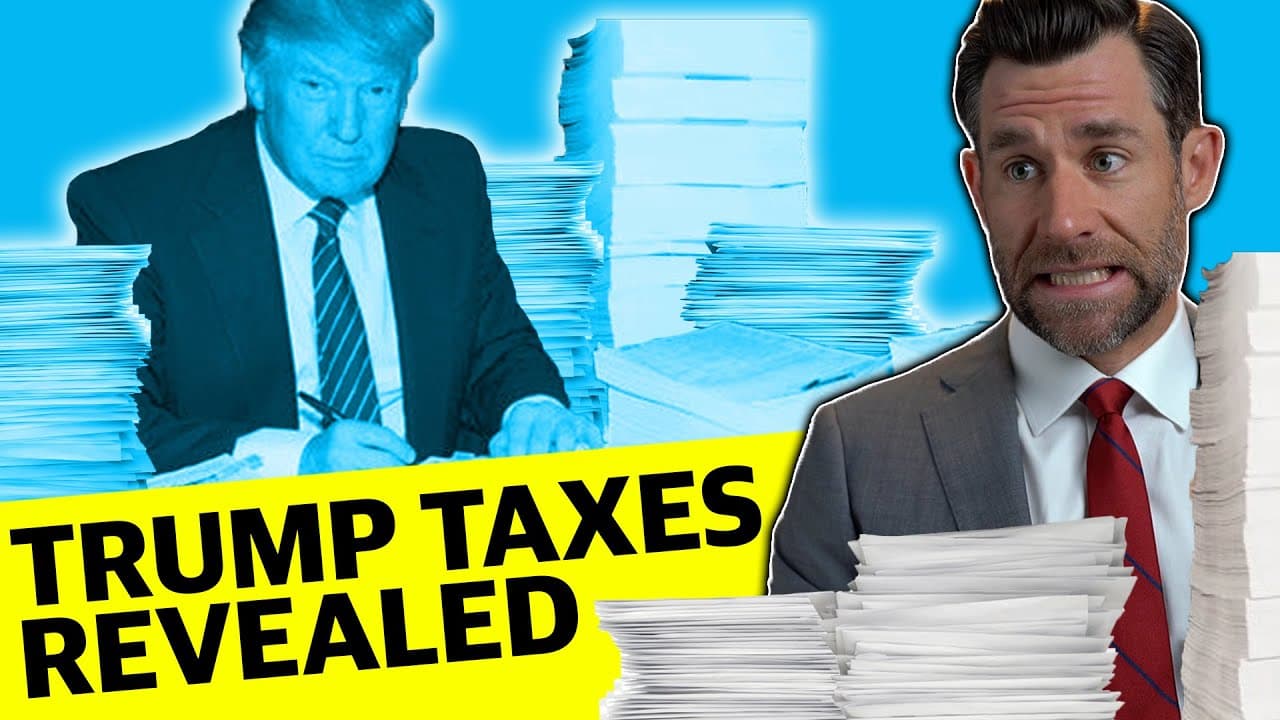
Donald Trump's tax records reveal he paid zero federal income taxes for 10 of the last 15 years. He exploited legal loopholes and potentially engaged in tax evasion by inflating deductions and understating income. However, proving tax fraud requires evidence of willful intent, which can be challenging. The situation raises concerns about his financial liabilities and potential conflicts of interest.
Transcript
- This episode of LegalEagle was made possible by Skillshare. Learn to think like a lawyer for free for two months by clicking on the link in the description. Well, it finally happened Donald Trump's taxes have been released, or more specifically, they've been leaked. And the information contained inside helps paint a picture of why the President w... Read More
Key Insights
- Donald Trump paid zero federal income taxes for 10 of the last 15 years, raising questions about his tax practices.
- He deducted personal expenses, such as $70,000 for hairstyling, as business expenses, which is questionable.
- Ivanka Trump received consulting fees from the Trump Organization while being an employee, suggesting potential fraud.
- The Trump Organization's businesses often operate at a loss on paper, minimizing tax liability.
- Proving tax fraud requires demonstrating willful intent, which is difficult due to the complexity of tax laws.
- Trump's tax refund of over $70 million is under audit, potentially owing over $100 million if found improper.
- Legal tax avoidance differs from tax evasion; Trump may have exploited loopholes but also engaged in questionable practices.
- Trump's financial liabilities, including $421 million in loans, pose potential national security risks.
Install to Summarize YouTube Videos and Get Transcripts
Explore YouTube Video Summarizer or Get YouTube Transcript Extractor
Questions & Answers
Q: How much did Donald Trump pay in federal income taxes?
Donald Trump paid zero federal income taxes for 10 of the last 15 years. In 2016 and 2017, he paid only $750 each year. This has raised significant questions about his tax practices and whether he engaged in legal tax avoidance or potentially illegal tax evasion.
Q: What are the key allegations against Trump's tax practices?
Key allegations against Trump's tax practices include inflating deductions, understating income, and classifying personal expenses as business expenses. These practices potentially amount to tax evasion, although proving such requires evidence of willful intent, which is challenging due to the complexity of tax laws.
Q: What is the significance of Trump's $70 million tax refund?
Trump's $70 million tax refund is significant because it is currently under audit and could result in him owing over $100 million if found improper. The refund is tied to reported business losses, but questions remain about the legitimacy of these losses. This situation could lead to financial difficulties for Trump if he is required to repay the refund.
Q: How does Trump's tax situation pose a national security risk?
Trump's tax situation poses a national security risk due to his $421 million in outstanding loans, some of which may be owed to foreign entities. This financial liability could make him susceptible to leverage or influence by creditors, raising concerns about potential conflicts of interest and vulnerabilities in decision-making as President.
Q: What is the difference between tax avoidance and tax evasion?
Tax avoidance is the legal practice of minimizing tax liability by using methods allowed by the tax code, such as deductions and credits. Tax evasion, on the other hand, is illegal and involves deliberately underreporting income or inflating deductions to reduce tax liability. Trump's practices are under scrutiny to determine if they crossed the line into evasion.
Q: Why are Trump's consulting fees to Ivanka Trump controversial?
Consulting fees paid to Ivanka Trump are controversial because she was already an employee of the Trump Organization, raising questions about the legitimacy of these payments. Such arrangements can be seen as attempts to disguise income or avoid payroll taxes, potentially constituting tax fraud if they are not legitimate business expenses.
Q: What role does willfulness play in proving tax fraud?
Willfulness is a key element in proving tax fraud, requiring evidence that the taxpayer intentionally violated a known legal duty. This mental state can be challenging to prove, especially given the complexity of tax laws. A good faith misunderstanding of the law may negate willfulness, making it difficult to secure a conviction for tax fraud.
Q: How do Trump's business losses impact his tax liability?
Trump's business losses significantly impact his tax liability by allowing him to offset taxable income with reported losses, thereby reducing or eliminating his tax burden. While some losses may be legitimate, others are questioned for potential inflation or misclassification. These practices highlight the fine line between legal tax avoidance and illegal tax evasion.
Summary & Key Takeaways
-
Donald Trump's tax records reveal that he paid zero federal income taxes for 10 of the last 15 years. He utilized legal loopholes and potentially engaged in tax evasion by inflating deductions and understating income. However, proving tax fraud requires evidence of willful intent, which can be challenging due to the complexity of tax laws.
-
The New York Times investigation uncovered Trump's tax refund of over $70 million, which is currently under audit. If found improper, he could owe over $100 million, which might lead to financial difficulties. The situation raises concerns about his financial liabilities and potential conflicts of interest.
-
Trump's tax practices include questionable deductions, such as personal expenses listed as business expenses and consulting fees paid to family members. While some of these practices may be legal, they raise ethical concerns and highlight potential vulnerabilities in the tax code.
Read in Other Languages (beta)
Share This Summary 📚
Summarize YouTube Videos and Get Video Transcripts with 1-Click
Try YouTube Summary with ChatGPT & Claude or YouTube Transcript Generator
Explore More Summaries from LegalEagle 📚






Summarize YouTube Videos and Get Video Transcripts with 1-Click
Try YouTube Summary with ChatGPT & Claude or YouTube Transcript Generator