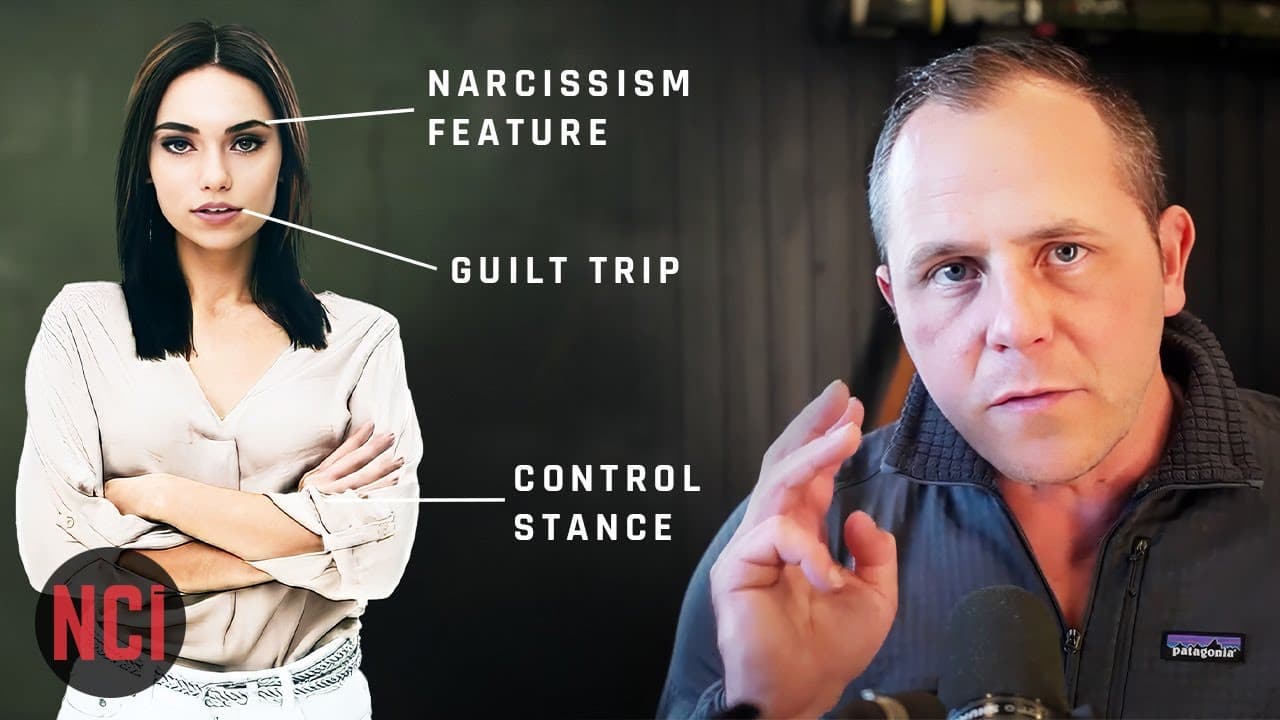
Behavior Expert Reveals Exactly What To Say To A Narcissist
TL;DR
Learn to counter manipulative tactics with calm reflection.
Transcript
Read and summarize the transcript of this video on Glasp Reader (beta).
Key Insights
- Manipulators often use fear, obligation, and guilt (FOG) to control others. Recognizing these tactics helps in countering them effectively.
- Understanding the manipulator's core intentions, such as seeking control, approval, validation, or attention (CAVA), is crucial in addressing their behavior.
- Respond to the manipulator's underlying needs without validating their manipulative methods to maintain control over the situation.
- Practicing silent reflection before responding to manipulation helps in maintaining composure and evaluating the situation logically.
- Calmly labeling manipulative behavior can disrupt the manipulator's tactics by bringing them into the open without escalating the situation.
- Using positive reinforcement to set boundaries can subtly point out manipulative overreach without direct confrontation.
- Reframing manipulative statements as requests shifts the power dynamic and highlights indirect tactics.
- Maintaining emotional neutrality undermines manipulative tactics by making them appear exaggerated and inappropriate.
Install to Summarize YouTube Videos and Get Transcripts
Explore YouTube Video Summarizer or Get YouTube Transcript Extractor
Questions & Answers
Q: What is the FOG acronym mentioned in the video?
FOG stands for Fear, Obligation, and Guilt. These are common tactics used by manipulators to control others. By recognizing these methods, individuals can better understand and counter manipulative behavior, preventing emotional manipulation and maintaining control over their responses.
Q: How can one effectively mirror a manipulator's intentions?
Mirroring a manipulator's intentions involves reflecting back their underlying motives rather than their actions. By identifying whether they seek control, approval, validation, or attention, one can address their needs directly without validating their manipulative behavior, thus maintaining control and autonomy.
Q: Why is silent reflection important when dealing with manipulators?
Silent reflection provides a pause that helps individuals evaluate the situation logically rather than emotionally. This break in momentum prevents knee-jerk reactions, allowing for a more measured response. It also disarms the manipulator, who relies on rapid emotional exchanges to control the interaction.
Q: How does labeling manipulative behavior help in dealing with manipulators?
Calmly labeling manipulative behavior brings it into the open without escalating the situation. This disrupts the manipulator's tactics by making their hidden behavior explicit, forcing them to confront their actions and reconsider their approach, as most manipulators rely on subtlety to maintain control.
Q: What role does positive reinforcement play in setting boundaries?
Using positive reinforcement to set boundaries involves expressing preferences in a way that subtly points out manipulative overreach without direct confrontation. This approach maintains respect and prevents manipulators from using one's reactions against them, thus maintaining control over the interaction.
Q: How can reframing manipulative statements as requests change the dynamic?
Reframing manipulative statements as requests shifts the power dynamic by highlighting the manipulator's indirect tactics. This approach forces the manipulator to recognize their behavior and adjust, as it brings their hidden motives into the open, making it harder for them to continue their manipulation.
Q: Why is maintaining emotional neutrality important when dealing with manipulators?
Emotional neutrality undermines manipulative tactics by making them appear exaggerated and inappropriate. By staying calm and neutral, individuals can prevent manipulators from escalating emotions, which is often their goal to gain control over the interaction and manipulate the outcome.
Q: What is the significance of the CAVA acronym in understanding manipulators?
CAVA stands for Control, Approval, Validation, and Attention. Understanding these core intentions allows individuals to address the underlying needs of manipulators without validating their methods. This approach helps maintain autonomy and prevent being coerced into actions that align with the manipulator's agenda.
Summary & Key Takeaways
-
The video discusses strategies to counter manipulative tactics used by narcissists, focusing on maintaining composure and identifying underlying intentions. By recognizing tactics like fear, obligation, and guilt, individuals can effectively address manipulative behaviors.
-
Key strategies include silent reflection, labeling behavior calmly, and reframing manipulative statements. These techniques help in maintaining control and preventing emotional escalation in interactions with manipulators.
-
By understanding the manipulator's core intentions, such as seeking control or validation, individuals can respond to their needs without validating manipulative methods, thus maintaining autonomy and diffusing potential conflicts.
Read in Other Languages (beta)
Share This Summary 📚
Summarize YouTube Videos and Get Video Transcripts with 1-Click
Try YouTube Summary with ChatGPT & Claude or YouTube Transcript Generator
Explore More Summaries from Chase Hughes 📚






Summarize YouTube Videos and Get Video Transcripts with 1-Click
Try YouTube Summary with ChatGPT & Claude or YouTube Transcript Generator