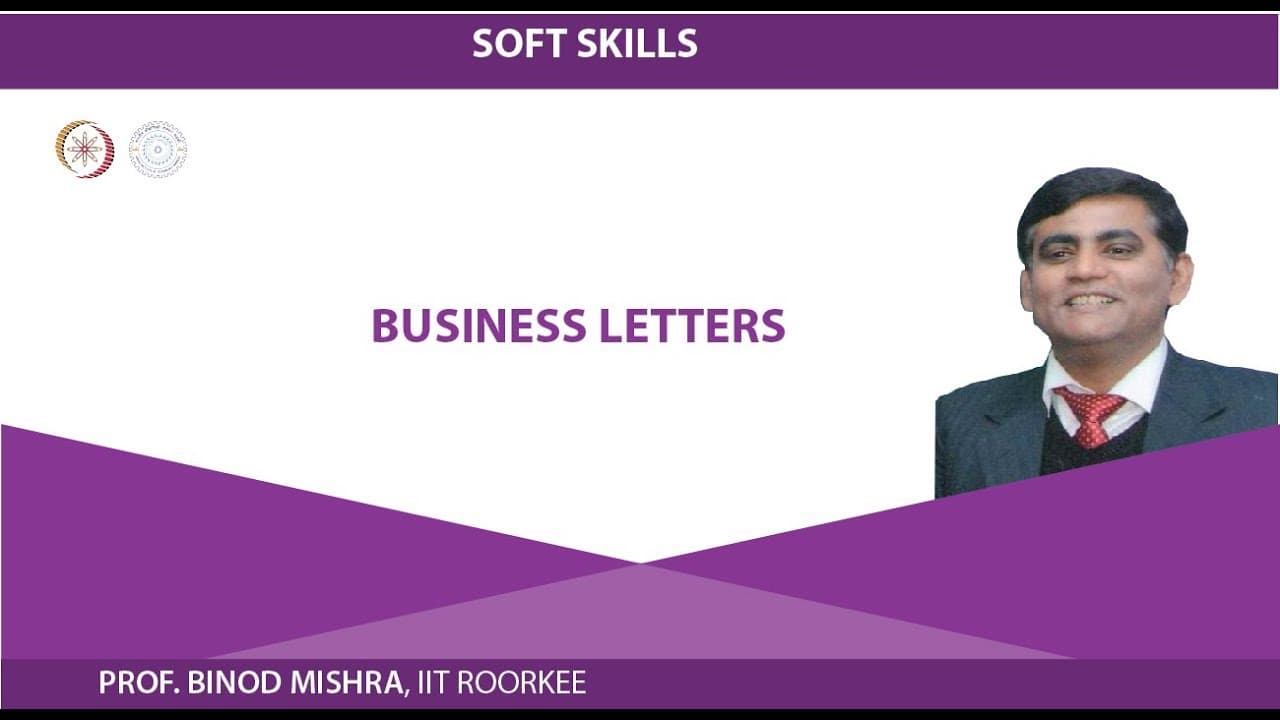
Business Letters
TL;DR
Business letters are crucial for formal communication in organizations.
Transcript
Read and summarize the transcript of this video on Glasp Reader (beta).
Key Insights
- Business letters remain essential in formal communication despite technological advancements, serving as written documentation between organizations and individuals.
- The tone and content of business letters differ significantly from personal letters, emphasizing formality, clarity, and brevity.
- Business letters serve various functions, such as renewing rapport, speeding up business processes, and keeping records for future references.
- The structure of a business letter includes essential elements like letterhead, date, reference, inside address, subject line, salutation, body, complimentary close, signature line, and enclosures.
- The letterhead varies by organization, containing details like location, telephone, fax number, and website information, aiding in communication.
- The body of a business letter should be concise and divided into three parts: introduction, discussion, and closing, with a focus on the subject matter.
- The language used in business letters should be simple and devoid of difficult words, ensuring both parties understand the letter's purpose.
- Business letters help build goodwill and relationships between organizations, emphasizing politeness and cordiality in communication.
Install to Summarize YouTube Videos and Get Transcripts
Explore YouTube Video Summarizer or Get YouTube Transcript Extractor
Questions & Answers
Q: What are the main differences between business letters and personal letters?
Business letters differ from personal letters in tone, content, and approach. They are formal, concise, and focused on business matters, avoiding personal topics. The tone is neutral and polite, ensuring clarity and brevity, while personal letters allow for more emotional expression and informal language.
Q: Why are business letters still important in the age of technology?
Business letters remain important because they provide a formal and documented means of communication between organizations. They help maintain records, build relationships, and facilitate business processes. Even with digital communication, the formal nature and documentation aspect of business letters are irreplaceable.
Q: What is the significance of the letterhead in a business letter?
The letterhead in a business letter represents the organization and contains essential details like location, telephone, fax number, and website information. It aids in communication by providing contact details and serves as a formal introduction to the organization, ensuring the letter's authenticity and professionalism.
Q: How should the body of a business letter be structured?
The body of a business letter should be concise and divided into three parts: introduction, discussion, and closing. The introduction states the purpose, the discussion elaborates on the subject, and the closing summarizes and states the desired outcome or action. Clarity and brevity are crucial throughout the letter.
Q: What role do enclosures play in a business letter?
Enclosures in a business letter provide additional documents or evidence supporting the letter's content. They ensure the recipient has all necessary information to understand and respond to the letter's subject. Enclosures are listed at the end of the letter, indicating the number and type of documents included.
Q: How does the tone of a business letter impact its effectiveness?
The tone of a business letter impacts its effectiveness by influencing how the message is received. A neutral, polite, and respectful tone ensures clarity and prevents misunderstandings. It helps maintain a positive relationship between organizations, facilitating cooperation and goodwill, which are vital for successful business interactions.
Q: Why is politeness important in business letter writing?
Politeness in business letter writing is important because it reflects the organization's professionalism and respect for the recipient. It helps build and maintain positive relationships, essential for successful business interactions. Politeness ensures the message is well-received, preventing negative impressions or misunderstandings that could hinder business dealings.
Q: What are the essential components of a business letter?
Essential components of a business letter include the letterhead, date, reference, inside address, subject line, salutation, body, complimentary close, signature line, and enclosures. Each component serves a specific function, ensuring the letter is professional, clear, and effective in communicating the intended message.
Summary & Key Takeaways
-
Business letters are a formal means of communication between organizations, essential for maintaining records and speeding up business processes. They differ from personal letters in tone, content, and approach, emphasizing clarity and brevity.
-
The structure of a business letter includes elements such as a letterhead, date, reference, inside address, subject line, salutation, body, complimentary close, signature line, and enclosures. Each element serves a specific purpose in ensuring effective communication.
-
Despite the rise of digital communication, business letters remain vital for formal exchanges, helping build relationships and goodwill between organizations. The language used should be simple, polite, and devoid of complex words, ensuring clarity and understanding.
Read in Other Languages (beta)
Share This Summary 📚
Summarize YouTube Videos and Get Video Transcripts with 1-Click
Try YouTube Summary with ChatGPT & Claude or YouTube Transcript Generator
Explore More Summaries from Soft Skills 📚




Summarize YouTube Videos and Get Video Transcripts with 1-Click
Try YouTube Summary with ChatGPT & Claude or YouTube Transcript Generator