What Are Google Webmaster Office Hours and Common SEO Questions?
TL;DR
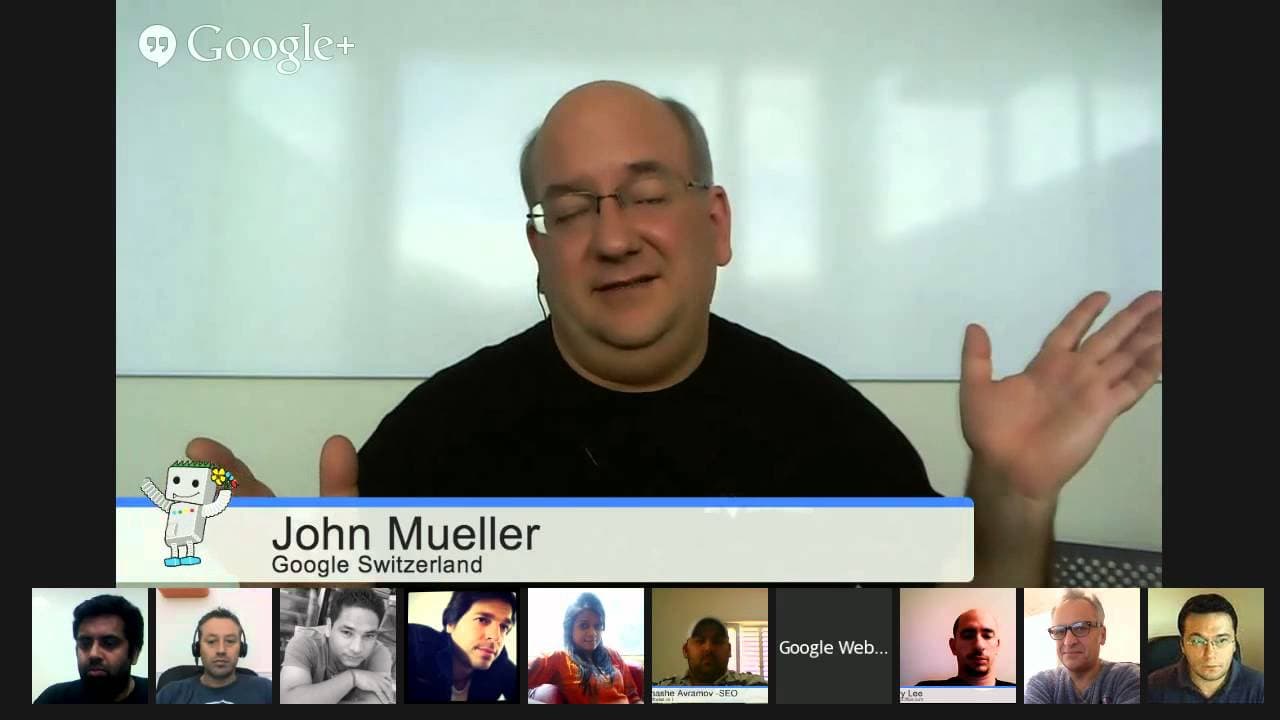
Google Webmaster Office Hours is a session where John Mueller answers webmaster questions about SEO, crawling, and indexing. He highlights key topics such as the differences between 404 and 410 HTTP status codes, the importance of canonical tags for proper indexing, and the significance of creating unique content to avoid penalties from algorithms.
Transcript
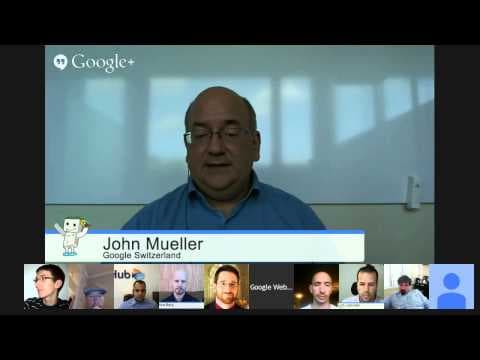
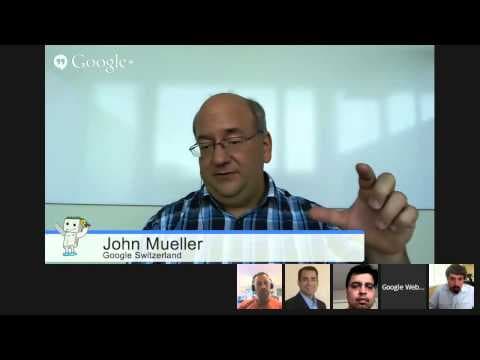
JOHN MUELLER: OK. Welcome, everyone, to today's Google Webmaster Central Office Hours Hangout. My name is John Mueller. I am a webmaster trends analyst at Google in Switzerland. So I worked together with engineers, and together with webmasters, like you guys, to help make sure that communications flows in both ways. Looks like we have a bunch of pe... Read More
Key Insights
- John Mueller explains the difference between 404 and 410 status codes, noting that while both indicate a page is not found, a 410 suggests a permanent removal and may result in less frequent crawling.
- Google does not support the crawl-delay directive in robots.txt, but webmasters can set crawl rates in Google Search Console or provide feedback to the Googlebot team.
- Canonical tags help Google understand the preferred version of a page, but internal linking should also be consistent to ensure proper indexing.
- Rich snippets may not appear if there are policy violations, technical errors, or if the site quality is deemed low by Google's algorithms.
- Using rel=canonical can help Google index the desktop version of a site when a mobile version has less content, ensuring the best content is used for ranking.
- Duplicate content and pagination issues can affect how Google indexes pages, but rel=next/prev tags can help Google understand page relationships.
- Webmasters should focus on creating unique, high-quality content rather than rehashing existing content, as Google's algorithms favor original content.
- Google's algorithms consider the overall quality of a site, so improvements should focus on unique content, natural backlinks, and user engagement.
Install to Summarize YouTube Videos and Get Transcripts
Explore YouTube Video Summarizer or Get YouTube Transcript Extractor
Questions & Answers
Q: What happens if I replace a 404 with a 410?
Replacing a 404 with a 410 may cause Google to crawl the page less frequently, as a 410 indicates permanent removal. However, if there are many URLs, even less frequent crawling can add up. Consider using robots.txt to block crawling if it's a significant issue.
Q: How can I delay Google's crawl rate?
Google does not support the crawl-delay directive in robots.txt. Instead, webmasters can set maximum crawl rates in Google Search Console. If unavailable, use the 'Report a Problem with Google Platform' to provide feedback on crawling preferences.
Q: Why is Google indexing URLs with query parameters despite canonical tags?
Google must index a URL to see its content and canonical tag. Ensure internal linking points directly to canonical URLs to minimize indexing of non-canonical versions. Canonical tags help consolidate indexing but don't prevent initial indexing of parameterized URLs.
Q: What should I do with store pages without coupons?
Treat such pages as empty search results. Use a noindex tag to prevent indexing while allowing user access. This ensures only valuable content appears in search results, maintaining a positive user experience.
Q: How does Google handle rich snippets for low-quality sites?
Rich snippets may not appear if a site has technical errors, policy violations, or low-quality content. Google evaluates overall site quality, and issues can affect snippets. Ensure compliance with guidelines and focus on high-quality, unique content.
Q: Can I have two Google Analytics tracking codes on a page?
While it's technically possible to have two Google Analytics tracking codes on a page, it may cause tracking issues. Consult Google Analytics support or forums for best practices and potential impacts on data accuracy.
Q: How does Google handle links from scraped content?
Google tries to recognize and ignore links from scraped content. If concerned, use a disavow file to exclude low-quality domains. Google's algorithms consider the overall link profile, so isolated incidents are unlikely to impact rankings significantly.
Q: Does keyword position in URLs affect ranking?
Keywords in URLs have a minor impact on ranking. Google emphasizes content relevance and quality over URL structure. Breadcrumbs in search results often replace URL display, reducing the importance of keyword placement in URLs.
Summary & Key Takeaways
-
John Mueller addresses various webmaster questions related to crawling, indexing, and SEO practices. He explains the differences between 404 and 410 status codes, noting that 410 indicates permanent removal. Google does not support crawl-delay in robots.txt but offers alternatives in Search Console.
-
Canonical tags are important for indicating preferred page versions, but consistent internal linking is crucial for proper indexing. Rich snippets may not appear due to policy violations, technical errors, or low site quality. Google's algorithms prioritize high-quality, unique content.
-
Webmasters should focus on creating original content rather than rehashing existing material. Google's algorithms assess overall site quality, so improvements should target unique content, natural backlinks, and user engagement. Pagination and duplicate content issues can affect indexing.
Read in Other Languages (beta)
Share This Summary 📚
Summarize YouTube Videos and Get Video Transcripts with 1-Click
Try YouTube Summary with ChatGPT & Claude or YouTube Transcript Generator
Explore More Summaries from Google Search Central 📚
Summarize YouTube Videos and Get Video Transcripts with 1-Click
Try YouTube Summary with ChatGPT & Claude or YouTube Transcript Generator