How Does Neuroscience Enhance Athletic Performance?
TL;DR
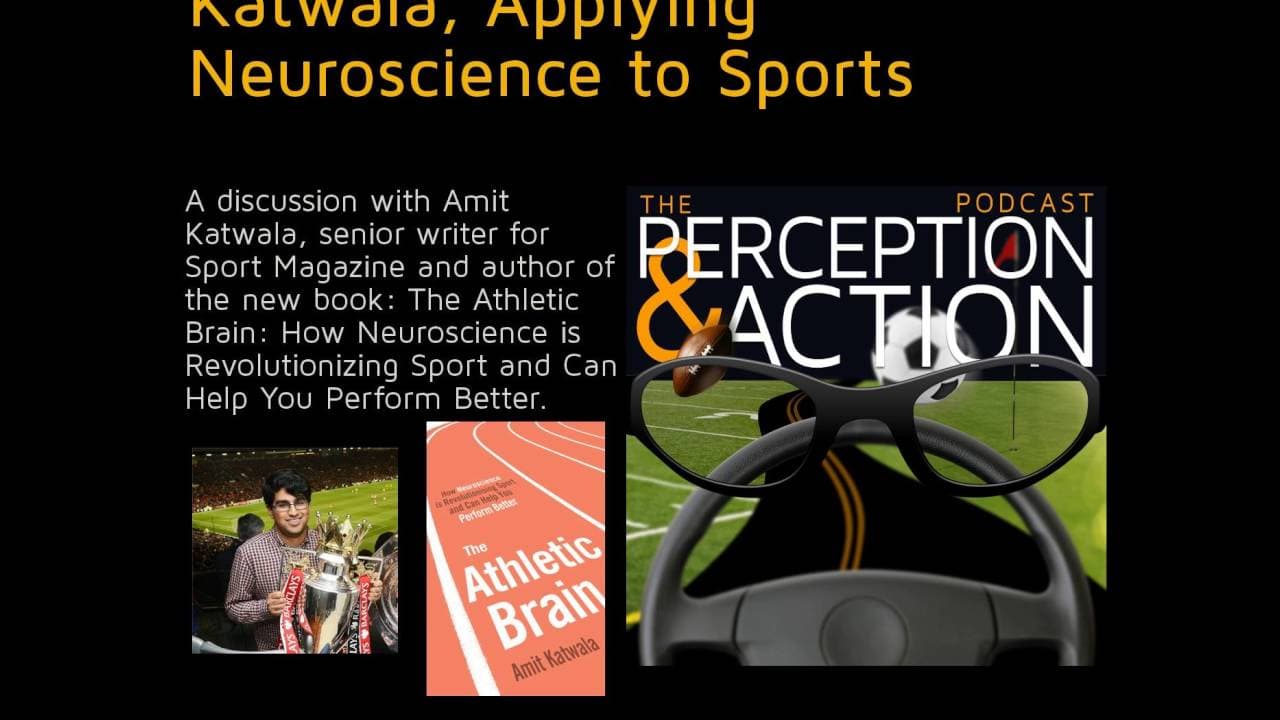
Neuroscience is transforming sports by revealing how elite athletes' brains differ from others, offering brain training techniques to enhance performance, and providing insights into endurance and concussion management. By understanding anticipation and decision-making, teams can train athletes more efficiently, leading to improved results. The application of these insights extends beyond sports, offering benefits in various aspects of life.
Transcript
this is rob gr from asu And perception action.com today on the perception and action podcast my interview with am catw senior writer for sport magazine and author of the new book the athletic brain How neuroscience is revolutionizing sport and can help you perform better Hi every Welcome to the perception action podcast Where I discuss How psycholo... Read More
Key Insights
- Elite athletes' brains show superior anticipation and decision-making abilities compared to amateurs.
- Brain training tools like Axon Sports' touchscreen exercises enhance anticipation skills in athletes.
- The T-Box, used by Hoffenheim, allows players to practice passes efficiently, simulating weeks of training in minutes.
- There is variability in the sports community's acceptance of neuroscience-based training methods.
- Research indicates that endurance is more about perceived effort than physical exertion.
- Brain stimulation techniques, like TMS and tDCS, could enhance athletic performance but raise ethical concerns.
- Visualization, a mental technique used by athletes like Wayne Rooney, is an original form of brain training.
- Concussion management can be improved by detecting specific proteins in blood, indicating neuron damage severity.
Install to Summarize YouTube Videos and Get Transcripts
Explore YouTube Video Summarizer or Get YouTube Transcript Extractor
Questions & Answers
Q: How do elite athletes' brains differ from amateurs?
Elite athletes' brains exhibit superior anticipation and decision-making capabilities. They can pick up on advanced cues and make high-speed decisions under pressure, setting them apart from amateurs. This distinction results from extensive practice and training, which enhances neural pathways associated with these skills.
Q: What brain training tools are used in sports?
Sports teams utilize various brain training tools to enhance performance. Axon Sports offers touchscreen exercises to improve anticipation skills, while Hoffenheim uses the T-Box, a device that simulates extensive training sessions in a short time. These tools help athletes practice efficiently, reinforcing neural pathways critical for performance.
Q: How does perceived effort affect endurance?
Endurance is influenced more by perceived effort than actual physical exertion. The brain regulates endurance based on its perception of effort expended. Techniques like caffeine consumption or manipulating environmental factors can alter this perception, enabling athletes to enhance endurance by tricking the brain into believing it's exerting less effort.
Q: What is the role of visualization in sports?
Visualization is a mental technique used by athletes to enhance performance. By mentally rehearsing actions, such as scoring goals or executing movements, athletes like Wayne Rooney prepare their minds for real-life scenarios. This practice strengthens neural connections associated with the visualized actions, improving execution during actual performance.
Q: How can concussions be better diagnosed in sports?
Concussions can be better diagnosed by detecting specific proteins released during neuron damage. A blood test measuring these proteins provides an accurate assessment of concussion severity, aiding in determining when an athlete is ready to return to play. This approach reduces the risk of exacerbating injuries by ensuring adequate recovery time.
Q: What are the ethical concerns of brain stimulation in sports?
Brain stimulation techniques, like TMS and tDCS, offer potential performance enhancements but raise ethical concerns. These methods involve altering brain function to improve endurance or cognitive abilities, akin to doping. The sports community debates their fairness and long-term effects, considering whether they should be regulated alongside substances like steroids.
Q: How is neuroscience applied in everyday life beyond sports?
Neuroscience principles used in sports can enhance everyday life performance. Techniques for improving focus, decision-making, and endurance are applicable in various contexts. For instance, understanding how to manage perceived effort can aid in tasks requiring sustained attention, while visualization techniques can improve skill acquisition in non-sporting activities.
Q: What impact does brain training have on sports performance?
Brain training significantly impacts sports performance by enhancing cognitive skills crucial for athletic success. Techniques that improve anticipation, decision-making, and focus lead to better performance outcomes. As neuroscience research advances, these methods become more refined, offering athletes tools to optimize their mental and physical capabilities effectively.
Summary & Key Takeaways
-
Neuroscience is revolutionizing sports by understanding how elite athletes' brains function differently. Techniques like brain training and visualization help improve anticipation and decision-making, crucial for athletic success. Endurance can be enhanced by altering perceived effort, while concussion management benefits from protein detection in blood, indicating neuron damage severity.
-
Teams like Hoffenheim use innovative tools to simulate extensive training in shorter periods. While some sports embrace neuroscience, others remain skeptical, awaiting more research. Brain stimulation techniques may offer performance boosts but also pose ethical dilemmas.
-
The application of neuroscience in sports extends beyond the field, offering insights into enhancing everyday life performance. By understanding the brain's role in activities, individuals can apply similar strategies to improve focus, decision-making, and endurance in various contexts.
Read in Other Languages (beta)
Share This Summary 📚
Summarize YouTube Videos and Get Video Transcripts with 1-Click
Try YouTube Summary with ChatGPT & Claude or YouTube Transcript Generator
Explore More Summaries from Rob Gray 📚

Summarize YouTube Videos and Get Video Transcripts with 1-Click
Try YouTube Summary with ChatGPT & Claude or YouTube Transcript Generator