Bone Broths and Stocks: Everything You Need to Know
TL;DR
Making bone broths and stocks is easy and nutritious, despite the intimidation surrounding it. Different techniques and flavors can be used to create delicious and versatile broths.
Transcript
there's a ton of intimidation around the entire world of making stocks making bone broths and it really is a bummer because it keeps a lot of home cooks away from making them and I was definitely in that category not that long ago just avoiding them all together I didn't think I had the techniques and think I knew what I was doing but once you once... Read More
Key Insights
- ☠️ Intimidation and confusion around making bone broths and stocks often prevent home cooks from trying them.
- 🍖 Bone broths and stocks offer nutritional benefits beyond what can be obtained from meat alone, thanks to the collagen, minerals, and gelatin present in the bones.
- ☠️ Techniques like roasting bones or blanching them can enhance flavor and remove impurities.
- 👻 Adding various spices and aromatics can elevate the taste of broths and allow for versatility in dishes.
- ☠️ Building relationships with local farmers and butchers can help in sourcing bones for making broths.
- 👻 Cooking times and flavors can vary, allowing for customization and experimentation.
- ☠️ Bone broths and stocks can greatly enhance the taste and nutritional value of soups, stews, and other dishes.
Install to Summarize YouTube Videos and Get Transcripts
Explore YouTube Video Summarizer or Get YouTube Transcript Extractor
Questions & Answers
Q: What is the difference between stock and bone broth?
The terms "stock" and "bone broth" are often used interchangeably. They both involve simmering bones in water, but the cooking time and techniques may vary. Generally, bone broth is cooked for a longer period, extracting more flavor and nutrients from the bones.
Q: What are the health benefits of bone broths and stocks?
Bone broths and stocks contain collagen, which has multiple health benefits such as improving digestion, promoting healthy skin and hair, and supporting joint health. They also provide minerals like calcium from the bones and can be a source of gelatin, derived from collagen, which aids in various bodily functions.
Q: How can you source bones for making bone broths and stocks?
Local farmers' markets and butchers are good places to find bones for making broths. Building relationships with these vendors and expressing interest in obtaining bones can often lead to acquiring them, even if they are not readily available in supermarkets.
Q: Can different types of bones be mixed for making broths?
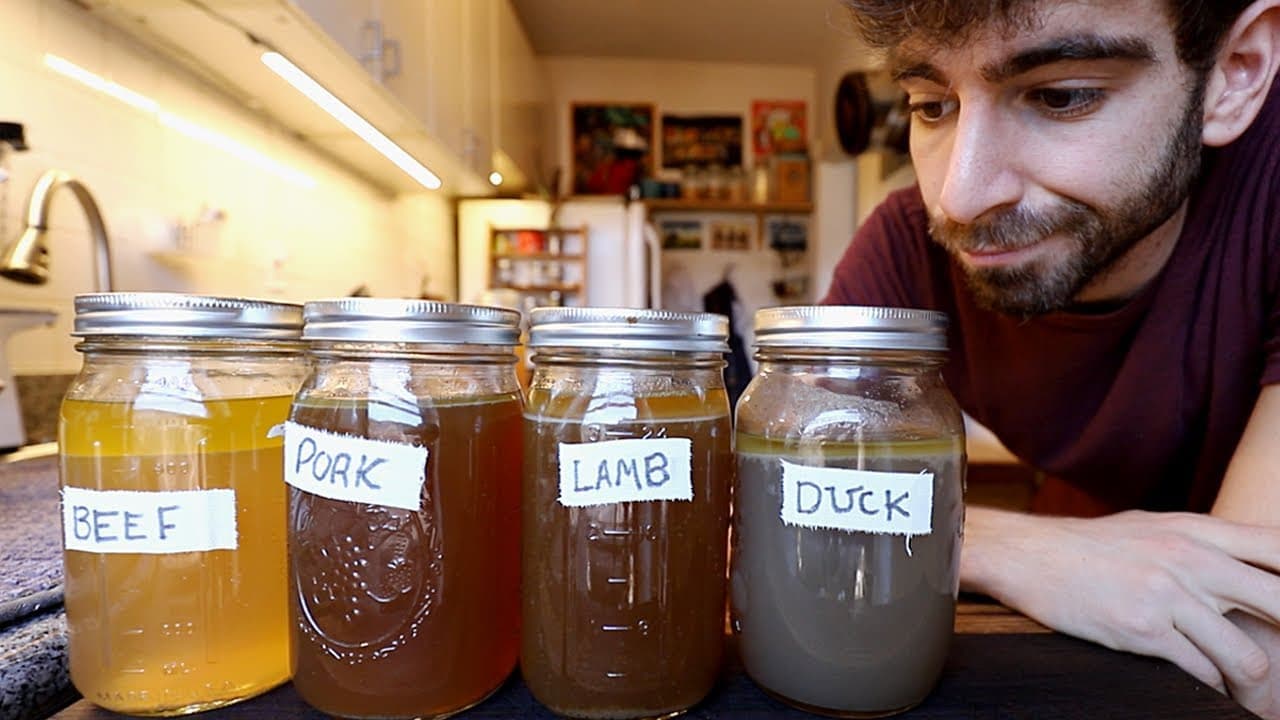
Yes, mixing different types of bones can result in a combination of flavors. For example, mixing pork bones with beef bones can balance out the richness of a beef broth. Feel free to experiment and create your own unique flavor profiles.
Summary & Key Takeaways
-
There is intimidation and confusion around making bone broths and stocks, which keeps many home cooks away from trying them.
-
The nutritional value and flavor of bone broths and stocks are gaining recognition, leading to a resurgence in their popularity.
-
Basic techniques, such as simmering bones in water, can result in delicious and nutrient-packed broths that can elevate various dishes.
Read in Other Languages (beta)
Share This Summary 📚
Summarize YouTube Videos and Get Video Transcripts with 1-Click
Try YouTube Summary with ChatGPT & Claude or YouTube Transcript Generator
Explore More Summaries from Pro Home Cooks 📚






Summarize YouTube Videos and Get Video Transcripts with 1-Click
Try YouTube Summary with ChatGPT & Claude or YouTube Transcript Generator