Why Should US Laws Support Diverse Family Structures?
TL;DR
US laws should expand beyond the nuclear family to recognize and support diverse family structures, as over half of U.S. adults do not fit this model. Embracing concepts like chosen family can provide necessary stability and support for children, allowing society to acknowledge the value in various family configurations and ensuring legal recognition and rights for all kinds of relationships.
Transcript
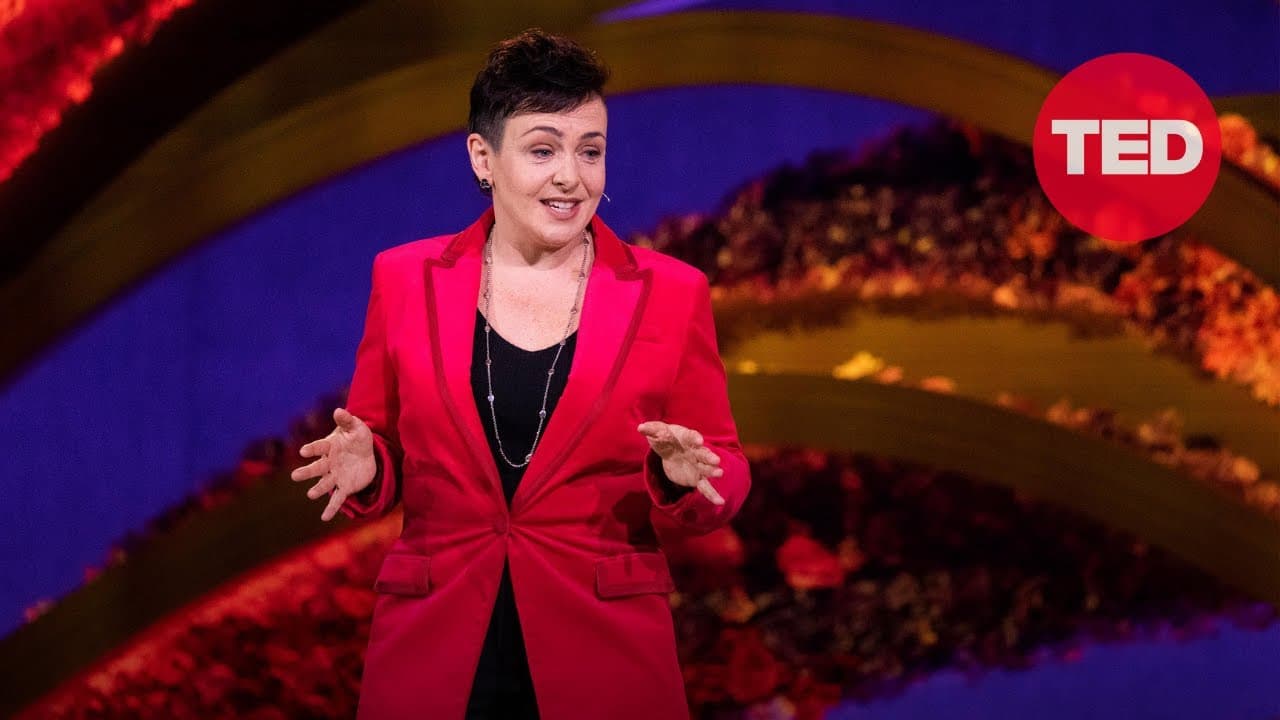
Growing up in a working-class town in upstate New York, I was taught to hope for a future with a husband and two kids. How about you? I saw women in my community marry as a path to economic security but often end up with discontent and even abuse instead. As I got older, I came to wonder and I ask you now: What is family? What do we want family to ... Read More
Key Insights
- 👦 The majority of US adults are not in a nuclear family with a spouse and kids, yet society treats this majority as social failures.
- 🏥 Marriage comes with over 1,000 rights and benefits under federal law, which disadvantages unmarried people and non-traditional family forms.
- 🌈 Family should be defined beyond romantic relationships, including platonic partners, co-parents, and chosen family regardless of biological or legal ties.
- 💑 The nuclear family model is not necessarily the best one for children's stability, as stability can be achieved in various family constellations.
- 💔 Many people, especially women, are stuck in unhealthy relationships due to the societal emphasis on the nuclear family and lack of support for other family forms.
- 💍 Legal agreements and discussions about intentions and commitments are crucial for non-traditional family forms, like co-parents and polyamorous relationships.
- 💑 Domestic partnerships, like those used by same-sex couples, can provide legal recognition and rights for various family configurations beyond romantic relationships.
- 🌎 In the future, there should be state and federal recognition for multi-partner domestic partnerships and laws protecting against discrimination based on family configuration.
Install to Summarize YouTube Videos and Get Transcripts
Explore YouTube Video Summarizer or Get YouTube Transcript Extractor
Questions & Answers
Q: Question 1: What is the current state of nuclear families in the US?
According to the video, only about half of US adults are married, and fewer people are getting married every year. Additionally, around 40% of US adults do not live with a romantic partner at all. Less than half of US children have two married heterosexual parents in their first marriage.
Question 2: How are unmarried people treated in society and under the law?
Answer: The video highlights that unmarried people, including those in non-romantic relationships or co-parenting situations, are often treated as social failures. Moreover, US laws provide over 1,000 rights and benefits to married couples, while unmarried individuals are denied these benefits.
Question 3: Why does the speaker argue that our laws should move away from the idea of an ideal family form?
Answer: The speaker believes that there is no evidence to support the notion that the nuclear family model is the best one. Research shows that children need stability, but that stability can come from various family structures, such as same-sex couples, polyamorous partnerships, or co-parenting arrangements. Therefore, laws should value and support all types of families.
Question 4: How does embracing chosen family redefine the concept of family?
Answer: The speaker defines family as people who are committed to be there for each other, regardless of biological or legal relationships. Chosen family can include individuals who provide meaningful support, even if they are not related by blood or marriage. This concept expands the definition of family beyond traditional bounds.
Question 5: How can legal agreements be used to create clarity in non-traditional family arrangements?
Answer: The video suggests that clear written agreements should be established in non-traditional family arrangements, especially when children are involved. These agreements can help prevent future disputes by clearly defining roles, responsibilities, and expectations. The speaker emphasizes the importance of open and honest discussions before creating legal contracts.
Question 6: What are some proposed changes to US laws to benefit all types of families?
Answer: The speaker proposes separating some of the legal perks of marriage, such as healthcare coverage and tax benefits, from the institution of marriage. This would allow single individuals, people in non-romantic relationships, or other types of families to access these benefits without an evaluation of their relationship status. Additionally, the speaker suggests expanding domestic partnerships to include multi-partner arrangements and passing family status nondiscrimination laws at local and federal levels.
Question 7: How does adopting an expansive view of family benefit personal relationships?
Answer: The video suggests that adopting an expansive view of family can strengthen personal relationships. By recognizing and valuing diverse family structures, individuals can create strong bonds with not only their romantic partners but also with friends, extended family members, and chosen family. This can provide additional support and fulfillment in various aspects of life.
Question 8: How can individuals contribute to redefining family in their own lives?
Answer: The speaker encourages individuals to actively participate in redefining family in their own lives and communities. This can involve reaching out to long-term friends, creating childcare cooperatives, spending more time with single parents or elderly individuals, and practicing reciprocity by caring for others within the community.
Summary & Key Takeaways
-
The nuclear family is no longer the majority in the US, yet unmarried individuals and non-traditional family structures are often treated as social failures and denied legal benefits.
-
The emphasis on the nuclear family has led to a lack of support for alternative family structures, leaving many people, especially women, stuck in unhealthy relationships.
-
The concept of chosen family, where individuals choose and create their own family relationships based on meaningful support, can provide stability and support for children and should be embraced and legally recognized.
Read in Other Languages (beta)
Share This Summary 📚
Summarize YouTube Videos and Get Video Transcripts with 1-Click
Try YouTube Summary with ChatGPT & Claude or YouTube Transcript Generator
Explore More Summaries from TED 📚





Summarize YouTube Videos and Get Video Transcripts with 1-Click
Try YouTube Summary with ChatGPT & Claude or YouTube Transcript Generator