Why Atlantic fish are invading the Arctic
TL;DR
Atlantic fish are invading the Arctic due to warming temperatures.
Transcript
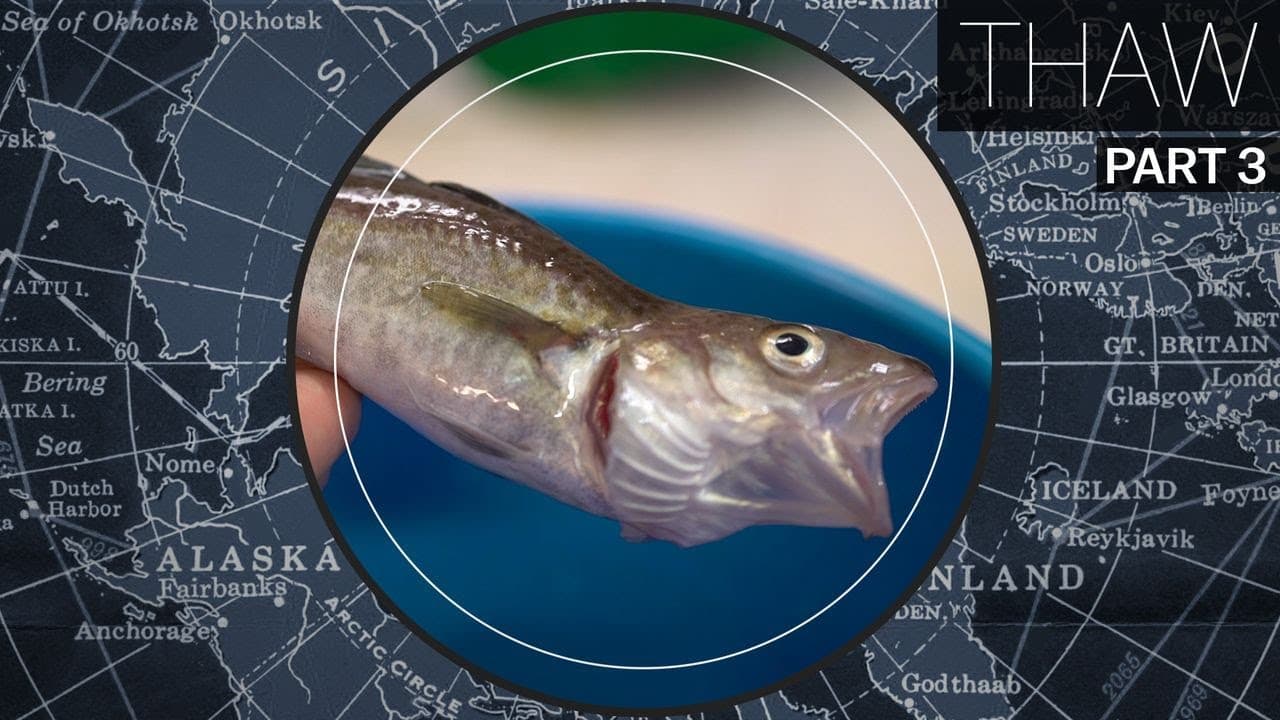
As many as half of Earth's species may be already migrating to escape warming temperatures. Plants are inching northward and so are many animals. The Arctic ecosystem is particularly vulnerable to invasion. Scientists aboard this research ship are hunting the most important fish in the Arctic: polar cod. Mixed in with the Arctic fish are invaders i... Read More
Key Insights
- The Arctic ecosystem is highly vulnerable to invasive species due to warming temperatures, causing many Atlantic species to migrate north.
- Polar cod, crucial to the Arctic food web, face competition from invading species like Atlantic cod and capelin for food resources.
- The process known as 'Atlantification' is causing Atlantic waters to move north, which are warmer and saltier, impacting Arctic marine life.
- Polar cod thrive in shallow waters but are losing territory to deeper, warmer areas where they can't survive.
- Invading species such as Atlantic cod and capelin disrupt the Arctic food web by competing for prey and preying on native species like polar cod.
- Atlantic copepods, less nutritious than their Arctic counterparts, are becoming more prevalent, forcing polar cod to expend more energy hunting.
- Atlantic cod, seen as invaders in the Arctic, are also climate refugees due to overfishing and warming in their native habitats.
- Human activities, including fossil fuel extraction and military operations, are increasing in the Arctic, adding stress to the already changing ecosystem.
Install to Summarize YouTube Videos and Get Transcripts
Explore YouTube Video Summarizer or Get YouTube Transcript Extractor
Questions & Answers
Q: Why are Atlantic fish migrating to the Arctic?
Atlantic fish are migrating to the Arctic due to rising global temperatures causing warming of ocean waters. This warming leads to a northward shift of warmer Atlantic waters into the Arctic, creating a new habitat for these species. As a result, they move to escape unsuitable conditions in their traditional habitats.
Q: What is the impact of 'Atlantification' on the Arctic ecosystem?
'Atlantification' impacts the Arctic ecosystem by introducing warmer and saltier Atlantic waters, which disrupt the native marine life. This process alters the food web, as Atlantic species compete with native species like polar cod for food, and changes the overall ecological balance, threatening the survival of specialized Arctic species.
Q: How does the invasion of Atlantic species affect polar cod?
The invasion of Atlantic species affects polar cod by increasing competition for food resources. Species like Atlantic cod and capelin compete with polar cod for prey and directly prey on them. Additionally, the presence of less nutritious Atlantic copepods forces polar cod to expend more energy hunting, impacting their survival.
Q: What adaptations do polar cod have for surviving in the Arctic?
Polar cod have adapted to survive in the Arctic by storing large amounts of fat in their bodies, which provides energy during long, harsh winters. They feed on copepods that also store fat, ensuring a high-energy diet. These adaptations are crucial for enduring the extreme cold and limited food availability in the Arctic.
Q: How are human activities contributing to stress in the Arctic?
Human activities contribute to stress in the Arctic through increased resource extraction, such as fossil fuel drilling, and expanding sectors like tourism and military operations. These activities intensify environmental pressures, disrupt habitats, and add to the challenges faced by native species already struggling with climate-induced changes.
Q: Why are Atlantic cod considered climate refugees?
Atlantic cod are considered climate refugees because they are forced to migrate north due to overfishing and rising temperatures in their native habitats. As their traditional environments become inhospitable, they seek new territories in the Arctic, where they are perceived as invaders but are essentially escaping climate change impacts.
Q: What role do copepods play in the Arctic food web?
Copepods play a crucial role in the Arctic food web as a primary food source for polar cod. They are rich in fat, providing essential energy for polar cod to survive the long winters. Changes in copepod species due to warming waters can significantly impact the nutritional intake and energy balance of polar cod.
Q: How does the presence of Atlantic copepods affect polar cod?
The presence of Atlantic copepods affects polar cod by providing a less nutritious food source compared to native Arctic copepods. Atlantic copepods store less fat, forcing polar cod to spend more energy hunting to meet their dietary needs. This increased energy expenditure can negatively impact their survival and reproduction rates.
Summary & Key Takeaways
-
As the Arctic warms, species such as Atlantic cod and capelin are migrating north, threatening the native polar cod and altering the ecosystem.
-
The 'Atlantification' of the Arctic brings warmer, saltier waters, which disrupt the traditional food web and challenge the survival of polar cod.
-
Human activities in the Arctic, from resource extraction to tourism, are intensifying, further stressing the region's delicate ecological balance.
Read in Other Languages (beta)
Share This Summary 📚
Summarize YouTube Videos and Get Video Transcripts with 1-Click
Try YouTube Summary with ChatGPT & Claude or YouTube Transcript Generator
Explore More Summaries from Vox 📚
![The Future of AI is Open [Advertiser content from IBM] thumbnail](/_next/image?url=https%3A%2F%2Fi.ytimg.com%2Fvi%2F0KMeeeZOszA%2Fhqdefault.jpg&w=750&q=75)



Summarize YouTube Videos and Get Video Transcripts with 1-Click
Try YouTube Summary with ChatGPT & Claude or YouTube Transcript Generator