The Complete Guide to Choosing the Right Outdoor Fireplace Kit

Jun 18, 2026
8 min read
4 views
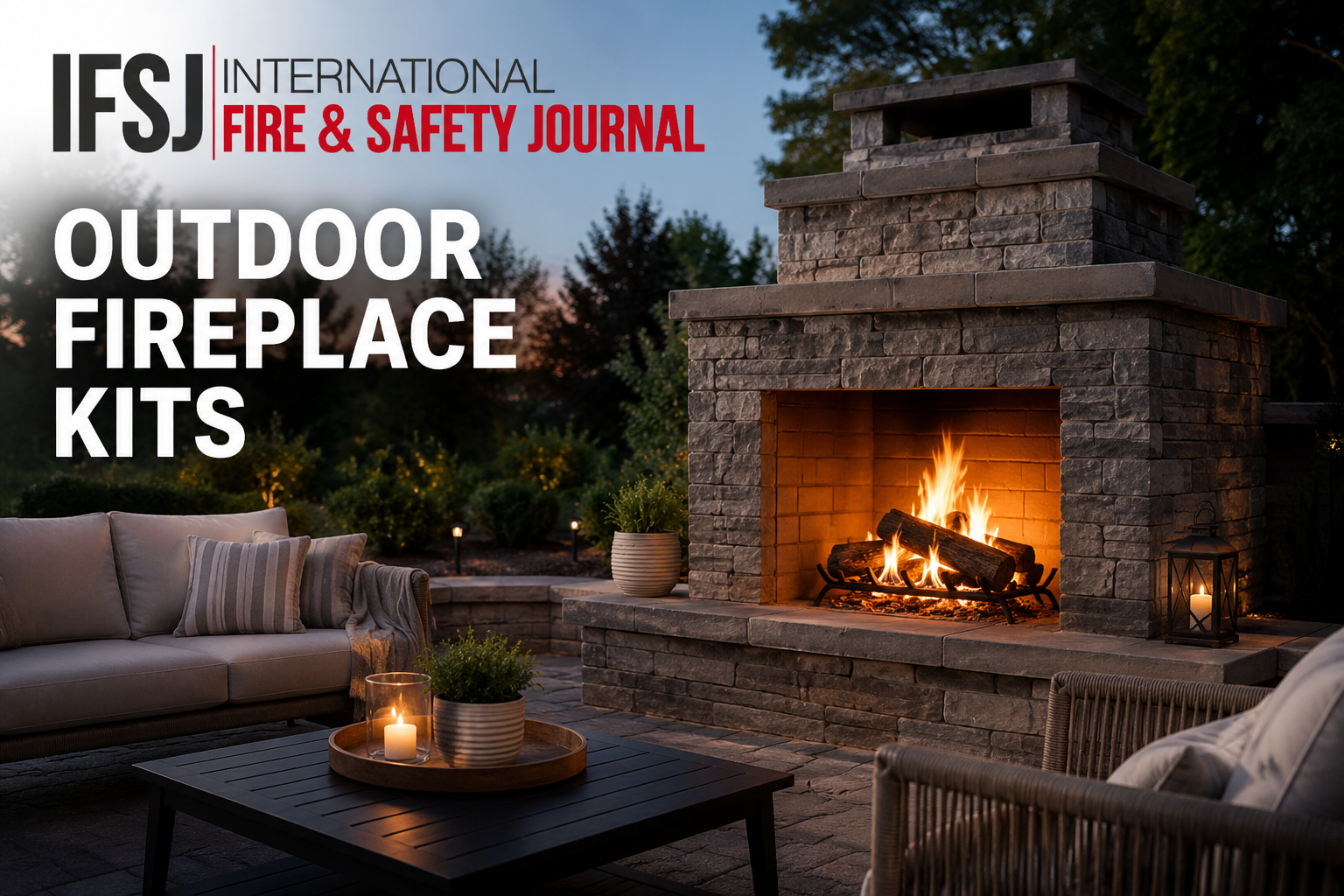
Outdoor living spaces have become an essential extension of the modern home. Homeowners are increasingly investing in features that make their backyards more comfortable, functional, and visually appealing throughout the year. Among these additions, outdoor fireplaces have gained significant attention for their ability to create a warm and inviting atmosphere.
Unlike custom masonry projects that often require extensive planning and construction, ready-made fireplace solutions offer a more convenient approach. They provide homeowners with a practical way to enhance outdoor areas while maintaining control over costs and installation timelines. This guide explains the different options available, the factors to consider before purchasing, and how to select a solution that best fits your backyard design and lifestyle needs.
What Is an Outdoor Fireplace Kit?
An outdoor fireplace kit is a pre-engineered package that contains the essential components needed to build a functional backyard fireplace. These systems typically include firebox elements, structural materials, assembly instructions, and finishing components designed to simplify installation.
Compared with fully custom-built fireplaces, kits offer a streamlined construction process and predictable costs. They are available in a variety of styles, sizes, and fuel configurations, allowing homeowners to choose an option that matches their outdoor design preferences. Because the major components are manufactured to work together, installation is generally more straightforward than designing a fireplace entirely from scratch. This makes them a popular choice for homeowners seeking a balance between customization, convenience, and long-term value.
Benefits of Installing an Outdoor Fireplace
Adding a fireplace to an outdoor space offers more than just warmth. It can transform a backyard into a welcoming destination for relaxation, entertaining, and family gatherings throughout the year.
Creates a Comfortable Gathering Space
A well-designed fireplace naturally becomes the focal point of an outdoor area. It encourages social interaction and provides a cozy setting for conversations, celebrations, and quiet evenings outdoors.
Extends Outdoor Living Throughout the Year
Cool evenings often limit the use of patios and decks. A reliable heat source allows homeowners to enjoy their outdoor environment during multiple seasons instead of restricting usage to warmer months.
Enhances Property Appeal
Outdoor features that improve functionality and aesthetics can contribute to a property's overall attractiveness. A thoughtfully designed fireplace often adds character and creates a more polished backyard appearance.
Offers Long-Term Value
Compared with many decorative additions, fireplaces provide both visual appeal and practical benefits. Their versatility can make them a worthwhile investment for homeowners focused on improving outdoor living experiences.
Types of Outdoor Fireplace Kits Available
Selecting the right style begins with understanding the primary fuel options available. Each type offers unique advantages depending on maintenance preferences, installation requirements, and desired ambiance.
Wood-Burning Models
Wood-burning systems provide the traditional experience many homeowners associate with outdoor fires. The crackling sound, natural flames, and authentic aroma create a classic atmosphere that appeals to those seeking a rustic outdoor setting.
Natural Gas Systems
Natural gas fireplaces offer convenience and ease of operation. With simple ignition and consistent heat output, they eliminate the need to store firewood while reducing cleanup requirements after use.
Propane-Powered Options
Propane units provide flexibility for properties where natural gas connections may not be available. Portable fuel storage allows homeowners to install these systems in a wider range of locations.
Hybrid Configurations
Some modern designs support multiple fuel sources or offer conversion capabilities. These versatile systems provide additional flexibility and can adapt to changing homeowner preferences over time.
Key Factors to Consider When Choosing an Outdoor Fireplace Kit
Choosing among various outdoor fireplace kits requires careful evaluation of several important factors. Understanding these considerations can help ensure a successful investment that meets both practical and aesthetic requirements.
Assess Available Space
Before making a purchase, measure the installation area carefully. The fireplace should complement the outdoor layout without overwhelming patios, seating areas, or landscaping features.
Determine Your Preferred Fuel Type
Fuel choice affects installation complexity, maintenance needs, operating costs, and overall user experience. Consider which option aligns best with your lifestyle and available utilities.
Evaluate Material Durability
Outdoor structures must withstand weather exposure throughout the year. Selecting durable materials helps improve longevity and minimizes future maintenance requirements.
Establish a Realistic Budget
Costs extend beyond the initial purchase price. Homeowners should account for installation expenses, finishing materials, maintenance needs, and potential utility connections when planning their investment.
Review Local Regulations
Municipal requirements may govern fireplace placement, fuel usage, and safety clearances. Understanding local regulations before purchasing can prevent delays and unexpected modifications.
Consider Design Compatibility
The fireplace should integrate naturally with existing landscaping, architectural styles, and outdoor furnishings. A cohesive design helps create a more attractive and functional outdoor environment.
Choosing the Right Size
Size plays a critical role in both performance and visual balance. Selecting dimensions that match the available space helps maximize comfort and usability.
Small Patio Installations
Compact fireplaces work well in courtyards, patios, and smaller outdoor seating areas. They provide warmth and visual appeal without occupying excessive space.
Medium-Sized Backyard Applications
Moderately sized units often provide the best balance between heating performance and design flexibility. They suit a wide range of residential outdoor environments.
Large Entertainment Areas
Spacious properties can accommodate larger fireplace designs that serve as prominent focal points. These installations are ideal for hosting larger gatherings and outdoor events.
Maintaining Proper Proportion
Regardless of available space, the fireplace should remain proportional to surrounding features. Oversized structures can dominate an area, while undersized models may appear visually disconnected.
Best Materials Used in Outdoor Fireplace Kits
Material selection significantly influences appearance, durability, and maintenance requirements. Understanding common options helps homeowners make informed decisions.
Natural Stone
Natural stone offers timeless beauty and exceptional durability. Its unique textures and colors can enhance both traditional and contemporary outdoor designs.
Brick Construction
Brick remains a popular choice because of its classic appearance and long-lasting performance. It complements many architectural styles and requires relatively minimal upkeep.
Concrete Components
Concrete systems provide versatility and affordability. Modern manufacturing techniques allow concrete products to replicate the appearance of more expensive materials.
Steel and Metal Elements
Metal components are commonly incorporated into structural and decorative features. They contribute strength while supporting a variety of contemporary design styles.
Outdoor Fireplace Kit Safety Considerations
Safety should remain a priority throughout the planning, installation, and operation process. Proper precautions help reduce risks and support long-term performance.
Maintain Safe Clearances
Fireplaces should be positioned away from structures, fences, trees, and other combustible materials. Adequate spacing helps reduce fire hazards and improves ventilation.
Ensure Proper Ventilation
Good airflow supports efficient combustion and helps direct smoke away from gathering areas. Proper ventilation also contributes to a more enjoyable user experience.
Follow Manufacturer Guidelines
Every system includes installation and operating recommendations. Following these instructions carefully helps maintain safety and protect warranty coverage.
Conduct Routine Inspections
Regular inspections allow homeowners to identify wear, damage, or maintenance needs before they develop into larger issues that could affect performance or safety.
DIY Installation vs Professional Installation
Many homeowners debate whether to install a fireplace independently or hire a professional contractor. Both approaches offer distinct advantages.
Benefits of DIY Installation
Some kits are specifically designed for straightforward assembly. Experienced homeowners may appreciate the opportunity to reduce labor costs while completing the project themselves.
Advantages of Professional Installation
Professional installers bring expertise, specialized tools, and familiarity with building codes. Their experience can help ensure proper construction and long-term reliability.
Cost Considerations
DIY projects typically reduce upfront expenses, while professional services increase initial costs. However, expert installation may help prevent costly mistakes and future repairs.
Making the Right Choice
The best option depends on project complexity, homeowner experience, local requirements, and overall comfort level with construction-related tasks.
Common Mistakes to Avoid When Buying an Outdoor Fireplace Kit
Avoiding common purchasing errors can improve satisfaction and help homeowners maximize the value of their investment.
Choosing Based Solely on Price
The least expensive option may not provide the durability, performance, or appearance desired over the long term. Quality should remain a primary consideration.
Ignoring Fuel Availability
Selecting a fuel type without considering local availability or infrastructure can create operational challenges after installation is complete.
Overlooking Space Requirements
Insufficient planning may result in a fireplace that appears too large or too small for the intended location. Accurate measurements are essential.
Neglecting Regulatory Requirements
Failure to verify local codes and permit requirements can lead to project delays, additional expenses, or mandatory modifications.
How to Maintain Your Outdoor Fireplace Kit
Regular maintenance helps preserve appearance, improve performance, and extend service life.
Clean the Fireplace Regularly
Removing ash, debris, and soot buildup helps maintain efficient operation and prevents unnecessary wear on key components.
Protect Against Weather Exposure
Using covers and weather-resistant treatments can help reduce moisture-related damage and prolong material durability.
Inspect Components Periodically
Routine inspections allow homeowners to identify cracks, corrosion, or other issues before they affect functionality.
Schedule Seasonal Maintenance
Performing maintenance before periods of heavy use helps ensure reliable operation and prepares the fireplace for changing weather conditions.
Conclusion
Selecting the right fireplace solution requires careful consideration of space, fuel type, material quality, installation requirements, and long-term maintenance needs. By evaluating these factors before purchasing, homeowners can make informed decisions that support both functionality and visual appeal. A well-chosen fireplace can transform an ordinary backyard into a welcoming destination for relaxation and entertainment throughout the year. As highlighted by International Fire and Safety Journal, thoughtful planning and attention to quality can help create a durable and attractive outdoor feature that complements your lifestyle and enhances your property's overall value.
FAQs
1. What is the best fuel type for an outdoor fireplace kit?
The best fuel type depends on your preferences. Wood offers a traditional experience, while natural gas and propane provide greater convenience and lower maintenance.
2. Do outdoor fireplace kits require a building permit?
Permit requirements vary by location. Homeowners should consult local authorities before beginning installation.
3. How much does an outdoor fireplace kit typically cost?
Costs vary based on size, materials, fuel type, and installation requirements. Prices can range from a few hundred to several thousand dollars.
4. Can I install an outdoor fireplace kit myself?
Many systems are designed for DIY assembly, although professional installation may be recommended for complex projects.
5. How long do outdoor fireplace kits last?
With proper installation and maintenance, a quality fireplace can provide reliable performance for many years.
6. What materials are most durable for outdoor fireplace kits?
Natural stone, brick, and high-quality concrete are among the most durable materials commonly used in outdoor fireplace construction.
Comments
I am Smith Methu, a technical writer focused on AI-powered security and modern surveillance solutions.