Check Rto Information & Vehicle Details at RTO Lucknow

Sep 09, 2026
7 min read
0 views
Buying, selling, or transferring a vehicle involves more than simply exchanging keys and documents. Vehicle owners may need to verify registration details, obtain certificates, pay applicable taxes, or complete ownership-related formalities. In such situations, understanding the services offered by RTO Lucknow can make the process more organised and convenient.
Lucknow, the capital of Uttar Pradesh, has a large and growing number of registered cars, motorcycles, commercial vehicles, and other motor vehicles. The Regional Transport Office (RTO) plays an important role in regulating these vehicles and providing essential transport-related services to residents.
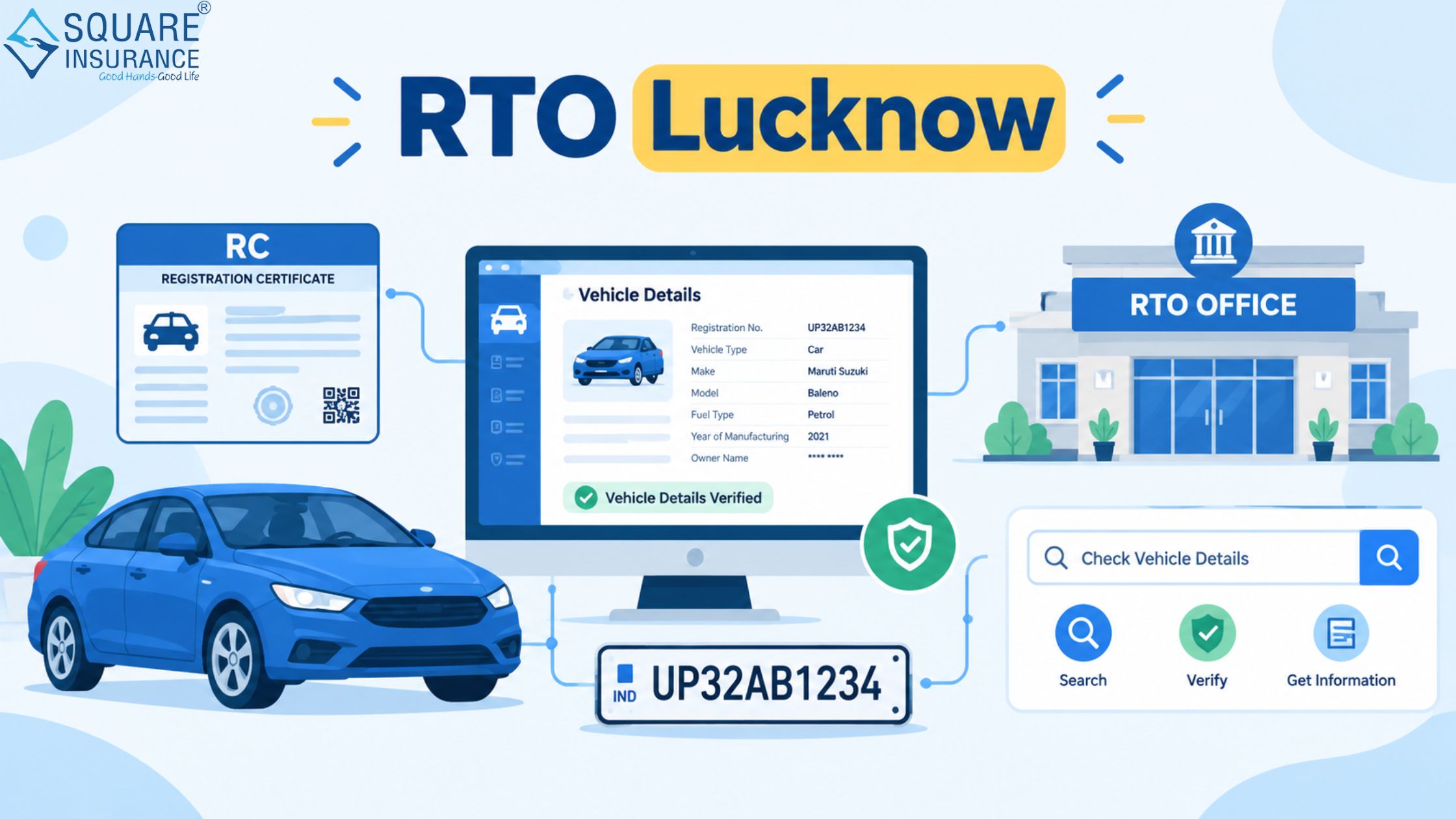
What Is RTO Lucknow?
The Regional Transport Office in Lucknow functions under the transport administration of Uttar Pradesh. It is responsible for implementing provisions of the Motor Vehicles Act and related transport rules.
The RTO handles several activities associated with driving licences, vehicle registration, permits, road tax, fitness certificates, and other transport services. Vehicle owners can approach the appropriate RTO office depending on the registration jurisdiction of their vehicle.
The registration code associated with Lucknow is generally UP-32. This code can be seen on vehicle registration plates belonging to the relevant Lucknow registration jurisdiction.
Major Services Available at RTO Lucknow
The RTO provides various services for vehicle owners and drivers. Some of the important services include:
New vehicle registration
Registration Certificate issuance
Renewal of vehicle registration
Transfer of vehicle ownership
Change of address in registration records
Duplicate Registration Certificate
Hypothecation addition or removal
Driving licence-related services
Learner's licence services
Permanent driving licence services
Driving licence renewal
Duplicate driving licence
International driving permit-related services
Vehicle fitness certification
Permit-related services for commercial vehicles
Road tax-related services
Pollution and compliance-related processes
Issuance of various vehicle-related certificates
The exact procedure, documents, and applicable fees can vary according to the service being requested.
How to Check Vehicle Details in Lucknow
Vehicle-related information can be useful when purchasing a second-hand vehicle or verifying the records of an existing vehicle. Registration information generally helps establish whether the vehicle is properly registered and whether its documentation is in order.
When checking vehicle details, owners or prospective buyers should keep the following information and documents ready where applicable:
Vehicle registration number
Registration Certificate (RC)
Chassis number
Engine number
Insurance documents
Pollution Under Control (PUC) certificate
Identity and address proof
Sale or purchase documents, where applicable
It is important to rely on authorised transport records and the documents available with the vehicle owner. Information obtained from unofficial sources should not be treated as definitive proof of ownership or registration status.
RTO Lucknow Vehicle Registration Process
Vehicle registration is one of the most important responsibilities of an RTO. A newly purchased motor vehicle generally needs to be registered according to applicable motor vehicle regulations.
The broad registration process involves:
1. Submit the required documents: The vehicle owner needs to provide the required documents, which may include the sale invoice, insurance certificate, address proof, identity proof, roadworthiness-related documents, and other applicable forms.
2. Vehicle inspection: Depending on the type of vehicle and registration requirement, the vehicle may need to undergo inspection by the transport authority.
3. Payment of applicable charges: The owner needs to pay the prescribed registration charges, taxes, and other applicable fees.
4. Registration approval: After successful verification and completion of the required formalities, the vehicle registration is processed.
5. Registration Certificate: The RC is issued as evidence of the vehicle's registration.
Owners should ensure that the details mentioned on the RC, including the owner's name, vehicle number, chassis number, engine number, and other relevant particulars, are accurate.
Documents Required for Vehicle-Related RTO Services
Documentation depends on the service being requested. However, commonly required documents may include:
Registration Certificate
Valid motor insurance certificate
PUC certificate
Identity proof
Address proof
Passport-size photographs, where applicable
Vehicle sale invoice
Form-related documents prescribed for the service
NOC, when required
Tax or fee payment receipts
Loan or hypothecation documents, wherever applicable
For ownership transfer, additional documents may be required from the buyer and seller. Commercial vehicles can also have additional permit and fitness requirements.
Why Vehicle Details Should Be Verified Before Buying a Used Vehicle
Checking a vehicle's records before purchasing a second-hand vehicle can help reduce the risk of documentation-related problems.
A buyer should carefully compare the information available on the vehicle with the details mentioned in its registration documents. Important details to verify include:
Registration number
Chassis number
Engine number
Owner information
Registration validity
Insurance status
PUC status
Vehicle class
Hypothecation details, if applicable
The physical vehicle should also be examined carefully. Any mismatch between the vehicle and its documents should be investigated before completing the transaction.
RTO Lucknow Fees and Charges
RTO charges depend on the service being used. Registration, ownership transfer, licence services, fitness certification, permits, and other processes can have different fee structures.
For this reason, vehicle owners should verify the applicable charges at the time of applying rather than relying on outdated figures. Additional taxes, penalties, or service charges may also apply depending on the transaction and vehicle category.
Importance of Keeping RTO Records Updated
Keeping vehicle and driving licence information updated is essential for hassle-free vehicle ownership. Changes such as a new residential address, ownership transfer, or removal of vehicle finance should be reflected in the relevant records.
An updated Registration Certificate can also make future activities such as selling the vehicle, renewing documentation, or dealing with an insurance claim more straightforward.
Vehicle owners should also maintain valid motor insurance and other mandatory documents throughout the period of vehicle ownership.
RTO Lucknow and Motor Insurance
RTO documentation and motor insurance are closely connected to responsible vehicle ownership. While registration establishes the vehicle's legal identity in transport records, insurance provides financial protection against covered risks.
Before driving a vehicle on public roads, owners should ensure that the required motor insurance is valid. Depending on the policy selected, coverage may include third-party liability and protection against specified damages to the insured vehicle.
When buying a used vehicle, it is particularly important to check whether the insurance details are properly updated following ownership transfer. The buyer should coordinate the necessary insurance formalities instead of assuming that the previous owner's policy automatically resolves every requirement.
Tips for Hassle-Free RTO Work in Lucknow
Vehicle owners can make RTO-related processes easier by following a few practical steps:
Keep original documents and copies organised.
Check all vehicle details before submitting an application.
Ensure the name and address match across relevant documents.
Pay only the applicable government-prescribed charges.
Keep receipts and acknowledgement documents safely.
Complete ownership transfer promptly after purchasing a used vehicle.
Check the validity of insurance and PUC documents.
Do not ignore notices, pending taxes, or other vehicle-related obligations.
Verify information carefully before signing any transport-related form.
Frequently Asked Question (FAQs)
Q1. What is the RTO code for Lucknow?
The commonly associated RTO registration code for Lucknow is UP-32.
Q2. What services does RTO Lucknow provide?
RTO Lucknow provides services related to vehicle registration, ownership transfer, driving licences, road tax, permits, fitness certificates, RC updates, and other transport-related requirements.
Q3. Can I check vehicle details using the registration number?
Yes, registration-related information can be checked through authorised transport records and services, subject to the information made available under applicable rules.
Q4. What documents are needed for vehicle registration?
Documents may include the vehicle invoice, insurance certificate, identity and address proof, applicable forms, tax payment documents, and other documents depending on the vehicle and registration requirement.
Q5. Is vehicle insurance required for registered vehicles?
Motor vehicle owners must comply with applicable insurance requirements for vehicles being used on public roads. Third-party liability insurance is generally a mandatory requirement under Indian motor vehicle law.
Conclusion
RTO services are an important part of vehicle ownership, whether you are registering a new vehicle, transferring ownership, updating records, or checking existing vehicle information. Understanding the services and documentation requirements of RTO Lucknow can help vehicle owners complete transport-related formalities more efficiently.
Before purchasing a used vehicle or completing an RTO transaction, always verify the relevant documents and vehicle information carefully. Along with keeping RTO records updated, maintaining valid motor insurance is an important part of responsible vehicle ownership. Square Insurance can help vehicle owners manage their insurance requirements and make informed decisions about suitable coverage.
Comments
Square Insurance is a trusted name in the insurance industry, offering customers the ability to compare, buy, claim and review insurance policies at one place t