Understanding Emotions Stored in Body Parts

Jul 25, 2025
4 min read
10 views
The Mind-Body Connection: An Overview
The ancient and modern sciences alike suggest that the mind and body are not separate entities. Emotions influence our physical body just as our physical state impacts our emotional health. This interconnectedness is evident in how emotions stored in body parts manifest through physical sensations, pain, or tension. For example, when we’re anxious, we might feel tightness in the chest or a knot in the stomach. These experiences aren’t merely metaphorical; they point to a real physiological response to emotional stimuli.
Over time, unprocessed emotions can accumulate and be “stored” in various areas of the body. This concept, while deeply rooted in traditional healing systems like Ayurveda, Traditional Chinese Medicine, and somatic psychotherapy, is now being acknowledged in Western medicine and mind-body practices like yoga, trauma therapy, and holistic health.
How Emotions Become Stored in the Body
When we experience strong emotions—fear, anger, grief, or shame—our nervous system responds instantly. Ideally, the body processes these emotions and returns to a state of equilibrium. However, if the emotions are suppressed, ignored, or overwhelming, the nervous system may stay activated, causing the emotion to become trapped or stored in the body. These trapped emotions can lead to chronic tension, pain, or even illness over time.
For instance, trauma that is too overwhelming for the brain to process may be stored as muscle memory, cellular imprinting, or nervous system dysregulation. This is why a person might have a seemingly irrational emotional reaction during a yoga pose, massage, or meditation—because the body is releasing stored emotional energy.
Specific Emotions Stored in Body Parts
Neck and Shoulders: Burden and Responsibility
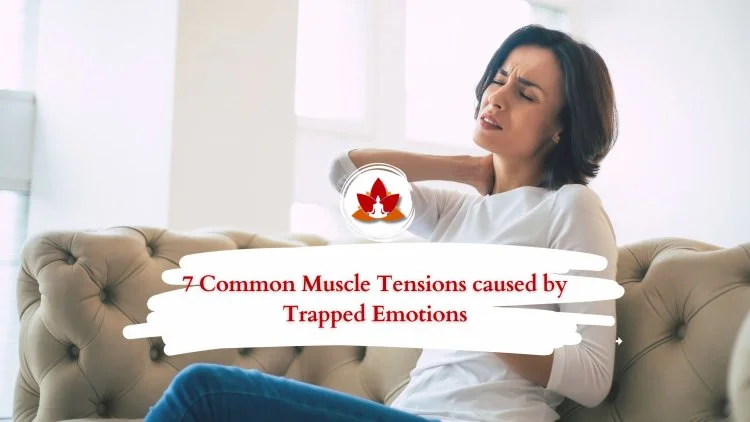
Tension in the neck and shoulders often relates to emotional burdens and the weight of responsibilities. People who carry the emotional load of others or suppress their own feelings to maintain peace may experience chronic tightness in these areas. The phrase “carrying the weight of the world on your shoulders” rings especially true here.
Chest: Grief and Heartache
The chest, particularly the heart center, is associated with love, loss, and grief. When grief is unresolved, it often presents as tightness, heaviness, or shallow breathing. The emotion is stored in the heart space, sometimes referred to as the “heart chakra” in yogic traditions, and may affect both physical posture and respiratory function.

Stomach and Gut: Anxiety and Fear
The gut is a powerhouse of emotional processing. Referred to as the “second brain,” it holds emotional energy related to fear, anxiety, and insecurity. People often report stomach aches, bloating, or digestive issues during times of emotional stress. Emotions stored in the stomach are closely tied to our sense of safety, control, and personal power.
Hips: Suppressed Emotions and Trauma
The hips are commonly regarded in yoga and somatic practices as emotional storage vaults, especially for long-held or repressed trauma. Deep hip opening poses can release intense emotions such as sadness, anger, or fear. This region is also linked to creativity, sexuality, and freedom. Emotional rigidity in the hips can mirror difficulties in expressing these aspects of life.
Lower Back: Financial Stress and Lack of Support
Lower back pain is frequently connected to concerns about survival, stability, and financial security. This area of the body often stores emotions around feeling unsupported—physically, emotionally, or financially. Chronic pain here might be the body's way of signaling that foundational emotional needs are not being met.
Jaw and Mouth: Anger and Unspoken Truths
Clenching the jaw, grinding the teeth, or tension in the mouth can indicate repressed anger or words left unsaid. The jaw stores unexpressed emotions, especially those related to conflict or powerlessness. Holding back from speaking one's truth or constantly suppressing dissent can manifest in chronic jaw tension.
Releasing Emotions Stored in Body Parts
Healing involves both emotional awareness and physical release. Practices such as yoga, somatic experiencing, massage therapy, breathwork, and mindful movement are powerful tools for identifying and releasing emotions stored in body parts. Emotional journaling, guided meditations, and working with trauma-informed therapists also support this process.
Importantly, the goal is not to “fix” the body but to listen to it. Our bodies carry the map of our emotional journey, and through awareness and compassionate movement, we can begin to unlock and integrate stored emotions into conscious healing.
Conclusion: Listening to the Body's Wisdom
The concept of emotions stored in body parts invites a deeper awareness of how we carry our experiences within us. Emotional pain does not simply fade with time—it often lingers in the body, shaping how we move, feel, and respond to life. By acknowledging these stored emotions and learning to release them, we not only heal physically but also reconnect to our inner truth.
Understanding this mind-body dialogue is essential for holistic well-being. As we begin to pay attention, we realize that the body has always been speaking—it’s time we start listening.