Tantra Yoga

Jun 25, 2025
3 min read
5 views
Introduction to Tantra Yoga: Beyond Stereotypes
Tantra Yoga is often misunderstood due to popular media representations that emphasize only its sensual aspects. However, true Tantra Yoga is a profound spiritual science rooted in ancient Indian traditions. It encompasses a holistic system of practices designed to awaken the dormant spiritual energy within, known as Kundalini Shakti. This tradition integrates breath control (pranayama), meditation, mantra chanting, ritual, and physical postures (asanas) to create balance between the masculine and feminine energies within every individual. Unlike other forms of yoga that may focus predominantly on physical fitness or mental clarity, Tantra Yoga works on the subtle body, aiming to harmonize the chakras and expand consciousness.
The Origins and Philosophy of Tantra Yoga
Tantra Yoga is one of the oldest forms of yogic practice, with origins tracing back to ancient Hindu and Buddhist texts known as the Tantras. These scriptures emphasize the idea that the divine is present in all aspects of existence—including the physical body and sensory experience. The philosophy behind Tantra Yoga encourages practitioners to transcend duality by embracing all facets of life as sacred. Instead of renunciation, tantra teaches transformation. Negative emotions and habits are not denied but transmuted through specific techniques that purify the energy system and expand awareness. This unique approach makes Tantra Yoga both deeply spiritual and highly practical for modern seekers.
Tantra Yoga Practices: A Path to Inner Alchemy
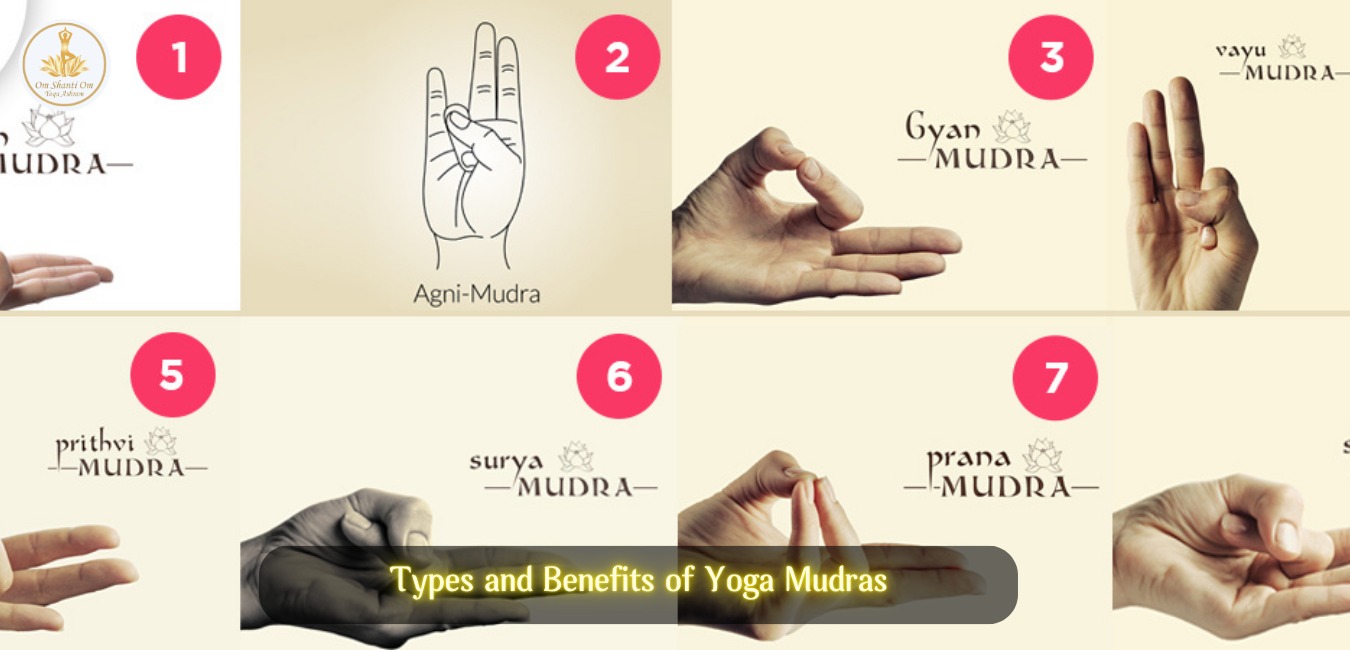
At the core of Tantra Yoga lies the practice of inner alchemy, the transformation of the practitioner’s inner energies to reach higher states of consciousness. This process begins with foundational practices such as asana, bandha (energy locks), mudra (gestures), and mantra chanting. As the practitioner progresses, deeper methods like nyasa (ritual placement of mantras on the body), yantra (sacred geometry), and visualization are introduced. Meditation in Tantra Yoga is not simply about silence, but about active engagement with internal forces. Through regular practice, practitioners learn to awaken and direct the Kundalini energy, ultimately leading to self-realization and union with the divine.
Benefits of Practicing Tantra Yoga
The benefits of Tantra Yoga extend far beyond the physical body. While increased flexibility, strength, and vitality are certainly outcomes, the true transformation occurs at the energetic and spiritual levels. Practitioners often report enhanced clarity of mind, emotional balance, and a deepened sense of intimacy with themselves and others. One of the most celebrated benefits of Tantra Yoga is its ability to dissolve energetic blockages and trauma stored in the body, fostering a more authentic and liberated sense of self. It also improves concentration, stimulates creativity, and strengthens the nervous system, making it a comprehensive system for personal growth and healing.
Modern Relevance of Tantra Yoga
In today’s fast-paced world, the grounding and expansive practices of Tantra Yoga offer a necessary antidote to stress and disconnection. As more people seek deeper meaning beyond material success, Tantra Yoga provides a structured yet flexible path for spiritual exploration. Its emphasis on integrating the sacred into everyday life resonates with modern lifestyles that value authenticity and holistic well-being. Moreover, the growing popularity of mindfulness and energy healing practices has created renewed interest in Tantra Yoga as a powerful, time-tested method for awakening inner potential. Far from being an esoteric relic, Tantra Yoga is increasingly recognized as a transformative path for modern spiritual seekers.
visit:- https://www.omshantiomyoga.com/blog/mudras-in-yoga-meaning-benefits.html