How Much Does a Fire Alarm System Cost for a Commercial Building?

Jun 25, 2026
6 min read
2 views
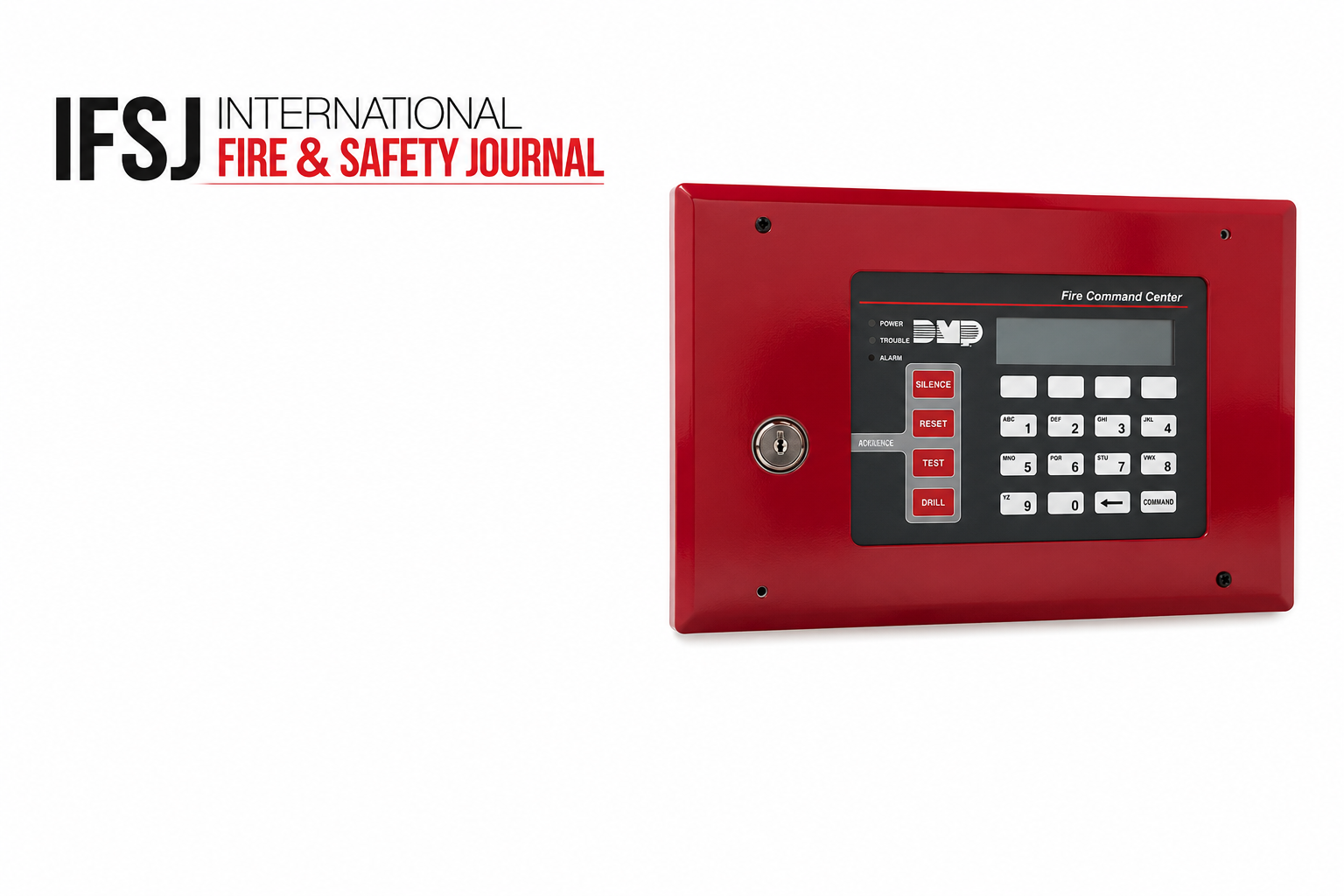
Fire alarm systems are a critical part of commercial building safety. They help detect potential fire hazards, alert occupants, and support emergency response efforts before situations become more severe. Whether managing an office, retail facility, warehouse, or healthcare center, investing in effective fire protection is essential. Understanding the costs involved allows businesses to plan budgets more accurately, meet regulatory requirements, and select solutions that provide long-term value while maintaining a safe environment for employees and visitors.
Understanding Commercial Fire Alarm System Costs
The cost of a fire alarm system for a commercial building can vary significantly depending on several factors. Building size, occupancy type, system complexity, installation requirements, and compliance obligations all influence overall expenses. A small office may require a relatively simple setup, while larger facilities often need advanced detection technologies, expanded coverage, and integrated safety features. Understanding these cost drivers helps organizations make informed decisions when selecting a commercial fire alarm system that aligns with both safety objectives and financial considerations.
Key Factors That Affect Fire Alarm System Costs
Several variables influence project pricing, making it important to evaluate building-specific requirements before estimating installation and operational expenses.
Building Size and Layout
Larger buildings typically require more detection devices, notification equipment, wiring, and control infrastructure. Complex floor plans, multiple levels, and unique architectural features can further increase design and installation requirements.
Occupancy Type and Risk Level
The nature of a facility influences protection needs. Healthcare centers, industrial facilities, educational institutions, and warehouses often require different levels of coverage based on operational risks and occupancy characteristics.
Number of Devices Required
The quantity of smoke detectors, heat detectors, manual call points, notification appliances, and control equipment directly affects material and installation costs throughout a commercial property.
Installation Complexity
Installation costs can increase when buildings have difficult access points, older infrastructure, extensive wiring requirements, or operational constraints that complicate construction and system deployment activities.
Types of Fire Alarm Systems and Their Cost Implications
Different system technologies offer varying capabilities, installation requirements, and long-term maintenance considerations that can impact total project costs.
Conventional Fire Alarm Systems
Conventional systems generally offer lower upfront costs and are often suitable for smaller facilities. They identify alarm zones rather than individual device locations, providing a simpler approach to fire detection.
Addressable Fire Alarm Systems
Addressable systems assign unique identifiers to each device, enabling precise alarm location information. While they often involve higher initial investments, they provide enhanced monitoring and operational benefits.
Wireless Fire Alarm Systems
Wireless solutions reduce the need for extensive cabling and may lower installation disruption. Their overall cost depends on building conditions, technology selection, and long-term maintenance requirements.
Additional Costs to Consider
Beyond equipment and installation expenses, organizations should account for several additional costs that contribute to total ownership over time.
System Design and Planning
Professional design services help ensure proper device placement, code compliance, and effective coverage. Thorough planning reduces the likelihood of costly modifications after installation is completed.
Permits and Compliance Requirements
Many jurisdictions require permits, inspections, certifications, and approval processes before systems can become operational. These regulatory requirements should be included within project budgets.
Monitoring Services
Some facilities utilize professional monitoring services that provide continuous oversight and emergency notification support. These services often involve recurring monthly or annual expenses.
Maintenance and Testing
Routine inspections, testing, repairs, and preventive maintenance activities generate ongoing costs but are essential for maintaining system performance and compliance over the long term.
Cost-Saving Considerations Without Compromising Safety
Organizations can manage expenses effectively by focusing on strategic planning and selecting solutions that align with operational needs.
Choosing the Right System for Building Needs
Selecting a system that matches actual building requirements helps avoid unnecessary spending. Overly complex solutions may increase costs without delivering meaningful additional value.
Planning for Future Expansion
Scalable systems allow organizations to accommodate future growth without replacing major components. This approach can reduce upgrade costs and support long-term flexibility.
Prioritizing Preventive Maintenance
Regular maintenance helps identify minor issues before they become expensive problems. Preventive service programs often reduce repair costs and extend equipment lifespan.
The Long-Term Value of Investing in a Fire Alarm System
Although initial costs can be significant, quality fire protection systems often provide substantial long-term benefits that justify the investment.
Improved Life Safety
Reliable detection and notification capabilities help protect occupants by providing early warnings during emergencies, allowing additional time for safe evacuation and emergency response.
Reduced Property Damage Risks
Earlier fire detection supports quicker intervention efforts, helping limit damage to buildings, equipment, inventory, and other valuable business assets.
Enhanced Business Continuity
Organizations that minimize fire-related disruptions can often resume operations more quickly. Reduced downtime supports productivity, customer service, and overall organizational resilience.
Regulatory Compliance Benefits
Maintaining compliant fire protection systems helps businesses satisfy legal obligations, avoid penalties, and demonstrate a commitment to workplace safety and risk management.
Common Mistakes When Budgeting for Fire Alarm Systems
Many organizations focus primarily on upfront pricing without considering the broader financial picture associated with long-term ownership and operation.
Focusing Only on Initial Costs
Selecting the lowest-cost option may lead to higher maintenance expenses, limited functionality, or future upgrade requirements that increase overall ownership costs over time.
Underestimating Installation Expenses
Labor, infrastructure modifications, permitting requirements, and integration work can significantly affect project budgets. Accurate planning helps prevent unexpected financial challenges.
Ignoring Ongoing Maintenance Costs
Routine inspections, testing, repairs, and monitoring services represent important recurring expenses that should be included when evaluating long-term affordability.
Overlooking Future Building Changes
Facility expansions, renovations, and operational changes may require system modifications. Planning for future needs can help reduce costly upgrades later.
Conclusion
The cost of a fire alarm system depends on many factors, including building size, occupancy requirements, technology selection, installation complexity, and ongoing maintenance needs. While pricing can vary considerably, focusing solely on initial expenses may overlook important long-term benefits and operational considerations. As highlighted by International Fire and Safety Journal, businesses that balance budget planning with safety requirements, regulatory compliance, and system reliability are better positioned to protect people, property, and daily operations. A thoughtful investment today can deliver lasting value through improved protection, reduced risk, and stronger business resilience.
FAQs
1.What factors have the biggest impact on commercial fire alarm system costs?
Building size, occupancy type, system complexity, installation requirements, and the number of devices needed are among the most significant cost factors.
2. Are addressable fire alarm systems more expensive than conventional systems?
In many cases, addressable systems have higher upfront costs due to their advanced capabilities and enhanced monitoring features.
3. Do commercial fire alarm systems require ongoing maintenance costs?
Yes. Regular inspections, testing, repairs, and maintenance activities are necessary to maintain performance and compliance.
4. Can wireless fire alarm systems reduce installation expenses?
Wireless systems may reduce cabling requirements and installation disruption, though overall savings depend on building conditions and system design.
5. How can businesses control fire alarm system costs without compromising safety?
Organizations can manage costs by selecting appropriately sized systems, planning for future growth, and maintaining equipment regularly to prevent costly repairs.
Comments
I am Smith Methu, a technical writer focused on AI-powered security and modern surveillance solutions.