The Role of Board Thickness in Rigid Boxes Making and Performance

Oct 28, 2026
7 min read
1 views
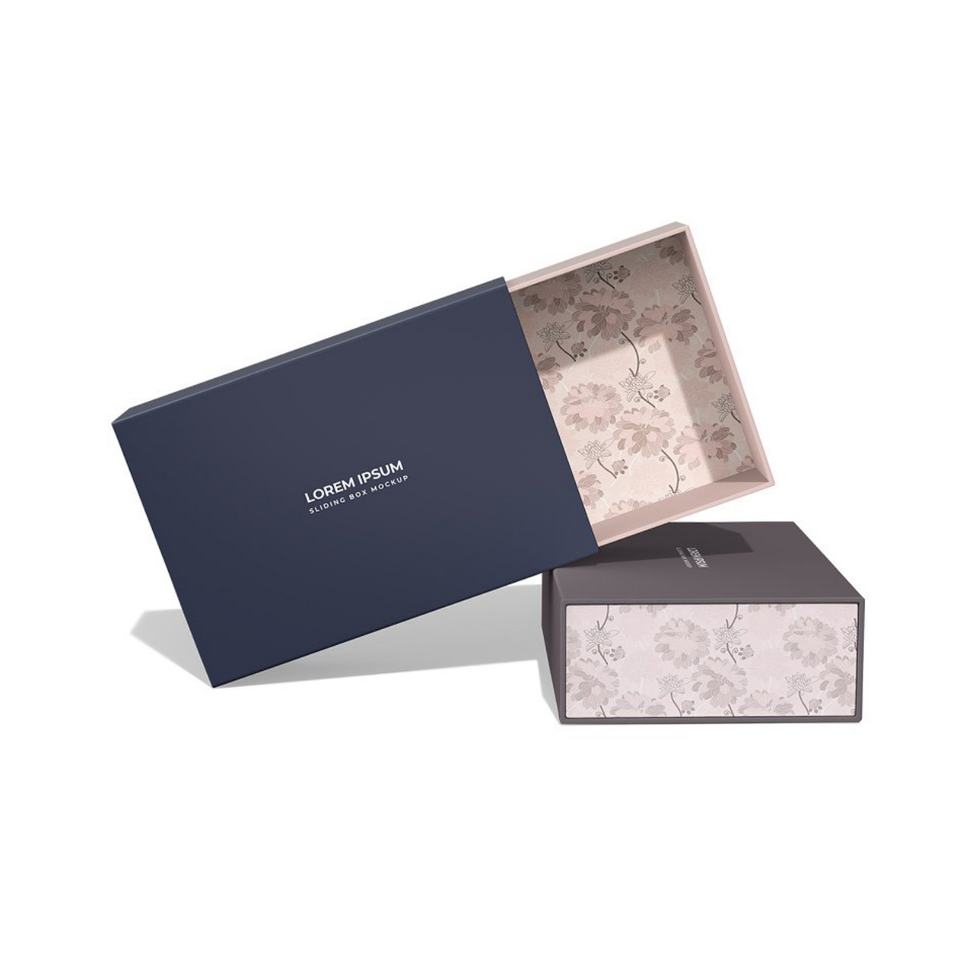
Boxes represent the highest standard of luxury packaging in modern manufacturing. Brands across cosmetics, consumer electronics, jewelry, and high-end retail rely on these durable containers to protect valuable products and elevate brand perception. While visual surface elements such as foil stamping, embossing, and custom textured paper wrapped around the exterior catch the eye, the true strength lies beneath the surface.
The structural core of any custom sleeve rigid boxes setup relies heavily on greyboard or chipboard. Choosing the proper board thickness dictates not only the physical durability of the box during transit but also its tactile feel, lid fit, and overall performance. Understanding how board thickness affects making dynamics ensures that packaging engineers and brand managers select the ideal material specs for their product lines.
Understanding Board Thickness and Caliper Measurements
In rigid packaging manufacturing, board thickness is commonly measured in points, calipers, or millimeters. Caliper refers directly to the thickness of the paperboard sheet, where one point equals one-thousandth of an inch (0.001"). In global manufacturing hubs, thickness is routinely referenced in millimeters, ranging from 1.0mm up to 3.0mm or higher.
The density and density-to-weight ratio of the greyboard impact structural rigidity. Higher caliper board offers greater bending stiffness, which prevents bulging along extended side panels. Knowing these measurement standards helps packaging teams communicate precise material specifications to production lines.
Common Board Thickness Gauges
1.0mm to 1.2mm (40pt - 48pt): Lightweight board suitable for small, low-weight items like cosmetic compacts or small jewelry.
1.5mm to 2.0mm (60pt - 80pt): Standard industry gauge for medium-sized retail items, apparel, and premium promotional goods.
2.5mm to 3.0mm+ (100 pt - 120 pt): Heavy-duty board engineered for dense consumer electronics, heavy spirits, and large multi-piece presentation sets.
How Board Thickness Shapes Rigid Box Making
The physical making of a rigid box involves precision scoring, V-cutting, corner taping, and paper wrapping. Each step in the fabrication process interacts directly with the selected caliper of the inner board.
Precision V-Cutting and Corner Grooving
To create sharp 90-degree corners, automated machinery cuts precise V-shaped grooves into the board prior to folding. The depth and angle of the groove depend entirely on the board thickness. If the board is too thin, the groove blade can cut completely through the sheet, weakening the corner. Conversely, thicker board allows for deep, precise V-grooves that yield clean, sharp edges without tearing the underlying substrate.
Wrapped Paper and Edge Folding
After the greyboard frame is formed, paper wrap is glued onto the exterior. Thicker board provides a stable, flat backing that absorbs adhesive evenly without warping. It also creates a solid edge over which wrapping paper can be folded smoothly without showing internal seams or panel collapse.
Impact of Board Thickness on Structural Integrity and Protection
The primary functional duty of premium packaging is product protection. Board thickness directly determines how well a container withstands external physical stresses throughout the supply chain.
Compression Strength and Stacking Resistance
Palletizing and warehousing demand high vertical compression strength. Thicker board walls absorb stacking pressure, protecting sensitive internal contents from crushing. When shipping goods globally, maintaining wall stability under weight prevents permanent box deformation.
Bending Stiffness and Resistance to Warping
Greyboard naturally absorbs moisture from atmospheric humidity and water-based adhesives during the wrapping process. Thinner boards are prone to warping as moisture dries unevenly across the sheet. Selecting an appropriate caliper balances moisture absorption and maintains a flat, true shape over long periods.
Board Thickness Considerations for Popular Rigid Box Styles
Different packaging styles handle mechanical stress in unique ways. The choice of board thickness directly influences how effectively these custom styles open, close, and hold their shape over time.
Telescoping and Two-Piece Boxes
Two-piece setups feature a separate lid and base. The thickness of both the inner base and outer lid board must account for clearance tolerances. If the board is too thick without adjusted dimensions, the lid will bind against the base, making it difficult for consumers to open the container smoothly.
Sliding and Friction-Fit Styles
Sliding relies on smooth movement between an outer sleeve and an inner tray. Utilizing rigid boxes requires precise caliper calculations so the inner tray slides effortlessly without catching on internal wraps or sagging under the weight of the enclosed product.
Hinged and Magnetic Presentations
Hinged lid styles place mechanical stress on the rear spine during repeated usage. Thicker greyboard holds heavy-duty metal hinges or embedded magnets securely. For luxury presentations, magnetic closure rigid boxes require sufficient board depth to conceal hidden magnets flush within the core wall, ensuring a seamless aesthetic and reliable closure snap.
Unboxing Experience and Perception of Luxury
Packaging acts as a physical touchpoint between a brand and a consumer. Beyond protection, board thickness shapes sensory perceptions during the unboxing moment.
Tactile Weight and Premium Feel
Consumers associate physical weight and rigidity with high value. A box with substantial wall thickness feels solid, premium, and durable in the hand. This tactile feedback reinforces product value before the item inside is even seen.
Sound and Fit Acoustics
The subtle sound of air releasing as a tight lid glides off a base creates a memorable sensory moment. Precise board thickness ensures tight structural tolerances, allowing for that classic, controlled vacuum release sound associated with premium retail products.
Selecting the Right Board Thickness for Gift Sets and Retail Packaging
Choosing the correct board thickness requires balancing physical requirements against cost factors. Selecting a board that is too thin risks structural failure, while choosing an overly thick board adds unnecessary shipping weight and production expense.
Product Weight and Fragility
Heavy or fragile items demand higher caliper boards (2.0mm to 3.0mm) to prevent sidewall flex. Lightweight goods perform perfectly fine in lower caliper containers (1.2mm to 1.5mm) without compromising safety.
Insert Integration and Internal Fitments
Custom foam, thermoformed plastic, or paperboard inserts fit inside the box cavity. The inner dimensions shift based on board thickness. Packaging engineers must adjust exterior dimensions outward when increasing board thickness to keep internal cavity space consistent.
Multi-Item Presentations
When designing rigid gift boxes, internal dividers often organize multiple items. Thicker perimeter walls hold rigid internal partitions securely in place, keeping individual items separated and protected during handling.
Environmental and Cost Implications
Material selection influences overall project budget, transport logistics, and corporate sustainability targets.
Shipping Weight and Freight Volume
Thicker board adds dimensional weight and overall mass to shipping shipments. Multiplied across thousands of units, increased board calipers directly impacts freight expenses. Finding the optimal thickness minimizes shipping costs while retaining necessary structural integrity.
Material Efficiency and Recyclability
Grey board is manufactured primarily from recycled post-consumer paper fibers, making it an eco-friendly option. Optimizing thickness reduces raw material consumption at the mill level and yields lightweight packaging that remains 100% recyclable. High-quality Rigid Boxes can also be reused multiple times by consumers, extending their life cycle significantly.
Summary of Board Thickness Standards
1.0mm - 1.2mm: Ideal for small cosmetics, light retail items, and small jewelry packaging.
1.5mm - 2.0mm: Standard choice for footwear, apparel, electronics, and medium gift sets.
2.5mm - 3.0mm: Best for heavy luxury goods, spirits bottles, and oversized presentation cases.
Frequently Asked Questions
What is greyboard in rigid box manufacturing?
Greyboard is a dense, recycled paperboard material used as the structural core of rigid boxes. It provides rigidity and strength, over which decorative printed paper wraps are glued.
How does board thickness affect custom printing and finishing?
Board thickness itself is not printed on directly in luxury box production. Decorative wrap paper is printed separately and glued over the board. However, thicker board provides a smoother, flatter backing for flawless paper application and foil stamping.
Can a rigid box be too thick?
Yes. Overly thick board adds unnecessary freight weight, increases material costs, and can interfere with lid movement if clearance tolerances are not calculated accurately during design.
What caliper is best for magnetic closure styles?
A board thickness of 1.5mm to 2.0mm or higher is recommended for magnetic closure rigid boxes so that hidden magnets can be countersunk cleanly into the wall without bulging.
How do sleeve rigid boxes perform with thinner boards?
Using thin boards for sleeve rigid boxes can cause the outer sleeve to bow inward or warp, creating friction that prevents the inner tray from sliding smoothly. A minimum of 1.5mm board is typically recommended.
Why are rigid gift boxes heavier than folding cartons?
Rigid gift boxes use thick, high-density greyboard that does not collapse or fold flat, unlike folding cartons which are made from thinner paperboard sheets.
Comments
Written by Coffee Cups Wholesale
Maximize profit margins with durable coffee cups wholesale. IBEX Packaging delivers top custom options.