How Healthcare Developers Are Transforming U.S. Hospitals with Smart Medical Applications

Mar 05, 2026
2 min read
0 views
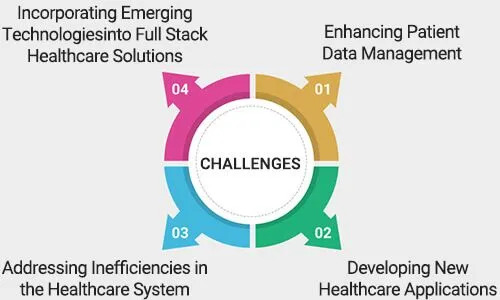
Digital transformation is no longer a trend in American healthcare—it is a necessity. Hospitals, clinics, and telehealth providers are embracing advanced applications to improve efficiency and patient outcomes. Behind these innovations are skilled professionals such as the healthcare developer who combines technical expertise with healthcare domain knowledge.
Modern healthcare systems rely heavily on the expertise of a healthcare software developer to build platforms that integrate seamlessly with existing infrastructure. From EHR systems to billing platforms, these developers ensure smooth interoperability and data exchange.
An experienced medical software developer focuses on building compliant, secure, and user-friendly systems tailored to clinical environments. They understand complex workflows and design applications that simplify processes rather than complicate them.
With the rise of virtual care, medical mobile app developers are playing an increasingly important role. These professionals create mobile platforms that support telemedicine, remote monitoring, and patient engagement tools. Mobile apps allow patients to access care from anywhere, reducing barriers and improving convenience.
In addition, skilled medical application developers design platforms for diagnostics, appointment management, patient portals, and more. These applications enhance communication between patients and providers while improving overall efficiency.
The demand for a specialized health app developer is also increasing. Health-focused apps now include fitness tracking, chronic condition monitoring, and AI-driven health assessments. These tools empower patients to take a proactive role in managing their health.
An experienced healthcare developer ensures that applications meet strict U.S. regulatory standards. Data security, HIPAA compliance, and secure cloud integration are essential features in modern healthcare applications.
Collaboration is another key advantage of working with professional developers. By understanding both technical and clinical requirements, they bridge the gap between healthcare providers and digital technology. This collaborative approach ensures that the final product meets real-world needs.
Scalable architecture is also critical. Hospitals may expand services or introduce new specialties, and applications must adapt accordingly. Skilled medical software developer teams build flexible systems capable of supporting growth.
Ultimately, digital healthcare innovation depends on experienced professionals who understand the complexities of the industry. From secure telehealth apps to integrated hospital management platforms, developers are driving meaningful change across the U.S. healthcare landscape.
In summary, partnering with an experienced healthcare developer enables healthcare organizations to build reliable, secure, and scalable digital solutions. As patient expectations continue to rise, intelligent application development will remain central to delivering high-quality, accessible care in the United States.
Comments
I am a passionate healthcare enthusiast committed to advancing the healthcare sector by providing full-service business solutions that make use of cutting-edge