Unlocking the Path to Meditation Mastery

Oct 08, 2025
4 min read
6 views
Meditation has long been recognized as a transformative practice, capable of bringing inner peace, clarity, and heightened awareness. However, achieving meditation mastery requires more than simply sitting quietly or following basic instructions—it is a journey that blends discipline, understanding, and deep self-awareness. This guide explores the various facets of developing true meditation mastery, offering insights for both beginners and experienced practitioners.
Understanding Meditation Mastery
Before delving into techniques, it is important to understand what meditation mastery really entails. Mastery does not imply perfection; rather, it refers to the consistent ability to access a state of focused awareness, emotional balance, and mental clarity.
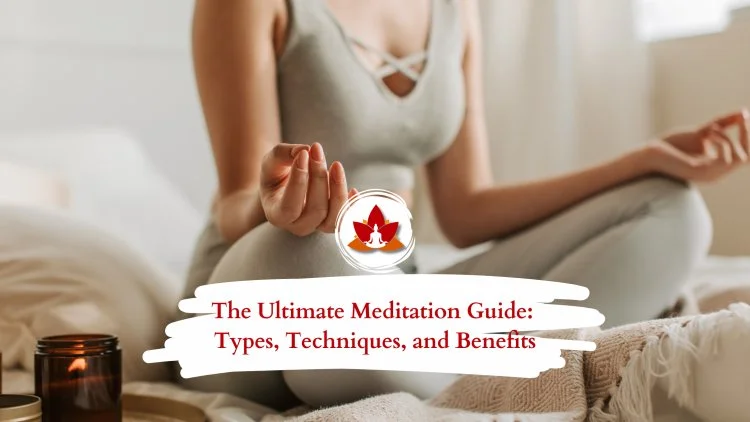
At its core, meditation mastery involves cultivating the mind’s capacity to remain present, resilient, and centered regardless of external distractions. Individuals who attain this level often report improved decision-making, reduced stress, and a profound sense of inner harmony.
The Foundations of Meditation Mastery
Consistency is Key
The journey to meditation mastery begins with establishing a regular practice. Consistency creates a foundation for the mind to gradually develop focus and stability. Experts often suggest starting with short sessions of 10–15 minutes daily and gradually increasing the duration as concentration improves. Over time, this disciplined approach strengthens neural pathways associated with attention and calmness, which are essential components of meditation mastery.
Breath Awareness and Mindfulness
A central aspect of meditation mastery is learning to observe the breath and bodily sensations without judgment. Breath awareness serves as an anchor, helping to stabilize wandering thoughts and deepen concentration. Mindfulness, the practice of observing thoughts and emotions as they arise, further refines this skill, allowing the practitioner to respond to life with clarity and calm rather than reacting impulsively.
Techniques to Cultivate Meditation Mastery
Guided Meditation
For those seeking meditation mastery, guided sessions can provide structure and focus. These sessions, often led by experienced instructors, help practitioners explore different meditation styles such as visualization, loving-kindness, or body scans. Over time, guided practices enhance the ability to enter meditative states independently, paving the way for deeper meditation mastery.
Silent Sitting and Concentration
Silent meditation, often regarded as the cornerstone of meditation mastery, trains the mind to sustain focus on a single point—whether it’s the breath, a mantra, or even a sensation. Regular practice of silent sitting not only calms the mind but also fosters heightened self-awareness, emotional stability, and insight into the nature of thoughts and feelings.
Movement and Meditation
Movement-based practices, such as walking meditation or yoga, offer another path to meditation mastery. These methods integrate the mind and body, teaching practitioners to maintain mindfulness while in motion. This approach is particularly beneficial for those who find prolonged sitting challenging, as it allows meditation to become a seamless part of daily life.
Overcoming Challenges on the Path to Meditation Mastery
Even dedicated practitioners encounter obstacles on the journey toward meditation mastery. Common challenges include restlessness, mental chatter, and impatience with the process. Understanding that these hurdles are natural helps maintain motivation. Techniques such as gradually increasing session duration, alternating meditation methods, and journaling experiences can assist in overcoming these barriers and deepening one’s practice.
The Benefits of Achieving Meditation Mastery
Attaining meditation mastery has profound effects on both mind and body. Physically, it reduces stress, lowers blood pressure, and enhances overall well-being. Mentally, it sharpens focus, improves emotional regulation, and cultivates resilience. Spiritually, it fosters a sense of connectedness and inner peace, allowing individuals to experience life with greater clarity, compassion, and joy. Mastery in meditation is not merely a skill but a transformative lifestyle.
Continuing the Journey Conclusion
Meditation is a lifelong journey, and meditation mastery is not a final destination but a continuous process of growth and self-discovery. Even advanced practitioners continually refine their techniques, explore new forms of meditation, and deepen their understanding of the mind. The commitment to ongoing practice ensures that the benefits of meditation continue to expand, enriching every aspect of life.
Conclusion
Achieving meditation mastery requires patience, discipline, and a genuine desire for self-transformation. By understanding its principles, practicing consistently, and embracing challenges as opportunities, anyone can cultivate a deeper sense of inner peace, awareness, and fulfillment. Meditation is not just a practice; it is a path to mastering the mind and living fully in the present moment.