### Bridging Cultures and Innovations in Healthcare: The Dual Impact of Leadership and Technology
Hatched by KAZU
Oct 01, 2024
3 min read
4 views
Bridging Cultures and Innovations in Healthcare: The Dual Impact of Leadership and Technology
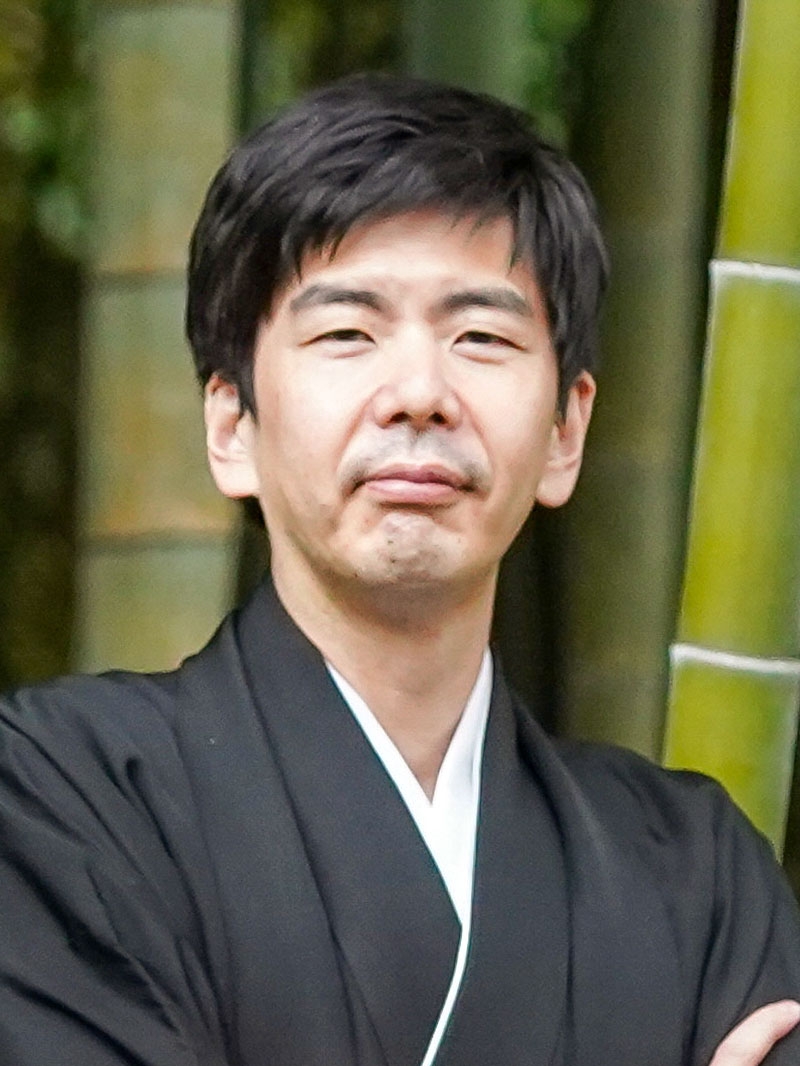
In an era when global collaboration and technological advancement are pivotal to progress, the contributions of leaders like 呉東進 (Wu Dong-Jin) of Shinkong Hospital in Taiwan stand out prominently. His recent recognition with the Order of the Rising Sun, Gold and Silver Rays from Japan highlights not only his extensive influence in the healthcare sector but also his dedication to fostering international relationships, particularly between Taiwan and Japan. Furthermore, the incorporation of emerging technologies such as generative AI in medical institutions illustrates the evolution of healthcare practices, paving the way for innovative solutions while grappling with the realities of regulatory frameworks.
Wu's leadership at Shinkong Hospital extends beyond administrative oversight; it embodies a commitment to social responsibility. His active involvement in relief efforts following the Great East Japan Earthquake, where he donated approximately 18.03 million Taiwanese dollars (about 62 million Japanese yen), exemplifies how healthcare leaders can mobilize resources for humanitarian aid. This philanthropic spirit not only eases immediate suffering but also strengthens ties between nations, fostering a spirit of cooperation that transcends borders.
Moreover, Wu's role as the chairman of the Taipei Shinkong Wu Foundation illustrates his dedication to cultural exchange and the promotion of Japanese culture in Taiwan. This cultural advocacy is crucial as it enriches the healthcare dialogue, allowing for a more holistic understanding of patient care that respects diverse backgrounds and practices. By championing cultural awareness alongside medical collaboration, Wu sets a precedent for how leaders in the healthcare industry can operate within a global context.
On another front, the integration of generative AI in Japanese medical institutions poses an intriguing contrast. While technology promises enhanced efficiency and improved patient outcomes, the realities of its implementation often clash with the expectations of speed and accessibility. The FDA's rigorous approval processes, for instance, can delay the real-world application of cutting-edge innovations, creating a disconnect between the potential benefits of technology and the pace at which they are realized in clinical settings. This scenario challenges healthcare leaders to advocate for streamlined pathways that not only ensure safety and efficacy but also allow for timely access to new technologies.
The intersecting narratives of Wu Dong-Jin's humanitarian efforts and the technological advancements in healthcare underscore the importance of adaptable leadership in navigating both cultural and technological landscapes. To fully embrace the potential of healthcare innovations, industry leaders must prioritize collaboration, both within and beyond the confines of their institutions.
Actionable Advice:
-
Foster International Collaborations: Healthcare leaders should actively pursue partnerships with international organizations to share knowledge, resources, and best practices. This can lead to improved patient care and innovative approaches to common health challenges.
-
Advocate for Regulatory Flexibility: Engage with policymakers to promote regulatory frameworks that accommodate the rapid pace of technological advancement. Encouraging a dialogue between the healthcare industry and regulatory bodies can facilitate quicker access to innovations that benefit patients.
-
Embrace Cultural Competence: Healthcare institutions should prioritize cultural competence training for their staff. Understanding and respecting diverse cultural backgrounds can enhance patient interactions and lead to more personalized care, ultimately improving patient satisfaction and outcomes.
In conclusion, the realms of healthcare leadership and technological advancement are inextricably linked. As exemplified by Wu Dong-Jin's contributions and the challenges posed by generative AI, the future of healthcare will depend on leaders who can adeptly navigate cultural nuances and technological realities. By fostering international collaboration, advocating for regulatory reforms, and embracing cultural diversity, the healthcare sector can evolve to meet the needs of a global population effectively.
Sources
Hatch New Ideas with Glasp AI 🐣
Glasp AI allows you to hatch new ideas based on your curated content. Let's curate and create with Glasp AI :)
Start Hatching 🐣