Often the biggest changes in history are the achievements of thinly documented, informally organized groups of people.
Highlighted by 2 people
‘If I broke [my silence], the strength would depart from me; but while I held my peace, I held my foe in an invisible mesh.’ GEORGE MACDONALD
Often the biggest changes in history are the achievements of thinly documented, informally organized groups of people.
when hierarchy is the order of the day, you are only as powerful as your rung on the organizational ladder of a state, corporation or similar vertically ordered institution. When networks gain an advantage, you can be as powerful as your position in one or more horizontally structured social groups.
Is it better today to be in a network, which gives you influence, than in a hierarchy, which gives you power?
If you ‘report to’ someone, even if it is only to a board of directors, then you are in a hierarchy. The more people report to you, the further you are from the bottom of the heap.
Crucially, when a group of individuals meets, each one of whom has power in a different hierarchical structure, their networking can have profound consequences.
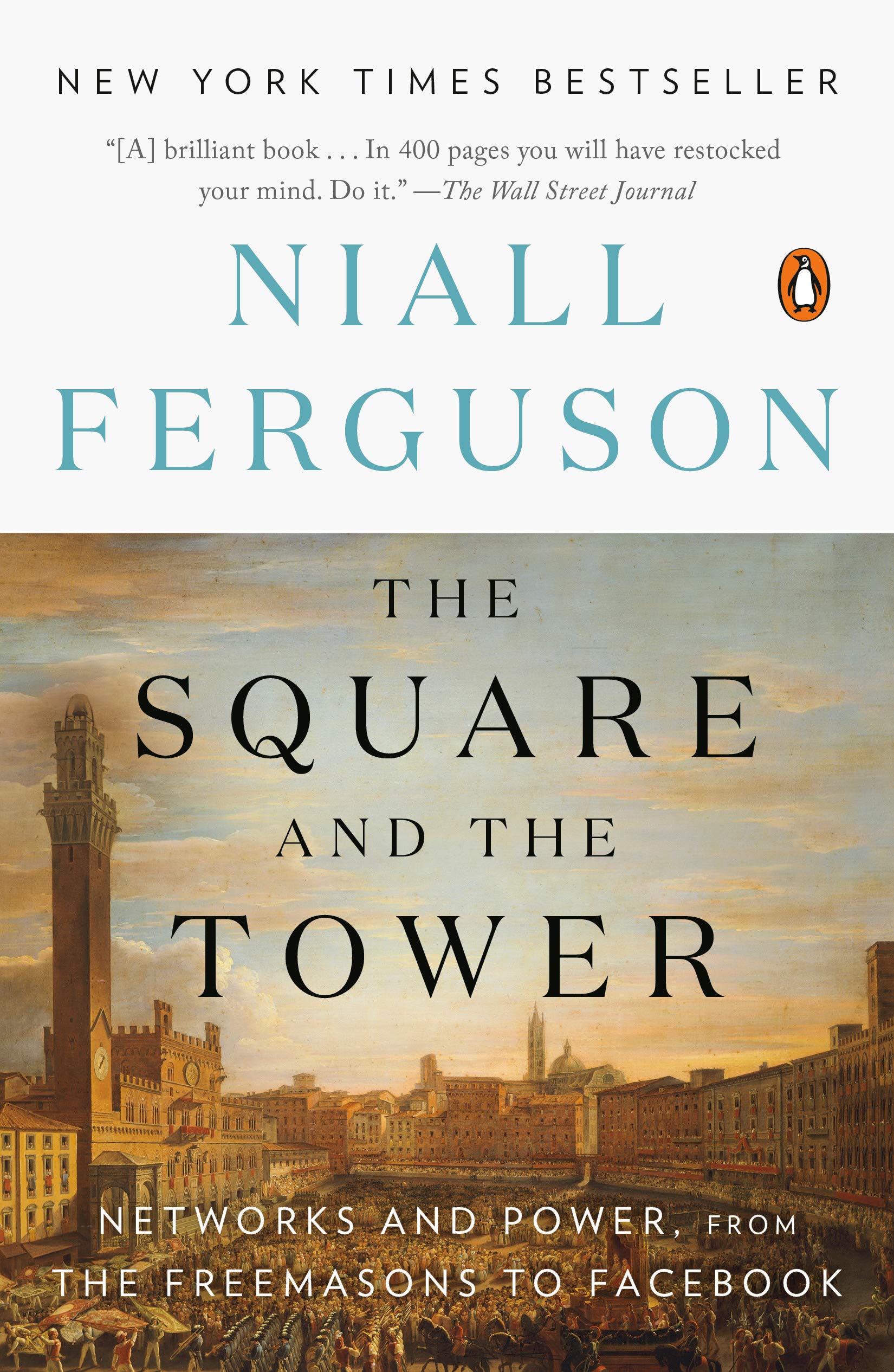
Its central thesis is that social networks have always been much more important in history than most historians, fixated as they have been on hierarchical organizations such as states, have allowed – but never more so than in two periods.
The zenith of hierarchically organized power was in fact the mid-twentieth century – the era of totalitarian regimes and total war.
Henry Kissinger.


Import your Kindle highlights to review, organize, and share the ideas that matter most to you.
Get the free browser extension