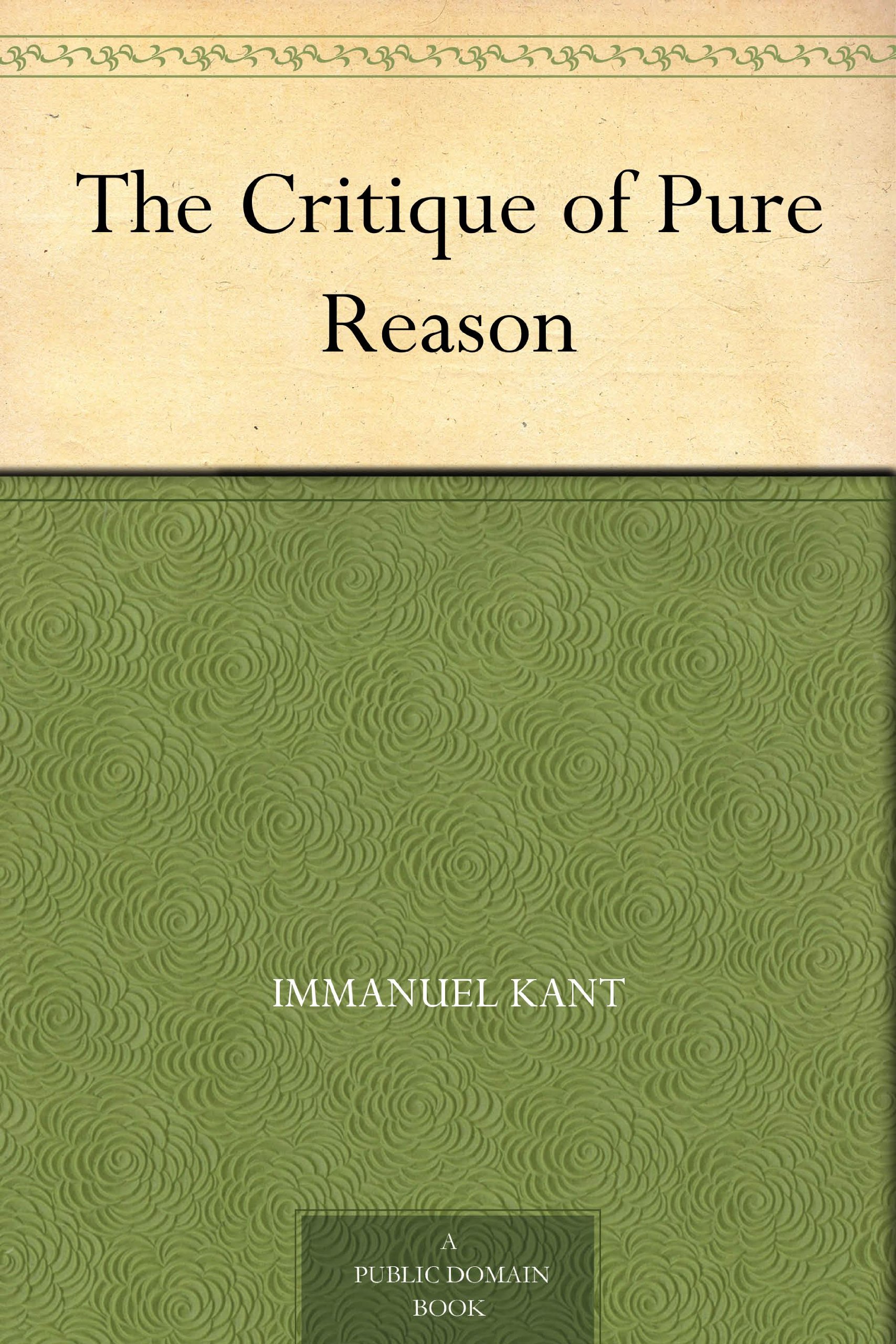
About This Book
The Critique of Pure Reason is Immanuel Kant's foundational work of modern philosophy, an attempt to map the limits and legitimate scope of human reason. The highlights center on Kant's pivotal distinction between knowledge that comes from experience and knowledge that exists a priori — independent of experience yet making experience possible. As one passage stresses, "Experience no doubt teaches us that this or that object is constituted in such and such a manner, but not that it could not possibly exist otherwise." Necessity and universality, Kant argues, can never be derived from sensory observation alone; they must be supplied by the mind itself.
The book builds toward several interlocking claims:
- Certain principles operate a priori and form the "indispensable basis of the possibility of experience itself."
- Empirical rules alone are "fortuitous" and cannot ground the certainty that genuine knowledge requires.
- Reason naturally reaches beyond the sensible world into a transcendental or supersensible sphere, where experience offers "neither instruction nor guidance."
Kant treats these investigations into reason as having "a far more elevated aim than all that the understanding can achieve within the sphere of sensuous phenomena." Yet the whole project is also a disciplined warning: when reason transcends the principles legitimately tied to experience, it risks error and illusion. The Critique thus performs a dual task — defending the possibility of necessary knowledge while restraining reason from overreaching into domains it cannot validate. The result is Kant's "Copernican revolution": the claim that objects must conform to our cognition, rather than cognition merely mirroring objects. It is dense, systematic, and demanding, but it reframes the central questions of metaphysics, epistemology, and the nature of human understanding.
Key Takeaways
- 1.A priori principles are the indispensable basis for the very possibility of experience.
- 2.Experience reveals how objects are constituted, but never that they could not possibly exist otherwise — so necessity must come from elsewhere.
- 3.If all rules of knowledge were empirical and therefore fortuitous, experience itself could acquire no certainty.
- 4.Reason naturally reaches into a transcendental or supersensible sphere beyond the reach of experience.
- 5.Kant values investigations of reason above the understanding's work within mere sensory phenomena, despite their risk of error.
- 6.The Critique both defends necessary knowledge and disciplines reason against overreaching its legitimate limits.
AI Review
Based on Glasp reader highlights, this is a landmark but demanding philosophical work whose most-marked passages cluster around Kant's core distinction between a priori knowledge and experience.
Pros
- +Establishes the pivotal concept of a priori knowledge as the basis of certainty
- +Rigorous, systematic treatment of the limits of reason
- +Reframes metaphysics through Kant's Copernican revolution
- +Highlighted passages show readers engaging with its foundational arguments
Cons
- −Extremely dense and abstract prose that challenges most readers
- −Small highlighter sample limits consensus on its accessibility
Glasp AI analysis based on highlights from 3 readers.
Who Should Read This
This is essential reading for philosophy students, academics, and serious readers of metaphysics and epistemology. It suits those already comfortable with abstract argument and prepared for dense, systematic prose. Readers exploring the history of ideas, the foundations of science, or the nature of knowledge and reason will find it rewarding. Beginners should approach it with a companion guide and patience, as Kant's terminology — a priori, transcendental, the limits of understanding — demands careful, slow engagement rather than casual reading.
Frequently Asked Questions
What is the book about?
Who is it for?
What are the key lessons?
Is it worth reading?
What does Kant mean by a priori knowledge?
What is the transcendental sphere Kant discusses?
Why can't experience alone provide certainty?
How to Apply What You Read
- 1.Identify in your own thinking which beliefs rest on experience and which claim necessity or universality.
- 2.Question assumptions that something "could not be otherwise" and ask where that certainty actually comes from.
- 3.Pair your reading with a reputable commentary to navigate Kant's terminology.
- 4.Reflect on the boundary between what reason can legitimately know and where it overreaches into the supersensible.
Discussion Questions
- Q1.Can necessity and universality ever be derived from experience, or must they be supplied by the mind?
- Q2.What does Kant gain — and risk — by valuing reason's transcendental investigations above the understanding's empirical work?
- Q3.If empirical rules are fortuitous, how does Kant secure the certainty of knowledge?
- Q4.What does it mean to say objects must conform to our cognition rather than the reverse?
- Q5.Where should reason draw the line between legitimate inquiry and speculative overreach?
- Q6.How does Kant's distinction between a priori and empirical knowledge still shape thinking today?
- Q7.Is the pursuit of supersensible knowledge worth the risk of error that Kant acknowledges?
Recommended Books


Revisit Your Highlights, Deepen Your Understanding
Import your Kindle highlights to review, organize, and share the ideas that matter most to you.
Get the free browser extension