Recommended byGarry Tan
About This Book
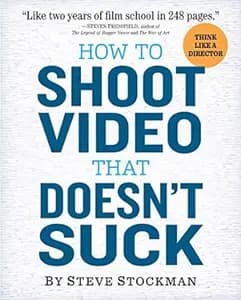
"How To Shoot Video That Doesn't Suck" by Steve Stockman is a comprehensive guide for beginners and amateur videographers who want to improve their skills and produce high-quality videos. In this book, Stockman shares his expertise and practical tips on various aspects of video production.
The book begins by debunking common misconceptions about shooting video, emphasizing the importance of storytelling and engaging the audience. Stockman then dives into the essentials of camera handling and explains the key technical components, such as framing, lighting, and sound, in simple and accessible language.
Stockman also covers the art of planning and executing shots effectively, emphasizing the significance of capturing compelling visual sequences that enhance the overall narrative. He teaches readers how to choose the right locations, compose shots for maximum impact, and smoothly transition between scenes.
Furthermore, Stockman delves into the creative processes involved in shooting different genres, including interviews, events, and narratives. He provides practical advice on directing subjects, capturing authentic moments, and maintaining viewer interest.
In addition to technical and creative tips, Stockman explores the editing process, offering valuable guidance on trimming footage, adding music, and enhancing visuals through post-production techniques. He emphasizes the importance of pacing and rhythm in creating engaging videos that hold the audience's attention.
Throughout the book, Stockman shares personal anecdotes and examples to illustrate his points effectively. The writing is straightforward, concise, and peppered with humor, making it an enjoyable and practical read.
"How To Shoot Video That Doesn't Suck" is an invaluable resource for anyone seeking to improve their video production skills. Its clear guidance and real-world examples equip readers with the necessary tools to create compelling videos that captivate viewers, regardless of their experience level.
The book begins by debunking common misconceptions about shooting video, emphasizing the importance of storytelling and engaging the audience. Stockman then dives into the essentials of camera handling and explains the key technical components, such as framing, lighting, and sound, in simple and accessible language.
Stockman also covers the art of planning and executing shots effectively, emphasizing the significance of capturing compelling visual sequences that enhance the overall narrative. He teaches readers how to choose the right locations, compose shots for maximum impact, and smoothly transition between scenes.
Furthermore, Stockman delves into the creative processes involved in shooting different genres, including interviews, events, and narratives. He provides practical advice on directing subjects, capturing authentic moments, and maintaining viewer interest.
In addition to technical and creative tips, Stockman explores the editing process, offering valuable guidance on trimming footage, adding music, and enhancing visuals through post-production techniques. He emphasizes the importance of pacing and rhythm in creating engaging videos that hold the audience's attention.
Throughout the book, Stockman shares personal anecdotes and examples to illustrate his points effectively. The writing is straightforward, concise, and peppered with humor, making it an enjoyable and practical read.
"How To Shoot Video That Doesn't Suck" is an invaluable resource for anyone seeking to improve their video production skills. Its clear guidance and real-world examples equip readers with the necessary tools to create compelling videos that captivate viewers, regardless of their experience level.
What People Are Saying
“Good book”
Revisit Your Highlights, Deepen Your Understanding
Import your Kindle highlights to review, organize, and share the ideas that matter most to you.
Get the free browser extension
Share This Book
More Books in Creativity
View More
The Creative Act
Rick Rubin
The $12 Million Stuffed Shark
Don Thompson
The Artist's Way
Julia Cameron
The Elements of Style
William Strunk Jr.
A Technique for Producing Ideas
James Webb Young

Andy Goldsworthy
Andy Goldsworthy
Creative Selection
Ken Kocienda
Creativity
Mihaly Csikszentmihalyi
Deiter Rams
Sophie Lovell
Impro
Keith Johnstone

James Turrell
Michael Govan
Lateral Thinking
Edward de Bono
Leonardo Da Vinci
Frank Zollner
Lost Ocean
Johanna Basford
Nobody Wants To Read Your Sh*t
Steven Pressfield
Powers of Two
Joshua Wolf Shenk
Schulz and Peanuts
David Michaelis
Shortcut
John Pollack
Six Thinking Hats
Edward de Bono
Steal Like an Artist
Austin Kleon
The Act of Creation
Arthur Koestler
The Art of Possibility
Rosamund Stone Zander

The Belly Art Project
Sara Blakely
The Creative Society
Lars Tvede
The Gift
Lewis Hyde
The Visual Display of Quantitative Information
Edward Tufte
This Is Your Brain on Music
Daniel Levitin
Popular Books Recommended by Great Minds 📚
Sapiens
Yuval Noah Harari
The Hard Thing About Hard Things
Ben Horowitz
Zero to One
Peter Thiel
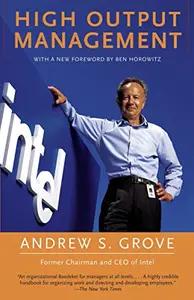
High Output Management
Andrew Grove
Principles
Ray Dalio
Shoe Dog
Phil Knight
Snow Crash
Neal Stephenson
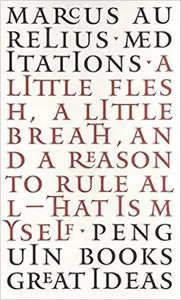
Meditations
Marcus Aurelius
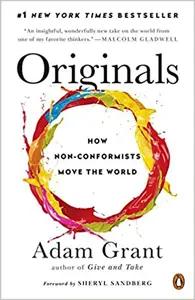
Originals
Adam Grant

Poor Charlie's Almanack
Charlie Munger
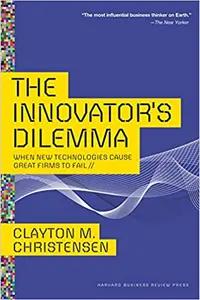
The Innovators Dilemma
Clayton Christensen
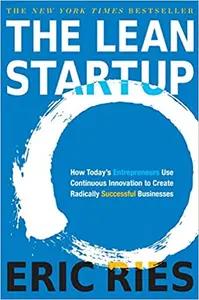
The Lean Startup
Eric Reis
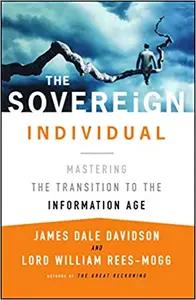
The Sovereign Individual
James Dale Davidson & William Rees-Mogg
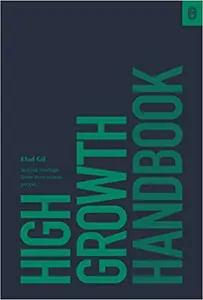
High Growth Handbook
Elad Gil
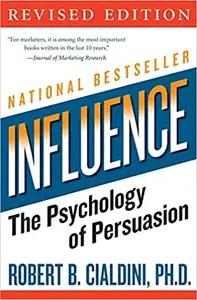
Influence
Robert Cialdini
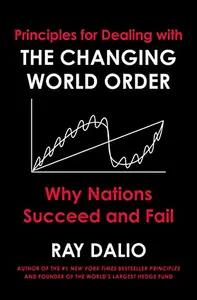
Principles for Dealing With The Changing World Order
Ray Dalio
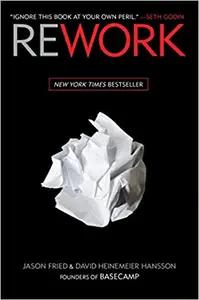
Rework
Jason Fried
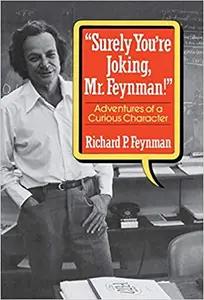
Surely You're Joking Mr. Feynman
Richard Feynman
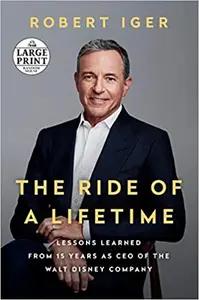
The Ride of a Lifetime
Bob Iger
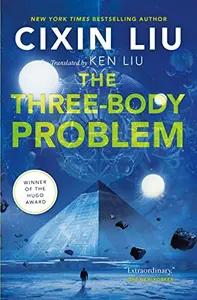
The Three Body Problem
Cixin Liu
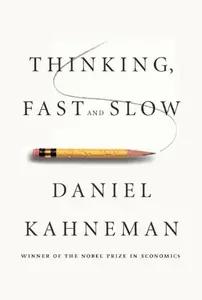
Thinking, Fast and Slow
Daniel Kahneman
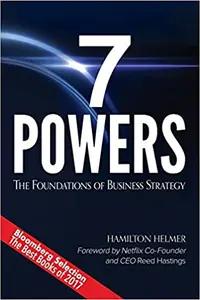
7 Powers
Hamilton Helmer
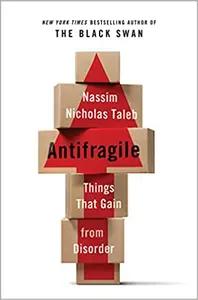
Antifragile
Nassim Nicholas Taleb
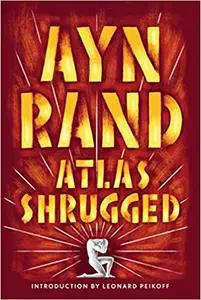
Atlas Shrugged
Ayn Rand
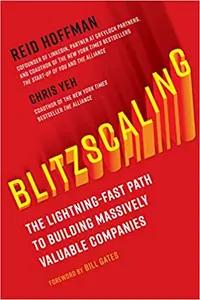
Blitzscaling
Reid Hoffman
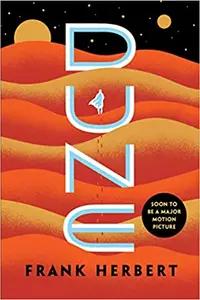
Dune
Frank Herbert
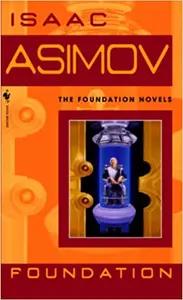
Foundation
Isaac Asimov
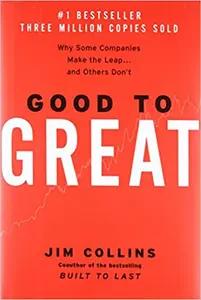
Good To Great
Jim Collins
Hopping Over The Rabbit Hole
Anthony Scaramucci
Man's Search for Meaning
Viktor Frankl