How Can Student-Centered Learning Improve Engagement?
TL;DR
Student-centered learning boosts engagement by empowering students to take charge of their learning journey. Through hands-on activities, students actively explore and ask questions, fostering curiosity and critical thinking. Teachers facilitate this process, creating an environment where students drive their own inquiries and develop deeper understanding.
Transcript
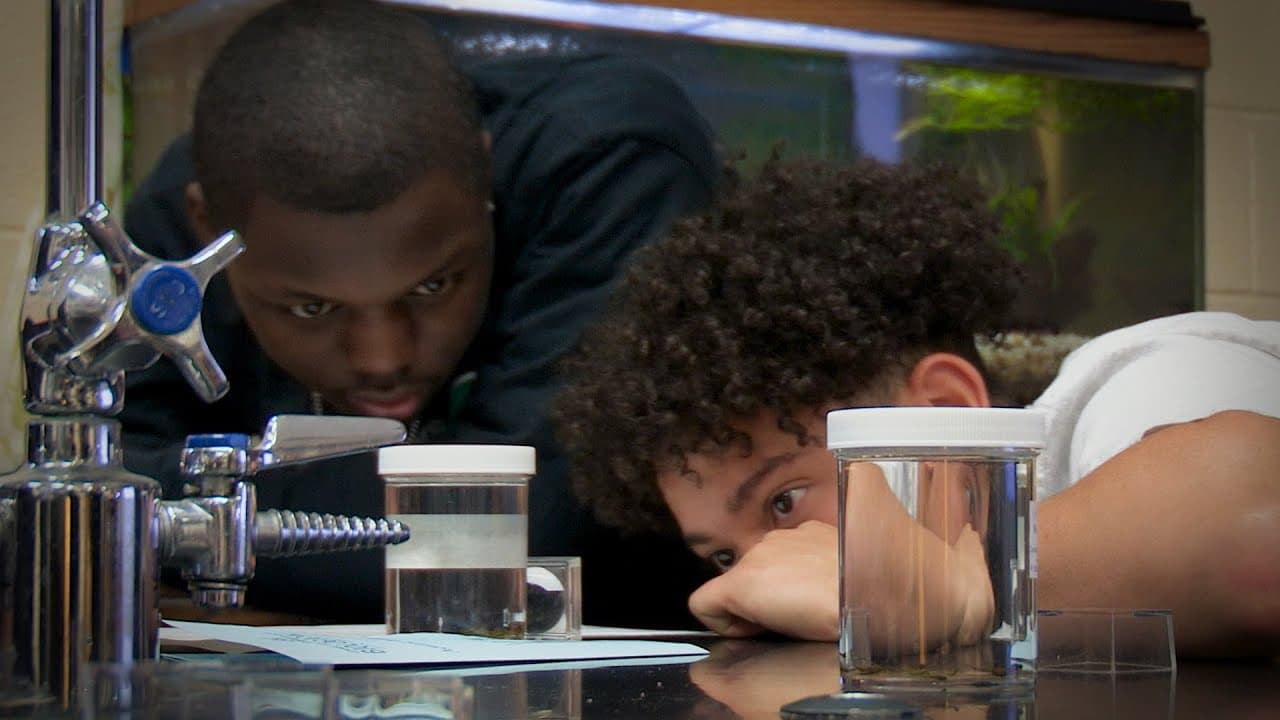
Student: So you think they breathe through their skin or what? >>Casey: When students are compelled to ask the questions that I'd want to ask them, but they're creating these questions on their own, that's when their minds are actually engaged. >>Do you see any sort of respiration happening anywhere? >>Student: No. I do not. >>Arria: Here at the ... Read More
Key Insights
- 🤔 Student-centered learning promotes curiosity and critical thinking.
- 🤗 Active engagement through hands-on activities enhances learning outcomes.
- 🧑🎓 Teachers who facilitate rather than lecture empower students to explore and inquire.
- 😷 Curiosity drives students to ask questions, seek answers, and develop deeper understanding.
- 💁 Interactive experiences in the classroom facilitate observation, analysis, and hypothesis formation.
- 🤔 Empowering students to guide their learning fosters independence and critical thinking skills.
- 👻 Curiosity allows students to form their own understanding of concepts and engage actively with the material.
Install to Summarize YouTube Videos and Get Transcripts
Explore YouTube Video Summarizer or Get YouTube Transcript Extractor
Questions & Answers
Q: How does the teacher at Springfield Renaissance School engage students in learning?
The teacher engages students by creating a student-centered learning environment where curiosity and critical thinking are fostered through hands-on activities and discussions. By letting students lead the instruction, real learning occurs.
Q: What role does curiosity play in student learning?
Curiosity allows students to push themselves to understand more, ask questions, and form their own understanding of concepts. It leads to active exploration and deeper engagement with the material.
Q: Why does the teacher prioritize hands-on experiences in the classroom?
Hands-on experiences foster curiosity, critical thinking, and active learning. By engaging students in interactive activities, the teacher helps them develop skills in observation, analysis, and hypothesis formation.
Q: How does student curiosity contribute to their understanding of the material?
Student curiosity prompts questions, leading to investigations and discussions that deepen their understanding of concepts. By being curious and asking questions, students actively engage with the material.
Summary & Key Takeaways
-
At Springfield Renaissance School, the teacher adopts a student-centered learning approach, engaging students in critical thinking and curiosity.
-
Students actively explore characteristics of organisms, prompting questions and discussions to foster understanding.
-
The teacher empowers students to drive their learning by facilitating curiosity and investigative thinking during hands-on activities.
Read in Other Languages (beta)
Share This Summary 📚
Summarize YouTube Videos and Get Video Transcripts with 1-Click
Try YouTube Summary with ChatGPT & Claude or YouTube Transcript Generator
Explore More Summaries from Edutopia 📚



Summarize YouTube Videos and Get Video Transcripts with 1-Click
Try YouTube Summary with ChatGPT & Claude or YouTube Transcript Generator