A Research-Backed Science Curriculum
TL;DR
Engaging and performance-based science curriculum and assessments are revolutionizing the way students learn and apply science concepts.
Transcript
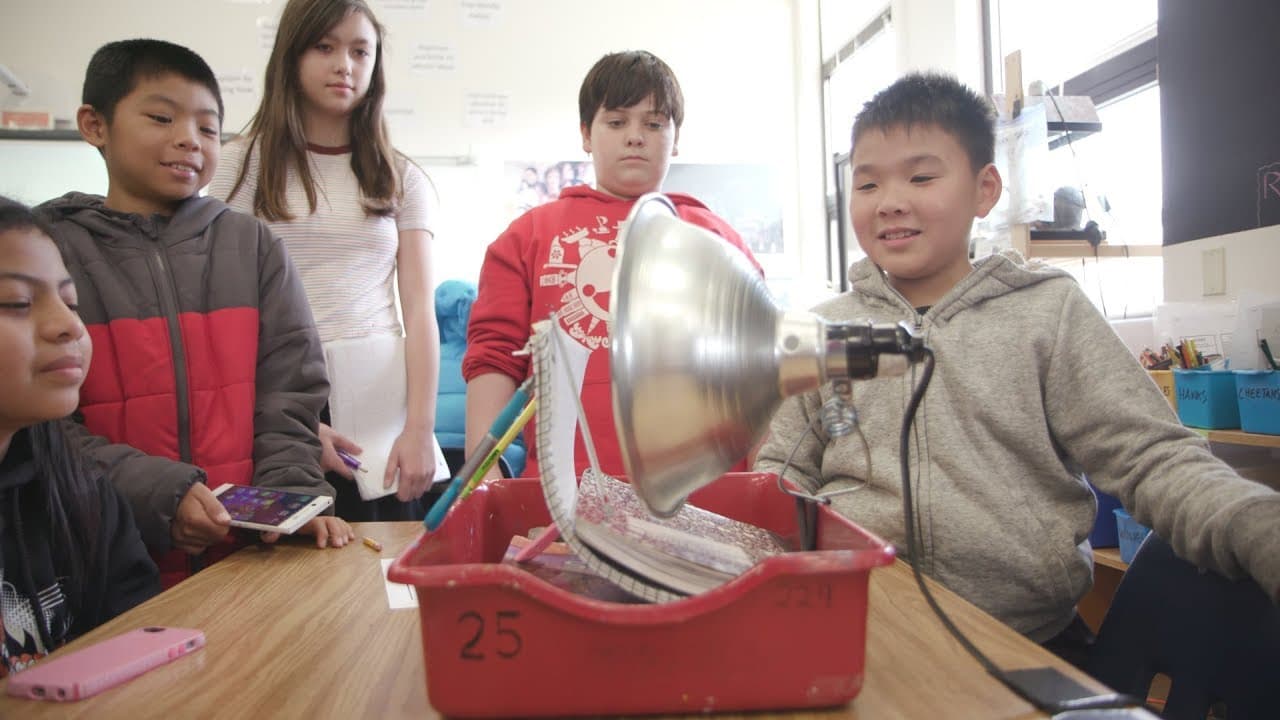
- [Allen-Sanchez] You need to find out which angle shows the largest increase in temperature. You need to design an experiment that shows that. It's a design challenge. - I mean, it's going up. The temperature's going up. - [Student] Oh, my god, really? - [Student] What temperature is it at? - [Holthuis] At the Stanford Center of Assessment, Learni... Read More
Key Insights
- 🧑🎓 Engaging curriculum and interesting projects promote student engagement, choice, and decision-making in science education.
- 🤔 Performance assessments encourage application and critical thinking, moving beyond rote memorization in science learning.
- 💦 Challenging traditional beliefs and stereotypes about science success can be achieved through student discourse and group work.
Install to Summarize YouTube Videos and Get Transcripts
Explore YouTube Video Summarizer or Get YouTube Transcript Extractor
Questions & Answers
Q: How does engaging curriculum and interesting projects benefit student learning in science?
Engaging curriculum and interesting projects provide students with options, choice, and decision-making opportunities, allowing them to take ownership of their learning and apply their knowledge to real-world contexts. This promotes deeper understanding and engagement in science.
Q: How does performance assessment differ from traditional assessments in science education?
Performance assessment measures more than just factual knowledge. It requires students to apply what they have learned to solve problems, make connections, and create a larger product. This type of assessment focuses on real-world applications and challenges students to think critically and use their knowledge in meaningful ways.
Q: How does the teacher-student dynamic change in science classrooms using this curriculum?
The curriculum aims to dispel beliefs about students' science abilities by promoting student discourse and group work. Through collaboration, students challenge their own status and beliefs about science and build a sense of belonging and confidence in their abilities.
Q: How does ongoing professional development contribute to the effectiveness of the curriculum?
Ongoing professional development allows teachers to collaborate, make decisions about their practice, and provide feedback on the curriculum. This feedback helps refine the curriculum and create a more robust learning experience for students.
Summary & Key Takeaways
-
The Stanford Center of Assessment, Learning, and Equity produces curriculum aligned with new standards, engaging students and promoting choice and agency in their learning.
-
The goal is to break the cycle of predictability in science success based on gender and ethnicity through the adoption of a curriculum that challenges traditional science education.
-
Performance assessment measures more than just factual knowledge and encourages students to apply their learning to real-world applications.
Read in Other Languages (beta)
Share This Summary 📚
Summarize YouTube Videos and Get Video Transcripts with 1-Click
Try YouTube Summary with ChatGPT & Claude or YouTube Transcript Generator
Explore More Summaries from Edutopia 📚


Summarize YouTube Videos and Get Video Transcripts with 1-Click
Try YouTube Summary with ChatGPT & Claude or YouTube Transcript Generator