What Is Culturally Responsive Teaching and Why Is It Important?
TL;DR
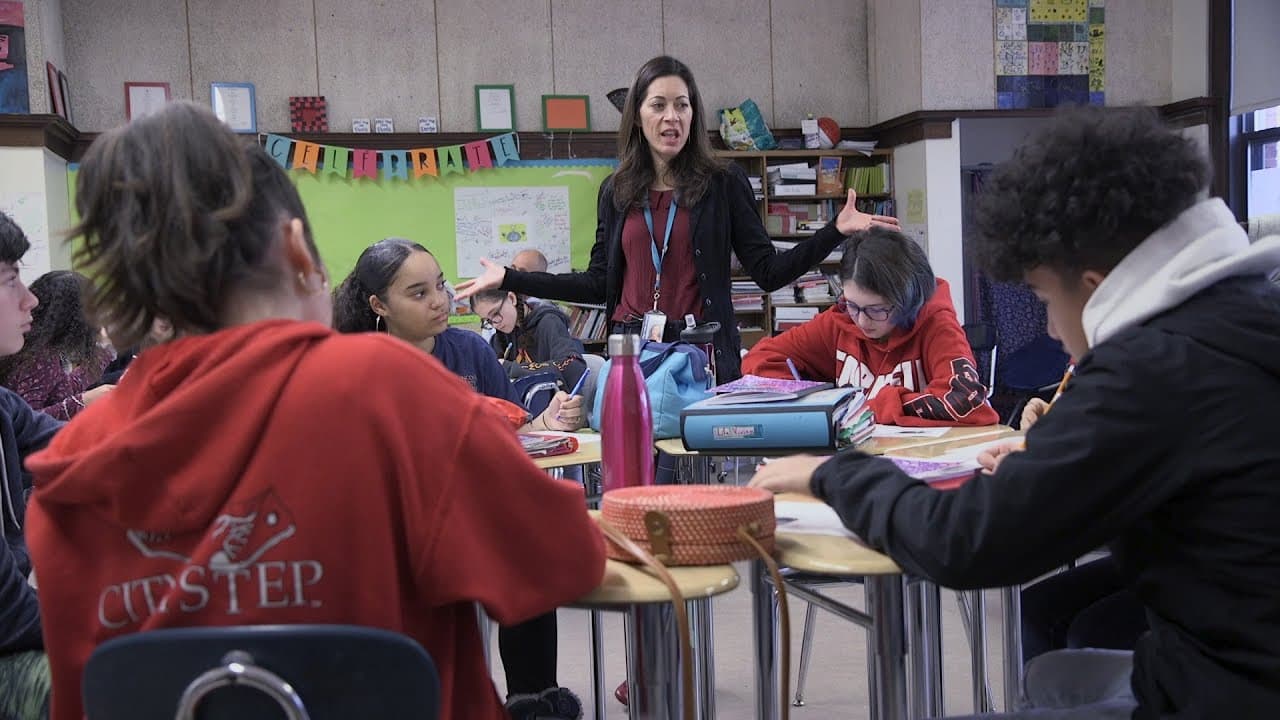
Culturally responsive teaching prioritizes understanding and integrating students' diverse backgrounds into the learning process to create equitable educational opportunities. It involves strategies like learning walks, where educators observe and support each other's efforts, ensuring that every student feels represented and safe in the classroom. This practice requires ongoing commitment from educators to foster inclusive environments.
Transcript
Vionette: [speaking Spanish] >>Sarah: There are no blank slates walking into the classroom. Culturally responsive teaching is capitalizing on all that students bring with them from their personal lives and their home lives. And it's really knowing that student, knowing where he or she is from, and using that to craft the most meaningful and rigor... Read More
Key Insights
- 🧑🎓 Culturally responsive teaching values students' backgrounds for equitable learning outcomes.
- 🚶 Learning walks support educators in implementing and refining culturally responsive strategies.
- 🧑🎓 Student engagement and voice are enhanced through culturally responsive teaching practices.
- 🦺 Culturally responsive teaching is a lifelong dedication for educators to create safe and inclusive learning environments.
- 💁 Forming relationships with students is essential for effective culturally responsive teaching.
- 🧑🎓 Strategies like widening educators' perspectives contribute to equitable outcomes for students.
- 😥 Diversity of access points in instruction promotes student comfort and participation.
Install to Summarize YouTube Videos and Get Transcripts
Explore YouTube Video Summarizer or Get YouTube Transcript Extractor
Questions & Answers
Q: What is culturally responsive teaching?
Culturally responsive teaching acknowledges and values students' diverse backgrounds, incorporating their identities into the learning process for more equitable outcomes.
Q: How do educators at Amigos school support each other's professional growth?
Educators engage in learning walks to observe and provide feedback on implementing culturally responsive strategies, focusing on equitable student participation and relationship-building.
Q: Why is it important for educators to continue dedicating time to culturally responsive teaching?
Culturally responsive teaching is an ongoing process that requires continual dedication to ensure all students feel represented, safe, and respected in their learning environment.
Q: How does culturally responsive teaching contribute to student engagement and voice?
By incorporating students' cultures and identities into instruction, culturally responsive teaching fosters student engagement, diverse voices, and a sense of belonging in the classroom.
Summary & Key Takeaways
-
Culturally responsive teaching at Amigos bilingual school involves utilizing students' backgrounds for meaningful learning.
-
Educators use learning walks to observe and support each other's implementation of new strategies for equitable student participation.
-
The focus is on creating a safe, authentic, and belonging environment for students through diverse instructional approaches.
Read in Other Languages (beta)
Share This Summary 📚
Summarize YouTube Videos and Get Video Transcripts with 1-Click
Try YouTube Summary with ChatGPT & Claude or YouTube Transcript Generator
Explore More Summaries from Edutopia 📚



Summarize YouTube Videos and Get Video Transcripts with 1-Click
Try YouTube Summary with ChatGPT & Claude or YouTube Transcript Generator