What Are the Underground Cities of Cappadocia?
TL;DR
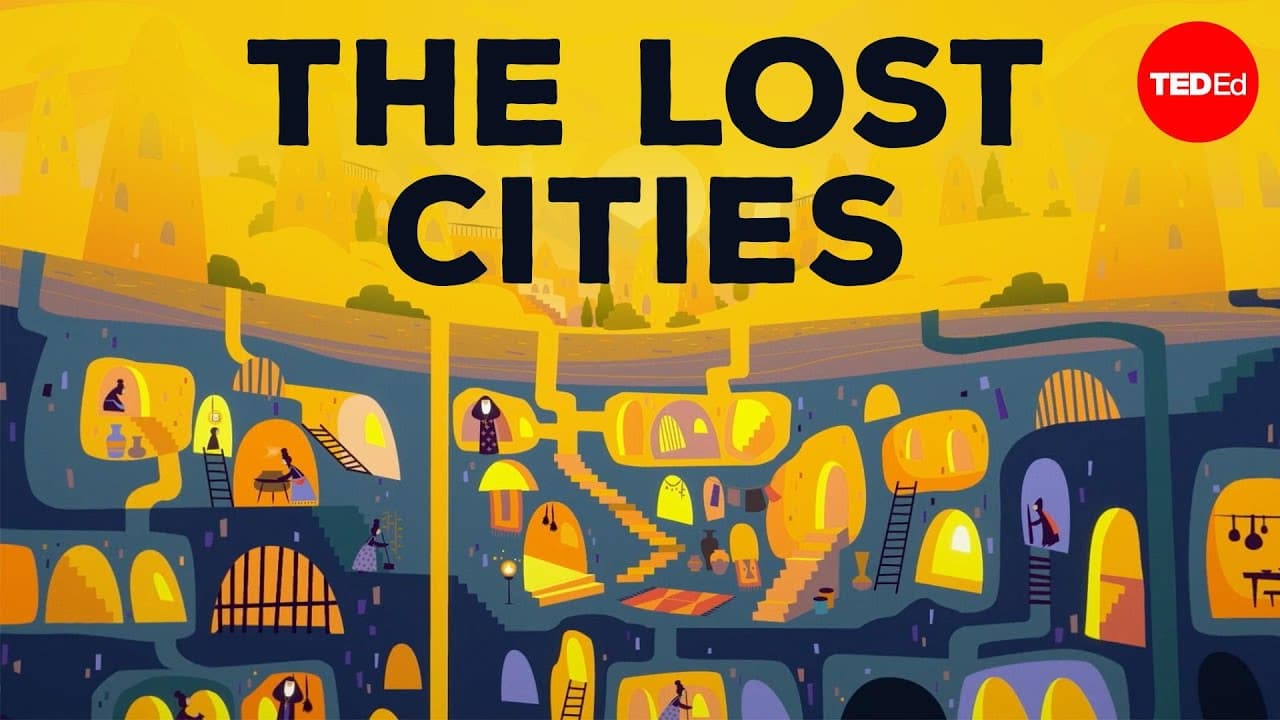
Cappadocia's underground cities, dating back to the Middle Ages, were built for refuge during sieges and showcase advanced engineering. These intricate structures include living spaces, water sources, and ventilation shafts, ensuring comfort during prolonged stays. Today, they are recognized as international heritage sites, attracting researchers and tourists alike.
Transcript
The breathtaking geological formations of Cappadocia present one of the most astonishing landscapes on Earth. Also known as fairy chimneys, these sturdy stone cones were created by massive volcanic eruptions, which poured countless tons of ash across what would eventually become part of central Türkiye. Over millions of years, that volcanic fallout... Read More
Key Insights
- 💨 Cappadocia's fairy chimneys are the result of volcanic ash and erosion over millions of years.
- 🏛️ The underground cities in Cappadocia were built during the Middle Ages for protection during Arab invasions.
- 👾 The underground cities were complex structures with living spaces, water sources, ventilation, and even lavatories.
- 🥶 The region's absorbent volcanic rock helped maintain a dry and odor-free environment in the underground cities.
- 👨🎤 Following the Byzantine Empire securing the region, locals expanded the underground cities into cliffside dwellings and carved churches from the rock.
- ⛪ Cappadocia's underground churches feature vibrant wall paintings depicting Christian iconography.
- 🥡 The Byzantines abandoned the underground cities when the Seljuk and Ottoman Turks took control of the region.
- 🌍 Cappadocia's underground cities are now recognized as international heritage sites and attract tourists and researchers.
Install to Summarize YouTube Videos and Get Transcripts
Explore YouTube Video Summarizer or Get YouTube Transcript Extractor
Questions & Answers
Q: How were the fairy chimneys in Cappadocia formed?
The fairy chimneys were formed through volcanic eruptions, which deposited ash that eventually hardened into ignimbrite. Over time, wind and rain sculpted these formations into their unique shapes.
Q: Why were underground cities built in Cappadocia?
The region was frequently under siege from Arab invaders, leading locals to seek refuge underground. The underground cities provided protection and access to water during lengthy sieges.
Q: Who built the underground cities in Cappadocia?
Initially, it was assumed that Greek-speaking Orthodox Christian monks built these cities due to the presence of Byzantine churches and religious imagery. Further investigation revealed that master masons were responsible for these intricate structures.
Q: What is the significance of the wall paintings in Cappadocia's underground churches?
The wall paintings in Cappadocia's underground churches depict detailed Christian iconography and are considered a significant repository of Byzantine art.
Summary & Key Takeaways
-
Cappadocia's fairy chimneys were formed through volcanic eruptions and sculpted by wind and rain over millions of years.
-
The region is also home to extensive underground cities, dating back to the Middle Ages, that were likely created for protection during Arab invasions.
-
These underground cities were complex structures with living spaces, water sources, ventilation shafts, and even lavatories.
Read in Other Languages (beta)
Share This Summary 📚
Summarize YouTube Videos and Get Video Transcripts with 1-Click
Try YouTube Summary with ChatGPT & Claude or YouTube Transcript Generator
Explore More Summaries from TED-Ed 📚






Summarize YouTube Videos and Get Video Transcripts with 1-Click
Try YouTube Summary with ChatGPT & Claude or YouTube Transcript Generator