Medieval Taverns
TL;DR
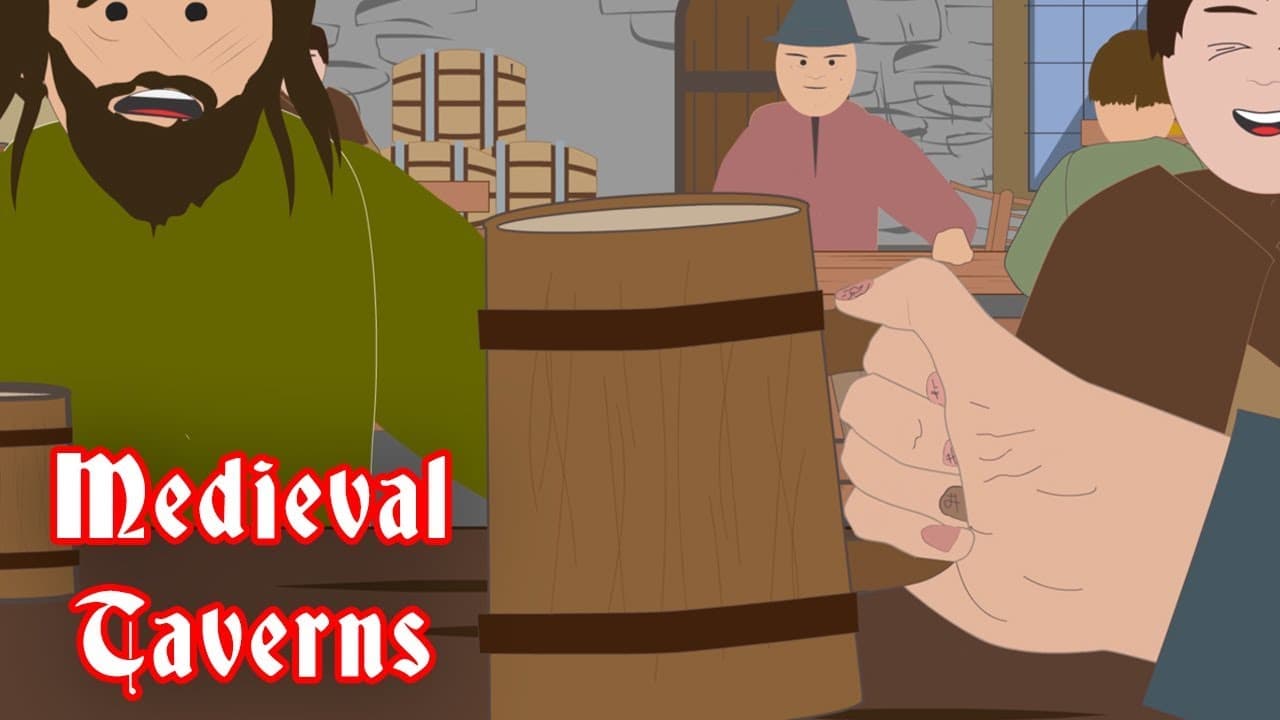
Medieval taverns were socializing hubs where people could relax, socialize, enjoy drinks, gamble, and sometimes indulge in criminal activities.
Transcript
This video is sponsored by WIX go to wix.com/go/simplehistory To create a website now Medieval Tavern - Europe In medieval times taverns were a place to socialise much like today's pubs. Most houses we often small and cramped so the taverns offered a place were friends and neighbours could meet, socialise, relax, amuse and exchange ideas. As well ... Read More
Key Insights
- 👾 Taverns and ale houses were crucial social spaces in medieval Europe, offering respite from cramped homes and opportunities for social interaction.
- 😀 Inns provided essential services for weary travelers, such as food, drink, rest, and stables. They also facilitated trade.
- 🕵️♂️ Churches criticized taverns and ale houses due to their association with immoral activities like drinking, gambling, violence, and crime.
- 🎨 Signs with pictures were introduced in the XIV century to easily identify ale houses and taverns, serving a largely illiterate population.
- 🕵️♂️ Alcohol, including beers, ales, and wines, was a prominent feature of taverns, with cheaper options being more popular among the general population.
- ✋ Wine was a pricier option in taverns and attracted wealthier patrons. It was consumed more regularly in France and imported in England at a higher cost.
- 🏃♀️ Breweries were often run by women, particularly in the early medieval period, and tavern keepers were often indebted to brewers for their supply.
Install to Summarize YouTube Videos and Get Transcripts
Explore YouTube Video Summarizer or Get YouTube Transcript Extractor
Questions & Answers
Q: What was the purpose of taverns and ale houses in medieval times?
Taverns and ale houses served as socializing hubs, providing spaces for relaxation, conversation, and entertainment for local communities, friends, and neighbors.
Q: How did inns cater to weary travelers?
Inns, located near city gates, provided food, drink, rest, and stables for tired travelers, particularly merchants. They also facilitated trading.
Q: Why did churches criticize taverns and ale houses?
Churches criticized these drinking establishments due to their association with drinking, gambling, violence, and criminal activities, which went against religious morality.
Q: How were taverns and ale houses identified before the use of signs?
Before signs, ale houses had an ale stick or ale pole above the door to indicate that they had brewed ale ready and were open for business. Taverns later began using signs with pictures for easy recognition.
Summary & Key Takeaways
-
Taverns provided a socializing space in medieval times, similar to today's pubs, for friends and neighbors to meet, relax, and exchange ideas.
-
Ale houses were more common than taverns, serving home-brewed ale and beer, while inns provided rest, food, and drink for travelers.
-
Churches served as the opposite of taverns, criticizing them for drinking, gambling, violence, and criminal activities.
Read in Other Languages (beta)
Share This Summary 📚
Summarize YouTube Videos and Get Video Transcripts with 1-Click
Try YouTube Summary with ChatGPT & Claude or YouTube Transcript Generator
Explore More Summaries from Simple History 📚





Summarize YouTube Videos and Get Video Transcripts with 1-Click
Try YouTube Summary with ChatGPT & Claude or YouTube Transcript Generator