Justice Committee: Using Restorative Practices to Resolve Conflicts
TL;DR
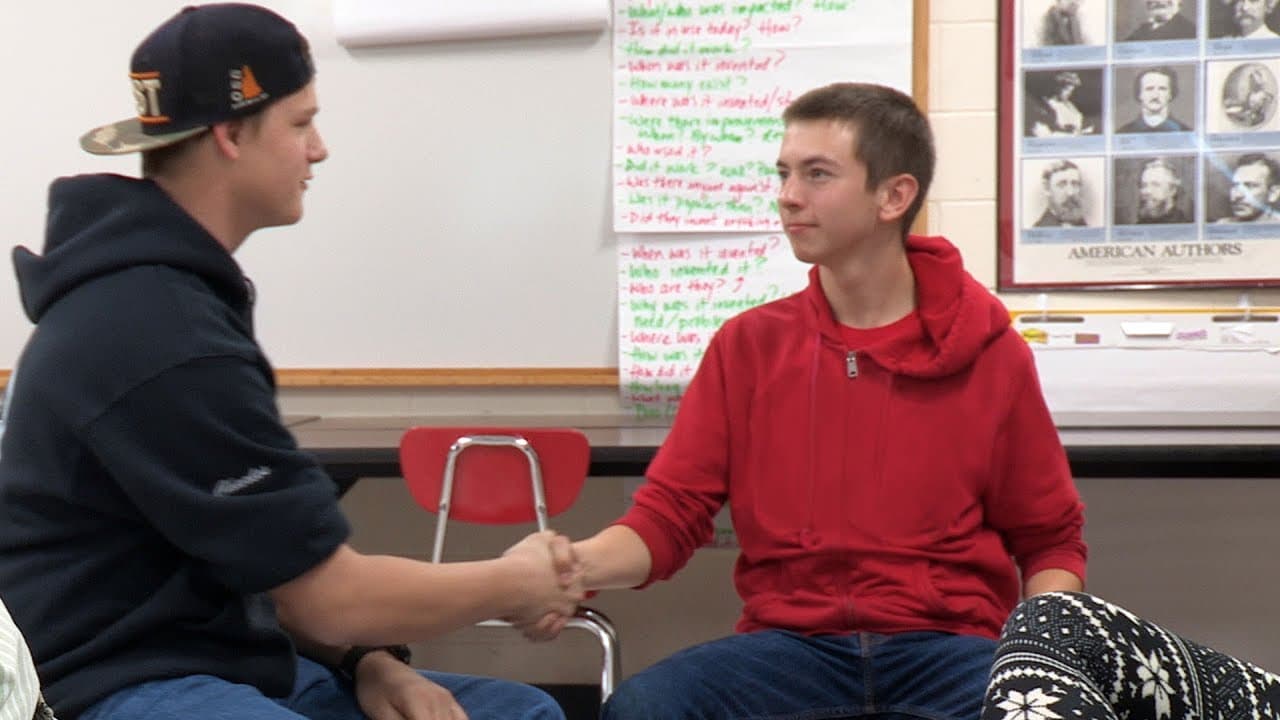
Students practice Restorative Justice to resolve conflicts and take personal responsibility in a school setting.
Transcript
Jenny: But that's not the point. The point isn't who's throwing it. The point is Charles feels like it was a personal attack, and that's why he got angry. >>Mackenzie: From my point of view, Mitchell's not intending to hit you with the frisbee. >>Kianna: So you see how reacting in the way you did affected Mitchell. >>Charles: Yeah, I can see that... Read More
Key Insights
- 👨🏫 Restorative Justice in schools teaches personal responsibility and resolution of issues peacefully.
- 🆘 The Justice Committee helps mediate conflicts and avoid traditional disciplinary methods.
- 🧑🎓 Implementing mock mediations and training provides students with the skills to resolve conflicts.
- ❓ Understanding different roles and perspectives is crucial in conflict resolution.
- ❓ Emphasizing empathy and understanding in conflict resolution is essential.
- 🥳 Encouraging parties to apologize and understand each other's perspectives leads to resolutions.
- 🥳 The focus is on providing what the affected party needs rather than punishing the responsible party.
Install to Summarize YouTube Videos and Get Transcripts
Explore YouTube Video Summarizer or Get YouTube Transcript Extractor
Questions & Answers
Q: What is Restorative Justice in schools?
Restorative Justice in schools emphasizes resolving conflicts by taking personal responsibility and understanding the impact of actions on others, promoting conflict resolution and learning to fix issues.
Q: How does the Justice Committee function in the school setting?
The Justice Committee, with students and faculty members, mediates conflicts in a restorative way, avoiding suspensions and detentions by teaching students how to resolve issues and mediate conflicts.
Q: What role does training play in implementing Restorative Justice programs?
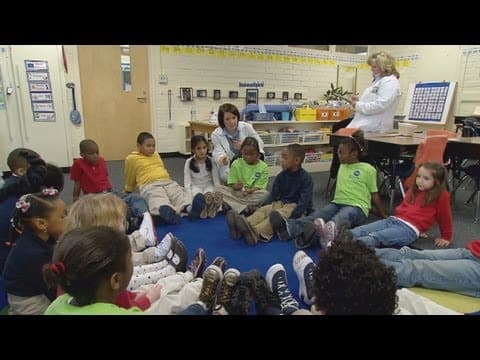
Training involves mock mediations to practice different roles and perspectives, focusing on probing questions and discussion to help students understand and resolve conflicts peacefully.
Q: Why is it important for both parties to see each other's sides in conflict resolution?
Understanding both sides helps in resolving issues effectively as it allows parties to empathize with each other's perspectives, leading to apologies, acceptance, and a peaceful resolution.
Summary & Key Takeaways
-
Restorative Justice in schools teaches students conflict resolution, personal responsibility, and how to resolve their own issues.
-
The Justice Committee, made up of students and faculty, helps mediate conflicts and avoid traditional discipline methods.
-
Students practice mock mediations to understand different roles and perspectives in resolving issues peacefully.
Read in Other Languages (beta)
Share This Summary 📚
Summarize YouTube Videos and Get Video Transcripts with 1-Click
Try YouTube Summary with ChatGPT & Claude or YouTube Transcript Generator
Explore More Summaries from Edutopia 📚
Summarize YouTube Videos and Get Video Transcripts with 1-Click
Try YouTube Summary with ChatGPT & Claude or YouTube Transcript Generator