What Are AI Agents and How Will They Transform Workflows?
TL;DR
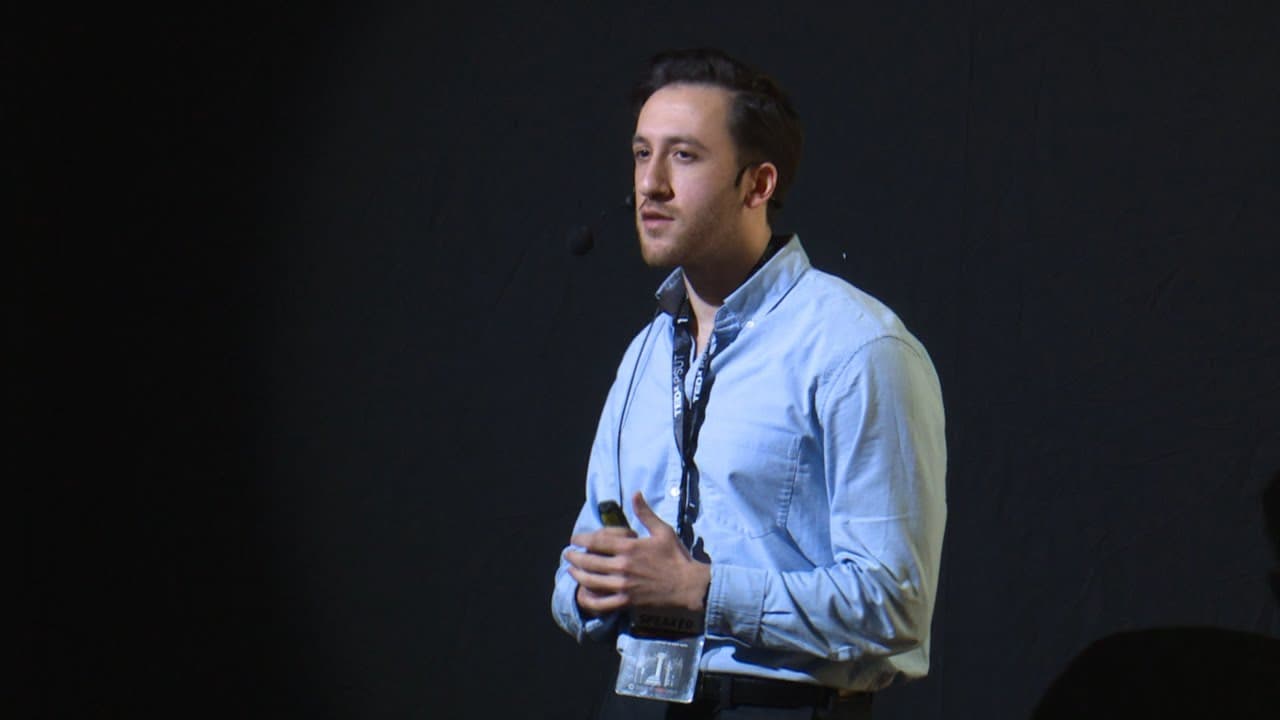
AI agents are autonomous systems that can plan, execute, and manage tasks with minimal human input, revolutionizing industries by automating complex workflows. With the emergence of large language models like ChatGPT, these agents can now understand natural language, allowing them to use various tools to complete tasks efficiently, such as web development and data analysis, without needing extensive technical knowledge.
Transcript
about six years ago I was approaching the end of my master's degree in Ai and despite studying a variety of different projects involving machine learning genetic algorithms and even generative AI I couldn't help but feel like we were still so far away from creating true intelligence with computers yes Ai and more specifically machine learning has b... Read More
Key Insights
- 🌥️ The release of GPT-3 showcased the potential for large language models to exhibit intelligence and versatility.
- 💁 Language models like ChatGPT have limitations, including hallucinations, outdated information, and struggles with basic math, but these limitations mirror human imperfections.
- 💢 Agents represent a new era of automation, capable of automating tasks without human intervention by planning actions, utilizing tools, and delivering outputs.
- 🕸️ Agents have the potential to revolutionize fields such as web development, data analysis, and travel planning by democratizing technical skills and lowering barriers to innovation.
Install to Summarize YouTube Videos and Get Transcripts
Explore YouTube Video Summarizer or Get YouTube Transcript Extractor
Questions & Answers
Q: What were some AI limitations prior to the development of large language models like GPT-3?
AI had been limited to specific tasks and lacked the ability to generalize across different tasks. It struggled with reasoning, understanding natural language, and performing basic math.
Q: How do language models like ChatGPT contribute to the development of intelligent agents?
Language models like ChatGPT serve as the foundation for agents by enabling them to understand natural language requests, plan tasks, execute actions using various tools, and provide outputs.
Q: How do agents differ from traditional human-computer interactions?
Agents automate end-to-end workflows without constant human input, leveraging their ability to plan, reflect, and utilize tools. Users describe tasks and goals to agents, which independently execute them using the appropriate tools.
Q: What are some examples of existing agents?
Microsoft's co-pilot assists with spreadsheet analysis, Shopify's sidekick helps build websites, and ChatGPT itself offers a catalog of agents. These are just the start, as more businesses are likely to incorporate agents in their products and services.
Summary & Key Takeaways
-
OpenAI's release of GPT-3 marked a significant advancement in AI, showcasing the potential for large language models to exhibit signs of intelligence.
-
While language models like ChatGPT have limitations and can make mistakes, they can reason, recognize patterns, and complete various tasks using natural language.
-
The concept of agents, autonomous AI entities capable of planning, reflecting, and utilizing tools for end-to-end automation, is becoming a reality, revolutionizing industries such as web development, data analysis, and travel planning.
Read in Other Languages (beta)
Share This Summary 📚
Summarize YouTube Videos and Get Video Transcripts with 1-Click
Try YouTube Summary with ChatGPT & Claude or YouTube Transcript Generator
Explore More Summaries from TEDx Talks 📚



Summarize YouTube Videos and Get Video Transcripts with 1-Click
Try YouTube Summary with ChatGPT & Claude or YouTube Transcript Generator