How To Train After Recovering From An Illness
TL;DR
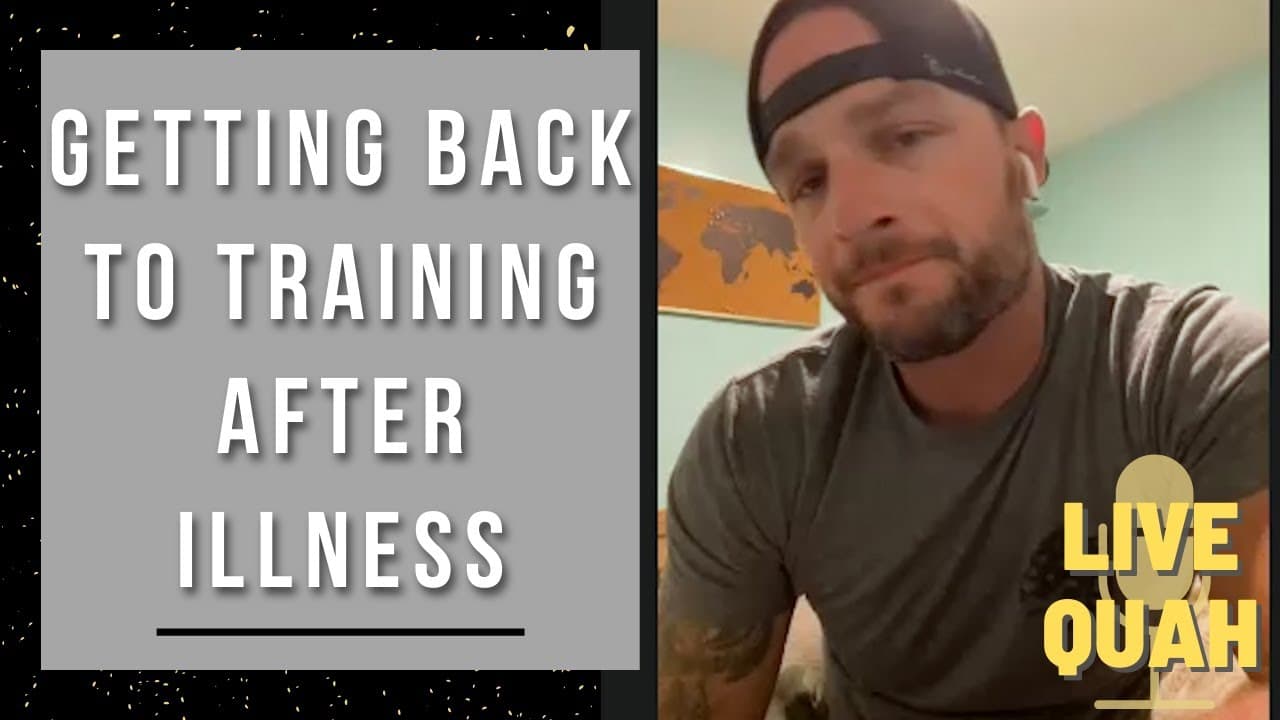
This video explains how to safely return to exercise after recovering from an illness like COVID-19. It emphasizes the importance of balancing the risks of overdoing it against the potential setbacks of underdoing it. The guidance includes starting with light activities, paying attention to inflammation, and gradually increasing intensity while considering personal health and fitness goals.
Transcript
our next caller is micah from florida hey what's up micah how can we help you hey guys i love the content just want to say thanks first so what i got going on is i've kind of run into a string of bad luck i guess you could say i got i got sick um probably uh six weeks ago wasn't covered it was some probably daycare bug um recovered from that after ... Read More
Key Insights
- After recovering from an illness, it's crucial to balance the risks of overdoing exercise with the risks of underdoing it to avoid setbacks or injuries.
- Starting with light cardiovascular activities, such as walking or easy biking, can help ease back into a fitness routine without overwhelming the body.
- Incorporating light resistance training with a focus on full range of motion can aid in regaining strength and coordination without risking fatigue.
- Post-illness, addressing inflammation through nutrition and supplements, such as fish oil and reduced carbohydrates, may help mitigate long COVID symptoms.
- Gradually increasing exercise intensity over three to four weeks allows the body to adapt and recover muscle memory without undue stress.
- Using the recovery period as an opportunity to focus on neglected areas, such as stability, posture, or mobility, can enhance overall fitness.
- Listening to the body's response to exercise, such as feeling energized or fatigued, is key to determining the appropriate level of activity.
- Taking advantage of this time to set new fitness goals or address specific weaknesses can lead to long-term improvements in physical health.
Install to Summarize YouTube Videos and Get Transcripts
Explore YouTube Video Summarizer or Get YouTube Transcript Extractor
Questions & Answers
Q: What is the main advice for returning to exercise after an illness?
The main advice is to start with light activities and gradually increase intensity. It is important to balance the risk of overdoing it, which can lead to setbacks, with the risk of underdoing it, which may slow progress. Light cardiovascular and resistance training are recommended to ease back into a routine.
Q: Why is it important to pay attention to inflammation post-illness?
Paying attention to inflammation is important because lingering inflammation can contribute to long COVID symptoms. Adjusting nutrition and supplements, such as increasing fish oil intake and reducing carbohydrates, can help manage inflammation and support recovery, ensuring a smoother transition back to regular exercise routines.
Q: How can someone use the recovery period to improve their fitness?
The recovery period can be used to focus on neglected areas such as stability, posture, or mobility. This is an opportunity to set new fitness goals and address specific weaknesses, which can lead to long-term improvements in overall physical health and performance once regular training resumes.
Q: What role does muscle memory play in returning to exercise?
Muscle memory plays a significant role in returning to exercise as it allows the body to quickly regain strength and coordination with minimal training. By gradually increasing exercise intensity, individuals can take advantage of muscle memory to efficiently return to their pre-illness fitness levels without overexertion.
Q: Why is listening to the body's response to exercise important?
Listening to the body's response is crucial because it provides feedback on whether the current level of activity is appropriate. Feeling energized after exercise indicates a suitable intensity, while feeling fatigued suggests the need to reduce intensity. This feedback helps in safely adjusting the exercise routine.
Q: What types of exercises are recommended initially post-recovery?
Initially, light cardiovascular activities such as walking or easy biking are recommended. Light resistance training focusing on full range of motion exercises is also suggested. These activities help in gradually reintroducing physical activity without overwhelming the body, allowing for a safe and effective recovery process.
Q: How can nutrition support recovery from illness?
Nutrition can support recovery by addressing inflammation, which is often a lingering issue post-illness. Consuming anti-inflammatory foods and supplements, such as fish oil, and reducing carbohydrate intake can help manage inflammation and support overall recovery, facilitating a smoother transition back to regular exercise.
Q: What is the suggested timeline for increasing exercise intensity post-recovery?
The suggested timeline for increasing exercise intensity is over three to four weeks. This gradual approach allows the body to adapt and recover muscle memory without undue stress, ensuring a safe return to pre-illness fitness levels. It also helps in preventing potential setbacks or injuries.
Summary & Key Takeaways
-
The video provides guidance on resuming exercise after recovering from an illness like COVID-19. It emphasizes starting with light activities, such as walking or easy biking, to gradually ease back into a routine while avoiding the risks of overexertion.
-
It is suggested to focus on light resistance training with full range of motion exercises and to pay attention to the body's response to physical activity. Nutrition and supplements that address inflammation can also aid in recovery.
-
The speakers recommend using this recovery period to address neglected areas like stability and posture, setting new fitness goals, and gradually increasing exercise intensity over several weeks to regain strength and endurance.
Read in Other Languages (beta)
Share This Summary 📚
Summarize YouTube Videos and Get Video Transcripts with 1-Click
Try YouTube Summary with ChatGPT & Claude or YouTube Transcript Generator
Explore More Summaries from Mind Pump Show 📚
Summarize YouTube Videos and Get Video Transcripts with 1-Click
Try YouTube Summary with ChatGPT & Claude or YouTube Transcript Generator