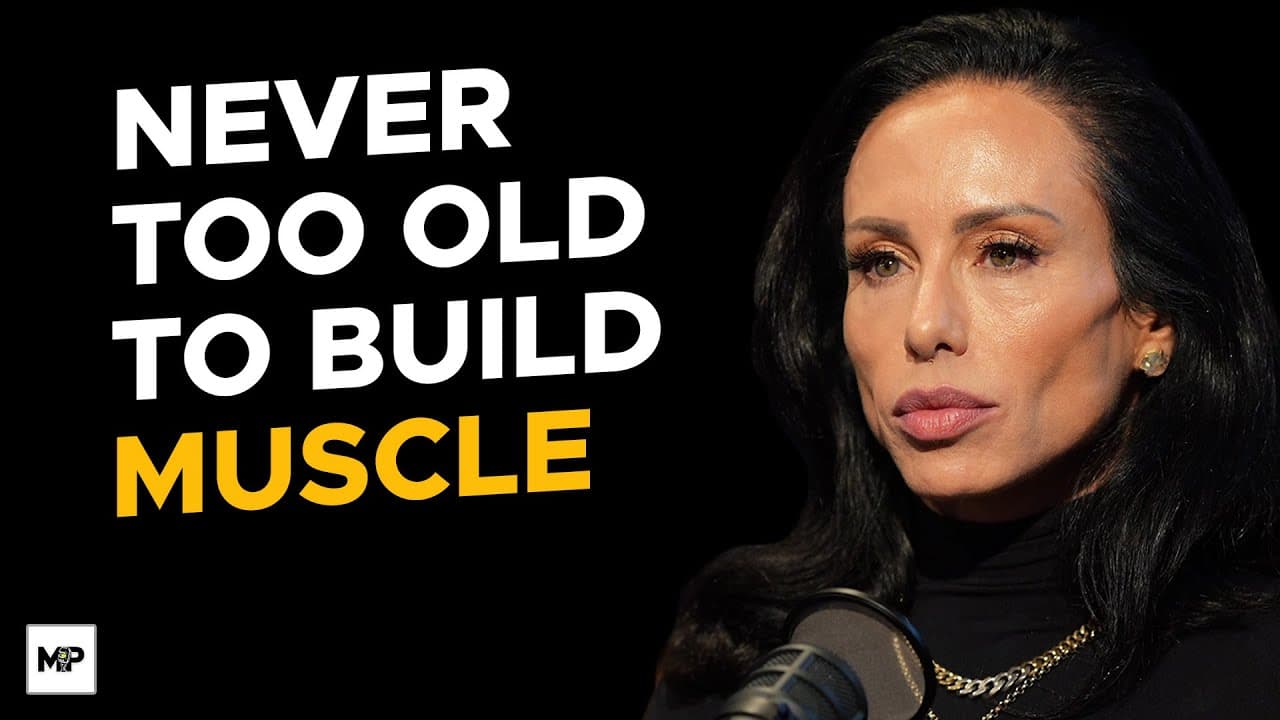
How Muscle Health Impacts Longevity: Dr. Gabrielle Lyon
TL;DR
Muscle health is crucial for longevity and overall well-being. Dr. Gabrielle Lyon emphasizes the importance of muscle-centric medicine, arguing that we are more under-muscled than overfat. Healthy muscle improves metabolism and insulin sensitivity, and strength training can significantly benefit even the elderly. The discussion also covers the potential of GLP-1 agonists and peptides in enhancing muscle health and reducing obesity-related risks.
Transcript
this is mind pup all right today's episode we brought back one of our favorite guests Dr Gabrielle Lion now she is at the Forefront of what is called muscle Centric medicine in other words we're not overfat we're under muscled in today's episode we talk all about muscle and how important it is for health how important it is for your metabolism and ... Read More
Key Insights
- Muscle-centric medicine focuses on the importance of muscle health over fat reduction.
- Healthy muscle differs from unhealthy muscle in its metabolic and structural properties.
- Strength training is beneficial at any age and can help maintain muscle mass in the elderly.
- Dietary protein is crucial for muscle health, and plant-based diets may not provide adequate protein quality.
- GLP-1 agonists, like semaglutide, show promise in reducing obesity and improving metabolic health.
- Peptides such as BPC-157 can aid in muscle recovery and gastrointestinal health.
- Ultrasound technology can assess muscle health by measuring muscle thickness and glycogen content.
- Exercise and muscle health are critical for cognitive function and preventing metabolic diseases.
Install to Summarize YouTube Videos and Get Transcripts
Explore YouTube Video Summarizer or Get YouTube Transcript Extractor
Questions & Answers
Q: How does muscle health impact overall longevity?
Muscle health significantly impacts longevity by enhancing metabolic function, improving insulin sensitivity, and reducing the risk of age-related diseases. Healthy muscle tissue supports better glucose utilization and can counteract the inflammatory effects of excess body fat, contributing to a longer, healthier life.
Q: What is muscle-centric medicine?
Muscle-centric medicine is an approach that prioritizes the health and function of muscle tissue over fat reduction. It posits that many health issues stem from being under-muscled rather than overfat, and emphasizes the role of muscle in metabolism, hormone regulation, and overall health.
Q: Why is strength training important for the elderly?
Strength training is crucial for the elderly as it helps maintain muscle mass, strength, and function, which are vital for mobility and independence. It also positively affects metabolic health, reducing the risk of diseases like diabetes and osteoporosis, and can improve cognitive function.
Q: What are the concerns with plant-based diets regarding muscle health?
Plant-based diets may not provide adequate protein quality or quantity necessary for optimal muscle health. Animal proteins are more bioavailable and contain essential nutrients like iron and B12, which are crucial for maintaining muscle mass and preventing deficiencies that can affect overall health.
Q: How do GLP-1 agonists like semaglutide aid in weight management?
GLP-1 agonists, such as semaglutide, aid in weight management by enhancing insulin sensitivity and promoting a feeling of fullness, leading to reduced calorie intake. They have shown promise in reducing body weight and improving metabolic parameters, making them effective in managing obesity and related conditions.
Q: What role do peptides play in muscle health?
Peptides like BPC-157 play a role in muscle health by promoting tissue repair, reducing inflammation, and supporting recovery from injuries. They can also aid in gastrointestinal health, further contributing to overall well-being and enhancing the body's ability to maintain healthy muscle tissue.
Q: How can ultrasound technology assess muscle health?
Ultrasound technology can assess muscle health by measuring muscle thickness and glycogen content. This non-invasive method provides insights into the structural and functional status of muscle tissue, helping to identify potential issues and track changes over time as part of a comprehensive health assessment.
Q: What is the relationship between exercise and cognitive function?
Exercise, particularly strength training, positively impacts cognitive function by enhancing blood flow, reducing inflammation, and promoting the release of brain-derived neurotrophic factor (BDNF), which supports neurogenesis and cognitive health. Regular physical activity helps maintain brain function and may reduce the risk of cognitive decline.
Summary & Key Takeaways
-
Muscle health plays a pivotal role in overall health and longevity. Dr. Gabrielle Lyon advocates for a muscle-centric approach to medicine, emphasizing that muscle health impacts metabolism, insulin sensitivity, and cognitive function. Strength training is highlighted as beneficial across all ages, even for the elderly.
-
The video discusses the limitations of plant-based diets in providing adequate protein for muscle health. It also explores the potential of GLP-1 agonists like semaglutide in treating obesity and improving metabolic health, alongside the use of peptides for muscle recovery and health.
-
Innovations in assessing muscle health, such as using ultrasound to measure muscle thickness and glycogen content, are highlighted. The conversation underscores the importance of exercise and muscle health in preventing metabolic diseases and maintaining cognitive function.
Read in Other Languages (beta)
Share This Summary 📚
Summarize YouTube Videos and Get Video Transcripts with 1-Click
Try YouTube Summary with ChatGPT & Claude or YouTube Transcript Generator
Explore More Summaries from Mind Pump Show 📚





Summarize YouTube Videos and Get Video Transcripts with 1-Click
Try YouTube Summary with ChatGPT & Claude or YouTube Transcript Generator