The tragic story of this famous meteorite
TL;DR
American explorer Peary's actions led to tragedy for the Inughuit.
Transcript
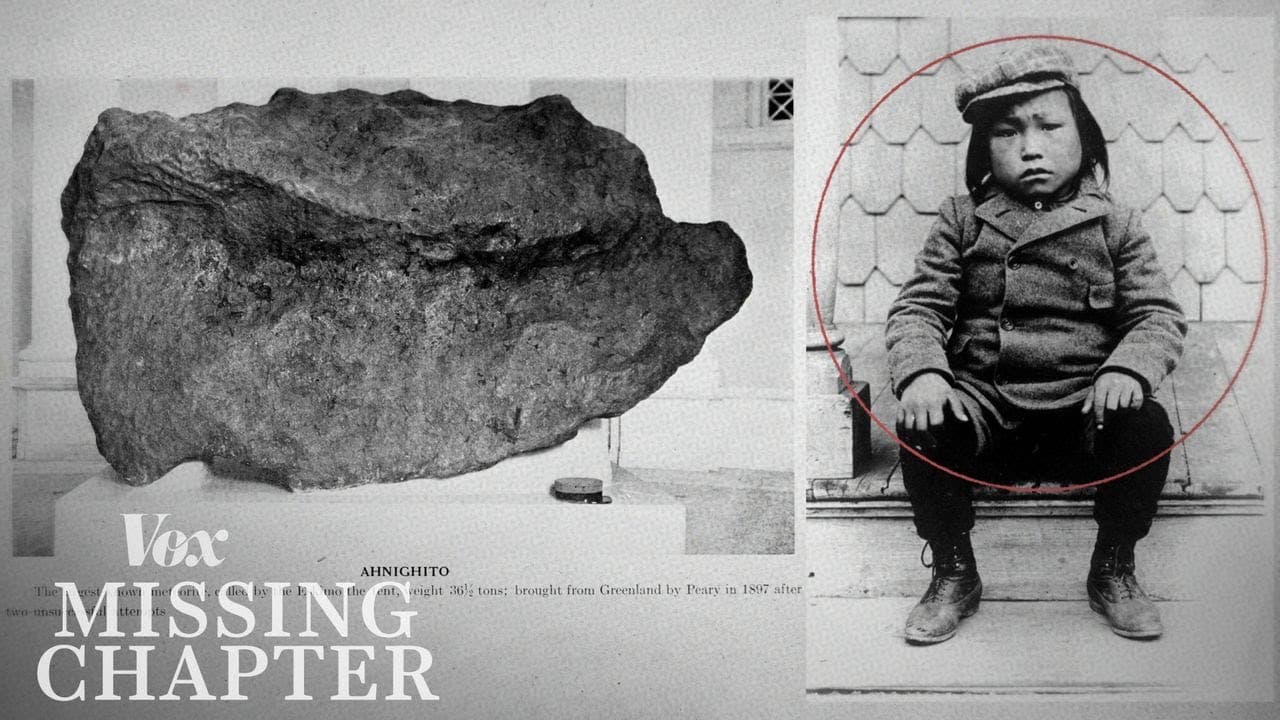
Inside the American Museum of Natural History in New York is this enormous iron meteorite. It crashed into Earth here in northwest Greenland around 10,000 years ago as a piece of space debris. And for centuries was used to make metal-tipped tools and weapons by a small tribe of indigenous Greenlanders, the Inughuit. Until an American explorer seeki... Read More
Key Insights
- The Inughuit relied on meteoric iron for survival in the harsh Arctic environment, using it for tools and weapons before European contact.
- American explorer Robert Peary took a massive iron meteorite from the Inughuit, transporting it to New York for the American Museum of Natural History.
- Peary convinced six Inughuit to travel to New York under false promises of wealth and return, leading to tragic outcomes for the group.
- Four of the six Inughuit died from diseases shortly after arriving in New York, highlighting the devastating impact of exposure to new environments and pathogens.
- Minik, the young son of one of the deceased Inughuit, was left alone in New York, facing cultural dislocation and the loss of his family.
- Minik's discovery of the museum's deceit regarding his father's remains fueled his lifelong struggle for justice and cultural recognition.
- The American Museum of Natural History kept the remains of the deceased Inughuit for nearly a century before returning them to Greenland in 1993.
- Despite the tragic history, the meteorite remains a prominent exhibit at the museum, with minimal acknowledgment of the Inughuit's story.
Install to Summarize YouTube Videos and Get Transcripts
Explore YouTube Video Summarizer or Get YouTube Transcript Extractor
Questions & Answers
Q: What was the significance of the meteorite to the Inughuit?
The meteorite was a crucial resource for the Inughuit, providing them with a rare source of iron in the harsh Arctic environment. They used this iron to create essential tools and weapons, which were vital for their survival. The presence of the meteorite enabled them to thrive in an otherwise inhospitable region.
Q: How did Robert Peary convince the Inughuit to travel to New York?
Robert Peary convinced the Inughuit to travel to New York by promising them wealth in the form of guns and tools, as well as a return to their homeland within a year. He assured them they would be well taken care of by the American Museum of Natural History, but these promises were ultimately false.
Q: What happened to the Inughuit after they arrived in New York?
After arriving in New York, the Inughuit were forced to live in poor conditions at the American Museum of Natural History. They quickly fell ill due to exposure to the warmer climate and diseases for which they had no immunity. Tragically, four of them died within months, leaving only Minik and one other survivor.
Q: How did Minik discover the truth about his father's remains?
Minik discovered the truth about his father's remains through a series of inquiries and investigations. He learned that the museum had lied about burying his father, Qisuk, and had instead dissected and preserved his remains for study. This revelation fueled Minik's public campaign for justice and the return of his father's body.
Q: What actions did Minik take to seek justice for his father's remains?
Minik took several actions to seek justice for his father's remains, including publicly pleading with the American Museum of Natural History to return them. He shared his story with newspapers and called on Robert Peary to assist in his return to Greenland. Despite his efforts, the museum initially refused to comply, and it took decades for the remains to be returned.
Q: How did the American Museum of Natural History eventually respond to the Inughuit's story?
The American Museum of Natural History eventually responded to the Inughuit's story by returning the remains of the four deceased Inughuit to Greenland in 1993, following renewed public pressure and advocacy by author Kenn Harper. However, the museum's acknowledgment of its role in the tragedy and its broader collection practices has been limited and slow to evolve.
Q: What legacy does the meteorite hold in the museum today?
Today, the meteorite remains a prominent exhibit at the American Museum of Natural History, described as the largest meteorite in captivity. Despite its historical significance, the exhibit offers minimal acknowledgment of the Inughuit's story or the ethical implications of its acquisition, reflecting ongoing debates about the representation of indigenous histories in museums.
Q: What impact did Minik's story have on historical narratives and museum practices?
Minik's story has highlighted the ethical challenges in museum practices and the representation of indigenous peoples in historical narratives. It has spurred discussions about restitution, cultural sensitivity, and the need for museums to address past injustices. His story underscores the importance of acknowledging and rectifying historical wrongs, particularly in the context of cultural artifacts and human remains.
Summary & Key Takeaways
-
In 1897, explorer Robert Peary took a massive iron meteorite from the Inughuit in Greenland, bringing it to New York along with six Inughuit, promising them wealth and a return home. The story unfolds with tragic consequences for the Inughuit, highlighting exploitation and cultural loss.
-
Peary's actions led to the deaths of four of the Inughuit due to disease, leaving a young boy, Minik, alone in New York. Minik discovered the museum's deception regarding his father's remains, which fueled his public campaign for their return and justice for his people.
-
The American Museum of Natural History retained the remains of the Inughuit for decades, only returning them in 1993. The meteorite remains a key exhibit, with little acknowledgment of the Inughuit's sacrifice, illustrating the ongoing struggle for recognition and restitution in historical narratives.
Read in Other Languages (beta)
Share This Summary 📚
Summarize YouTube Videos and Get Video Transcripts with 1-Click
Try YouTube Summary with ChatGPT & Claude or YouTube Transcript Generator
Explore More Summaries from Vox 📚



Summarize YouTube Videos and Get Video Transcripts with 1-Click
Try YouTube Summary with ChatGPT & Claude or YouTube Transcript Generator