The radical beauty of Africa, in portraits | Iké Udé
TL;DR
The content describes the artist's experience working with the Guggenheim Museum, his exploration of African representation, and the impact of Nollywood on changing perceptions of Africa.
Transcript
In 1996, I was commissioned by the Guggenheim Museum to execute a large body of work called "Uses of Evidence." It was a cube -- a very well large cube, at that. Each side had a window in order for the spectators to view the interior of the structure. The exterior of the structure was a collage of Africa and Africans as portrayed in the Western med... Read More
Key Insights
- 🌍 The media's portrayal of Africa and Africans has not changed much over the years, often depicting them as primitive or animalistic.
- 📷 The artist's passion for photography began in childhood, influenced by professional photoshoots and experimentation with self-portraits.
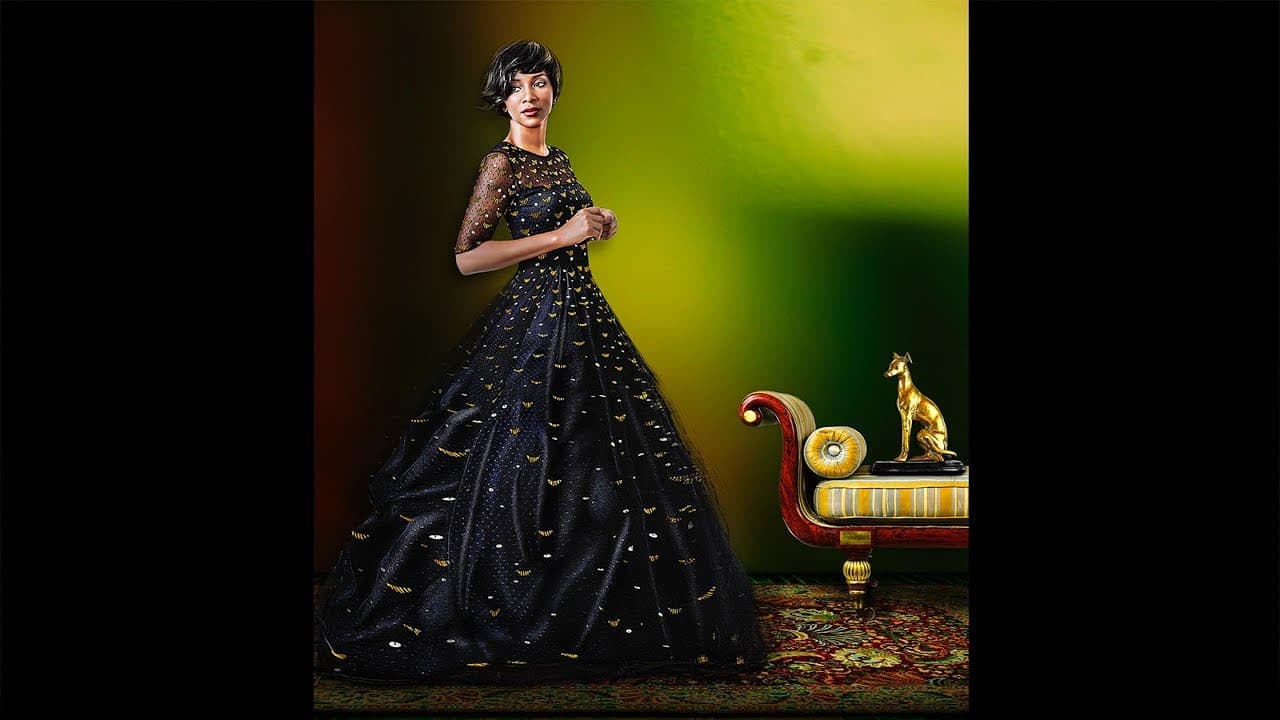
- 📚 The "Cover Girl" series reimagines magazine covers by representing Africans in unexpected yet reasonable ways, challenging stereotypes.
- 🎭 The "Sartorial Anarchy" series combines costumes from different traditions and cultures, celebrating their differences and finding harmony.
- 🌈 The artist began exploring the possibilities of color in photography, including its emotional values and poetic allure.
- 📽️ Nollywood, the Nigerian film industry, is portrayed as a school of African filmmakers who tell African stories with complexity and diversity.
- 👑 The artist captures the personalities of Nollywood stars through carefully directed portraits, using symbolism and color to enhance their presence.
- 🌍 Nollywood represents a new phase of Africa, showcasing modernity, boldness, and a positive image of Africans that should be perpetuated.
Install to Summarize YouTube Videos and Get Transcripts
Explore YouTube Video Summarizer or Get YouTube Transcript Extractor
Questions & Answers
Q: What was the purpose of the large cube artwork called "Uses of Evidence" commissioned by the Guggenheim Museum in 1996?
The purpose of the "Uses of Evidence" artwork was to challenge the portrayal of Africa and Africans in Western media and literature. It featured a collage of images on the exterior representing how Africa is commonly depicted as primitive or animalistic, while the interior showcased tranquil and civilized images of African family members, friends, and professionals.
Q: How did the artist's childhood experiences shape their passion for photography?
The artist's childhood experiences, including being regularly photographed by a professional photographer and experimenting with self-portraiture using Polaroid cameras, fueled their passion for photography. These early encounters with the medium and expressing oneself through images paved the way for their later artistic practice.
Q: What was the concept behind the "Cover Girl" series and how was it received?
The concept behind the "Cover Girl" series was to reimagine magazine covers with unexpected yet reasonable imagery to represent Africans in a more complex manner. This series received critical acclaim in the US and Europe, becoming part of school anthologies at universities and colleges.
Q: How did the artist incorporate disparate traditions and costumes in the "Sartorial Anarchy" series?
In the ongoing "Sartorial Anarchy" series, the artist mixed costumes from different traditions, countries, and time frames. By combining these elements, they created images that celebrated the harmonious coexistence of seemingly irreconcilable differences, showcasing the possibilities of unity through cultural diversity.
Q: What significance does Nollywood hold in African storytelling and representation?
Nollywood, the Nigerian film industry, holds great significance as it grants African filmmakers the power to tell African stories. Through various genres, Nollywood portrays Nigerians with multi-layered complexities, showcasing different archetypes and vibrant characters. It serves as Africa's mirror, defying the frozen and safari-like portrayal of the continent prevalent in Western media.
Q: How did the artist approach photographing the Nollywood personalities?
The artist approached photographing the 64 Nollywood personalities by directing each portrait meticulously. They guided the subjects' posture, gaze, gestures, and overall expression to convey their unique presence. The portraits captured the essence of the personalities, using various techniques such as color and composition to create harmonious frames.
Q: How does the artist believe Nollywood can reshape the image of Africa?
The artist believes that Nollywood can reshape the image of Africa by showcasing the varied and complex realities of Africans. As Africans recognize and relate to these representations, they can propagate a positive image of themselves, just as Hollywood has done for the West. By beautifying Africa through photography and storytelling, the artist aims to contribute to this transformation.
Summary & Key Takeaways
-
The artist describes his work "Uses of Evidence" which challenged Western media's portrayal of Africa and Africans as primitive, showing both the exterior and interior images of African life.
-
He discusses his early experiences with photography, including his first major work "Cover Girl" which reimagined magazine covers to represent Africans in a more complex manner.
-
The artist explains his ongoing series "Sartorial Anarchy" where he mixes costumes from different cultures and eras to celebrate their differences and bring harmony to them. He also discusses his recent project photographing Nollywood personalities and how Nollywood is reshaping the image of Africa.
Read in Other Languages (beta)
Share This Summary 📚
Summarize YouTube Videos and Get Video Transcripts with 1-Click
Try YouTube Summary with ChatGPT & Claude or YouTube Transcript Generator
Explore More Summaries from TED 📚




Summarize YouTube Videos and Get Video Transcripts with 1-Click
Try YouTube Summary with ChatGPT & Claude or YouTube Transcript Generator