How Did Boston Reduce Youth Violence by 79%?
TL;DR
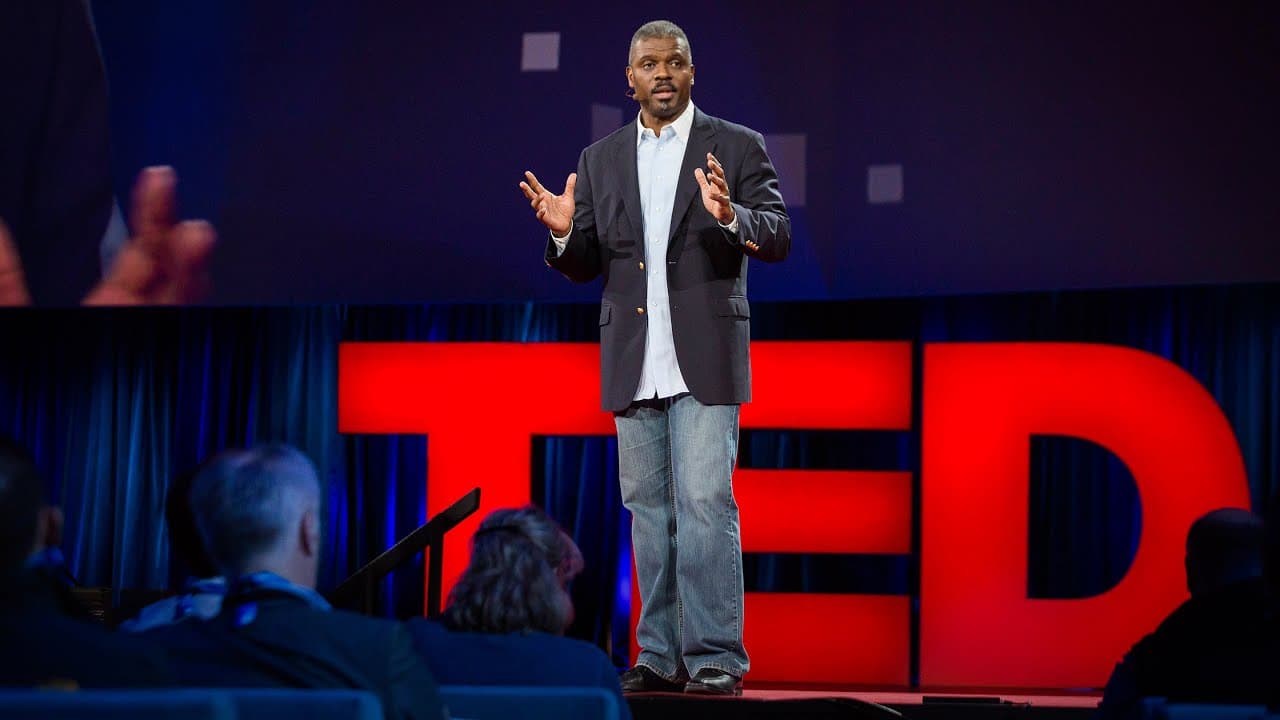
Boston achieved a 79% reduction in youth violence through a collaborative approach that involved community leaders, clergy, and law enforcement. By engaging with at-risk youth, understanding their realities, and including them in violence reduction strategies, they transformed adversaries into partners, addressing the root causes of violence rather than just its symptoms.
Transcript
I've learned some of my most important life lessons from drug dealers and gang members and prostitutes, and I've had some of my most profound theological conversations not in the hallowed halls of a seminary but on a street corner on a Friday night, at 1 a.m. That's a little unusual, since I am a Baptist minister, seminary-trained, and pastored a c... Read More
Key Insights
- 🏛️ Involvement with drug dealers, gang members, and prostitutes and theological conversations on street corners gave the speaker valuable life lessons and insights.
- 💭 The speaker initially aspired to be a megachurch pastor but recognized the urgent need to address rising violent crime rates in his city.
- 🔫 The escalating violence was driven by trivial disputes and had a profound impact on the community, leading to fear and restrictions on everyday activities.
- 💡 The speaker realized that in order to create a true sense of community, he needed to include and embrace those involved in acts of violence, such as gang members and drug dealers.
- 🌃 The speaker engaged with the at-risk youth by volunteering at a high school, walking the streets at night, listening to their experiences, and acknowledging their struggles.
- 🙏 The speaker and a group of clergy formed a partnership with law enforcement, including police officers and probation officers, recognizing that collaboration was necessary to address the root causes of violence.
- 👥 A strong community component is essential in violence reduction efforts, with community leaders working together with law enforcement, private sectors, and the city to tackle the structural issues that contribute to violence.
- 🌍 The speaker emphasizes the interconnectedness of different social issues, such as housing policies, education, unemployment, and healthcare, and highlights the need for comprehensive solutions rather than simply more law enforcement.
Install to Summarize YouTube Videos and Get Transcripts
Explore YouTube Video Summarizer or Get YouTube Transcript Extractor
Questions & Answers
Q: What caused the speaker to change his focus from being a megachurch pastor to addressing the issue of violent crime?
The rising homicide rate in his city, particularly among young people, motivated the speaker to take action and address the issue of violent crime. He witnessed the devastating impact it was having on the community and felt the need to do something about it.
Q: How did the speaker initially try to address the issue of violence in his community?
The speaker began by preaching against violence and building programs in his church to engage and support at-risk youth. He also attempted to connect with the youth through innovative methods, such as rapping in his sermons, in hopes of making a positive impact.
Q: What realization did the speaker have that led to a shift in his approach to addressing violence in the community?
The speaker realized that in order to truly build a community free from violence, he needed to include and embrace those who were involved in committing acts of violence rather than solely focusing on those on the fringes. He recognized the importance of reaching out to gang members, drug dealers, and other individuals normally excluded from the definition of community.
Q: How did the speaker and other clergy members engage with the youth involved in violence in their community?
The speaker and a group of clergy members started to walk the streets at night, specifically in dangerous neighborhoods where the youth congregated. They aimed to build relationships with the youth and show them that they cared. By listening to their experiences and perspectives, the clergy members began to understand the culture of violence that these young people were living in.
Q: What did the speaker discover about the youth involved in violence through his conversations and interactions with them?
The speaker dispelled the myth that the youth involved in violence were cold-hearted or fundamentally violent individuals. He found that many of these young people were simply trying to survive and make it on the streets. They were often intelligent, creative, and resourceful, facing immense challenges in their day-to-day lives.
Q: What approach did the speaker advocate for in addressing violence in communities?
The speaker emphasized the importance of building strong community partnerships to address violence. He argued that relying solely on law enforcement and incarceration would not solve the problem. Instead, he called for collaboration between community leaders, law enforcement, the private sector, and the city to harness the assets within the community and find holistic solutions to reduce violence.
Q: What broader issues did the speaker highlight as contributing factors to violence in communities?
The speaker pointed out that violence in communities is connected to a range of structural issues, such as failed housing policies, poor educational systems, unemployment, and inadequate healthcare. When combined with the presence of drugs and easily accessible weapons, these factors contribute to the emergence of a culture of violence. He stressed the need to address these underlying issues alongside community collaboration and law enforcement efforts.
Summary & Key Takeaways
-
The speaker, a Baptist minister, learned important life lessons from drug dealers, gang members, and prostitutes while participating in a crime reduction strategy in a major city.
-
The speaker's initial ambition was to be a megachurch pastor, but he became motivated to address the rising violent crime rate in his community, which was affecting young people.
-
The speaker formed partnerships with community leaders, law enforcement, and the private sector to develop solutions and reduce violence in the community. He emphasizes the importance of valuing the community component in collaboration.
Read in Other Languages (beta)
Share This Summary 📚
Summarize YouTube Videos and Get Video Transcripts with 1-Click
Try YouTube Summary with ChatGPT & Claude or YouTube Transcript Generator
Explore More Summaries from TED 📚




Summarize YouTube Videos and Get Video Transcripts with 1-Click
Try YouTube Summary with ChatGPT & Claude or YouTube Transcript Generator