How Do Traditional Societies Treat Their Elderly?
TL;DR
Traditional societies often provide better living conditions for the elderly by integrating them into family and community life, unlike modern societies where they may face neglect and isolation. The treatment of older individuals varies widely, with factors such as cultural values and the perceived usefulness of elders significantly influencing their roles and status in these communities.
Transcript
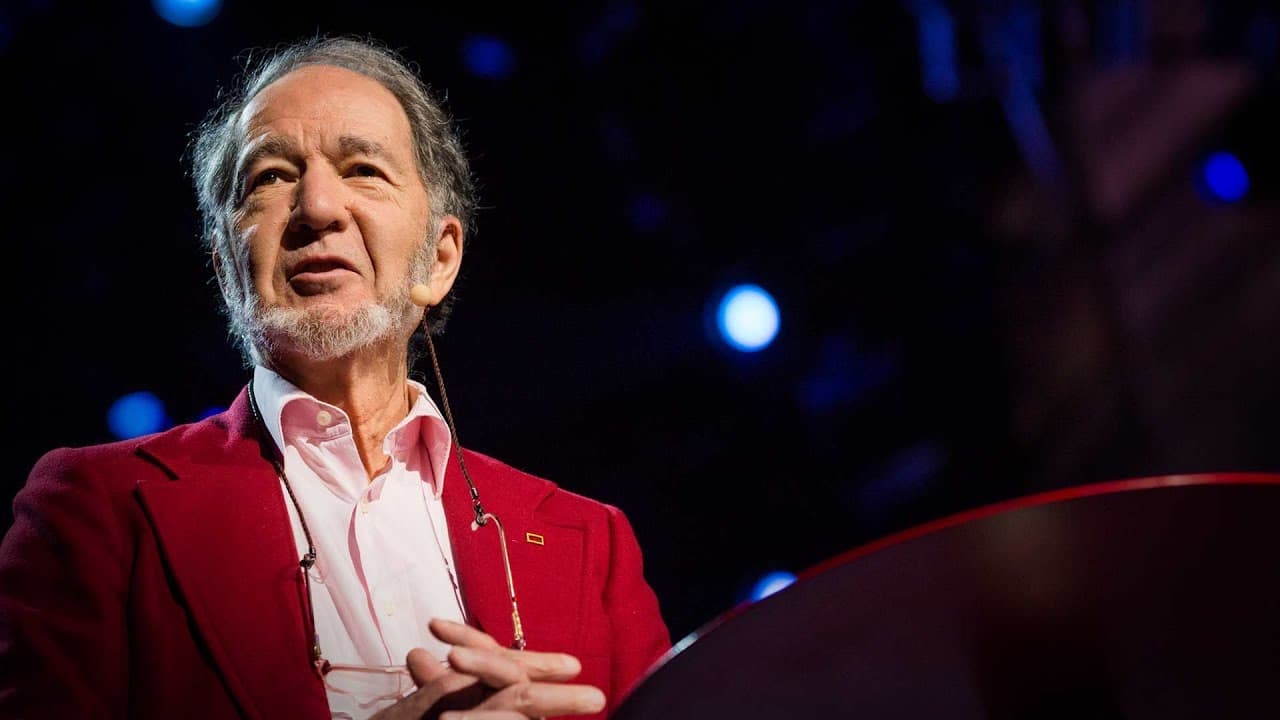
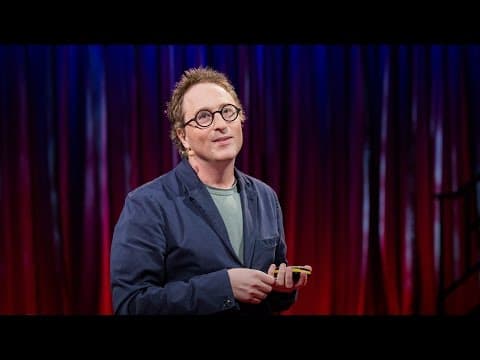
To give me an idea of how many of you here may find what I'm about to tell you of practical value, let me ask you please to raise your hands: Who here is either over 65 years old or hopes to live past age 65 or has parents or grandparents who did live or have lived past 65, raise your hands please. (Laughter) Okay. You are the people to whom my tal... Read More
Key Insights
- 👴 In traditional societies, older people live among their children, relatives, and friends, highlighting the importance of intergenerational relationships and support systems.
- 💔 In some traditional societies, abandonment or killing of elders occurs due to nomadic lifestyles or food shortages, highlighting the harsh realities faced by these communities.
- 🌍 Traditional societies serve as natural experiments in running human societies, offering potential lessons for modern societies.
- 👵 The treatment of the elderly in traditional societies varies greatly, from neglect and abandonment to care and respect.
- 🌟 Older people in traditional societies remain valuable and continue to contribute through producing food, providing childcare, making tools, and sharing knowledge.
- 📚 Older people in traditional societies serve as repositories of invaluable information and experience, which is crucial for the survival of their societies in times of crisis.
- ⚖️ Cultural values play a significant role in the treatment of older people, with East Asian societies emphasizing respect for the elderly compared to the low status of the elderly in the U.S.
- 🔄 Modern society has seen both positive and negative changes in the treatment and status of the elderly, with longer lives and better health, but also increased burdens and loss of social ties.
Install to Summarize YouTube Videos and Get Transcripts
Explore YouTube Video Summarizer or Get YouTube Transcript Extractor
Questions & Answers
Q: How do traditional societies differ from modern societies in terms of how they treat the elderly?
In traditional societies, older people live out their lives among their children, relatives, and lifelong friends, while in modern societies like the U.S., most old people end up living separately from their children and friends. The treatment of the elderly varies greatly among traditional societies, from neglect and abandonment to care and support.
Q: In which situations do children abandon or kill their parents in traditional societies?
Children in traditional societies may abandon or kill their parents under certain conditions. One is in nomadic, hunter-gather societies where physical limitations make it difficult to transport old people who can't walk. The other condition is in societies living in marginal or fluctuating environments where food shortages occur and resources must be reserved for able-bodied adults and children.
Q: What are some reasons for the variation in the treatment of the elderly among different societies?
The variation in the treatment of the elderly depends on two main factors: their usefulness and the cultural values of the society. Older people in traditional societies continue to perform valuable services such as food production, babysitting, and craftsmanship. Additionally, their knowledge and experience make them leaders and repositories of vital information. Cultural values, such as respect for the elderly, also play a role in determining their treatment.
Q: How is the status of the elderly different in traditional societies compared to modern societies like the U.S.?
In traditional societies, older people are cared for, valued, and remain useful members of the community. They live among their children, relatives, and friends. However, in modern societies like the U.S., older Americans face disadvantages in job applications, healthcare, and social status. The emphasis on work, self-reliance, and youth contributes to the lower status and separation of the elderly from their loved ones.
Q: What are some changes in the status of the elderly in modern societies compared to traditional societies?
While there have been improvements in terms of longer lives, better health, and specialized retirement facilities, there are also negative changes. The increasing number of old people and fewer young people creates a burden on the younger generation, reducing the individual value of each elderly person. The breaking of social ties, retirement from the workforce, and the loss of traditional usefulness as repositories of knowledge also contribute to the worsening status of the elderly.
Q: How can the lives of the elderly be improved in modern societies like the U.S.?
Some suggestions for improving the lives of the elderly include recognizing their value as grandparents for high-quality childcare, leveraging their unique experiences of rare living conditions, and capitalizing on their abilities that improve with age, such as understanding human relationships and strategic planning. Making better use of their knowledge and skills can enhance their satisfaction and contribution to society.
Summary & Key Takeaways
-
Traditional societies have different treatment of older people compared to modern societies, with some treating them well and others neglecting or even killing them.
-
The treatment of the elderly in traditional societies is influenced by their usefulness and the society's cultural values.
-
Older people in traditional societies are valued for their knowledge, skills, and the role they play in the community, while in modern societies, they often face challenges and are considered less valuable.
Read in Other Languages (beta)
Share This Summary 📚
Summarize YouTube Videos and Get Video Transcripts with 1-Click
Try YouTube Summary with ChatGPT & Claude or YouTube Transcript Generator
Explore More Summaries from TED 📚


Summarize YouTube Videos and Get Video Transcripts with 1-Click
Try YouTube Summary with ChatGPT & Claude or YouTube Transcript Generator