Cristina Domenech: Poetry that frees the soul (with English subtitles) | TED
TL;DR
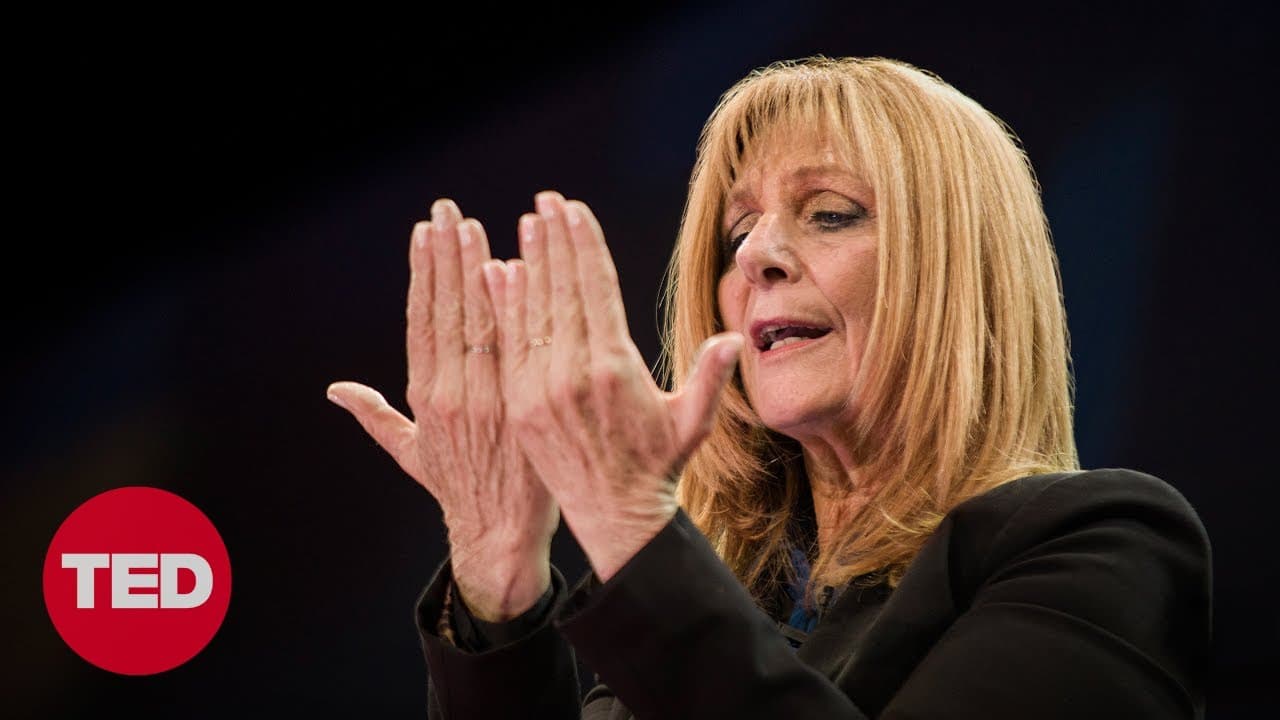
This content shares the experience of a translator and a reviewer who introduce a poetry workshop in a prison.
Transcript
Translator: Sebastian Betti Reviewer: Gisela Giardino It's said that to be a poet you have to go to hell and back. The first time I visited the prison, I was not surprised by the noise of the padlocks, or the closing doors, or the cell bars, or by any of the things I had imagined. Maybe because the prison is in a quite open space. You can see the s... Read More
Key Insights
- 🔒 The first visit to the prison revealed a surprising juxtaposition of seagulls flying overhead, making it feel close to the beach, while inmates moved through the corridors. It made the speaker reflect on the notion that they could easily have been one of the inmates, highlighting the role of luck and circumstances in life.
- 📚 The writing workshop at the prison was initially requested by the inmates who wanted to express what they couldn't say or do. Poetry was chosen as a tool that could break the logic of language and provide a new system of expression for the inmates.
- 🚫 Inequality exists even within the prison system, with many inmates lacking basic education and writing skills. Short but powerful poems were chosen to accommodate their abilities and help them understand the transformative power of poetic language.
- 👏🏽 The moment when inmates stood up to read their poems and receive applause for the first time made the speaker reflect on the lack of recognition and validation they may have experienced throughout their lives. It highlighted the impact of applause and celebration on their sense of self-worth.
- 📖 The inmates went beyond writing and bound their own books, defying the limitations and restrictions imposed on them in prison. This act of creation and empowerment allowed them to find dignity, transforming themselves in the process.
- 🔍 Poetry acts as a mirror for inmates, allowing them to recognize and understand themselves. It provides them with a moment of extraordinary freedom, a space where they can find their own voice and realize that even within the confines of prison, freedom is possible.
- 🔓 Poetry has the power to sew up the wounds of exclusion and open doors. It creates a space where inmates can share their experiences, look at themselves, and write from their own identities. It is a tool that brings about social change and helps bridge social fractures.
- ❤️ The speaker emphasizes the impact and transformation that the prison workshop has on both the inmates and herself. She wishes that others could experience the same joy, connection, and growth that she witnesses every week.
Install to Summarize YouTube Videos and Get Transcripts
Explore YouTube Video Summarizer or Get YouTube Transcript Extractor
Questions & Answers
Q: What inspired Sebastian Betti to bring poetry into the prison system?
Sebastian Betti was inspired to bring poetry into the prison system after the inmates expressed their desire to have a writing workshop. They wanted to put on paper all that they couldn't say and do, and Betti saw poetry as a tool for them to express themselves freely.
Q: How did Sebastian Betti help the inmates understand and appreciate poetry?
Sebastian Betti started by introducing the inmates to short but powerful poems. Through reading these short poems, the inmates began to understand that poetic language breaks the logic of the system they were accustomed to. This realization allowed them to see that with poetry, they could say whatever they wanted and it became a way for them to express their deepest emotions and experiences.
Q: How did the inmates' perception of themselves change through the poetry workshop?
Through the poetry workshop, the inmates' transformed and began to see themselves in a different light. They discovered a sense of dignity and empowerment in the words they wrote and the freedom they found in the act of writing. It was the first time for many of them to receive applause and recognition for something they had done, which significantly impacted their perception of themselves.
Q: In what way does poetry help to heal the wounds of exclusion and create a sense of freedom?
Poetry has the power to sew up the wounds of exclusion by providing a mirror for the inmates to recognize themselves in their own words. It opens doors and creates a space of extraordinary freedom where they can express themselves authentically. Through poetry, the inmates find a bit of freedom that cannot be taken away, even within the confines of a prison.
Summary & Key Takeaways
-
The speaker visits a prison for a writing workshop and realizes the power of poetry to break logic and create a new system of expression for the inmates.
-
The inmates learn that poetry allows them to say what they couldn't otherwise say in prison, and it gives them a sense of dignity and empowerment.
-
Through the writing workshops, the inmates write and bind their own books, and their transformation and growth through poetry is evident.
Read in Other Languages (beta)
Share This Summary 📚
Summarize YouTube Videos and Get Video Transcripts with 1-Click
Try YouTube Summary with ChatGPT & Claude or YouTube Transcript Generator
Explore More Summaries from TED 📚



Summarize YouTube Videos and Get Video Transcripts with 1-Click
Try YouTube Summary with ChatGPT & Claude or YouTube Transcript Generator