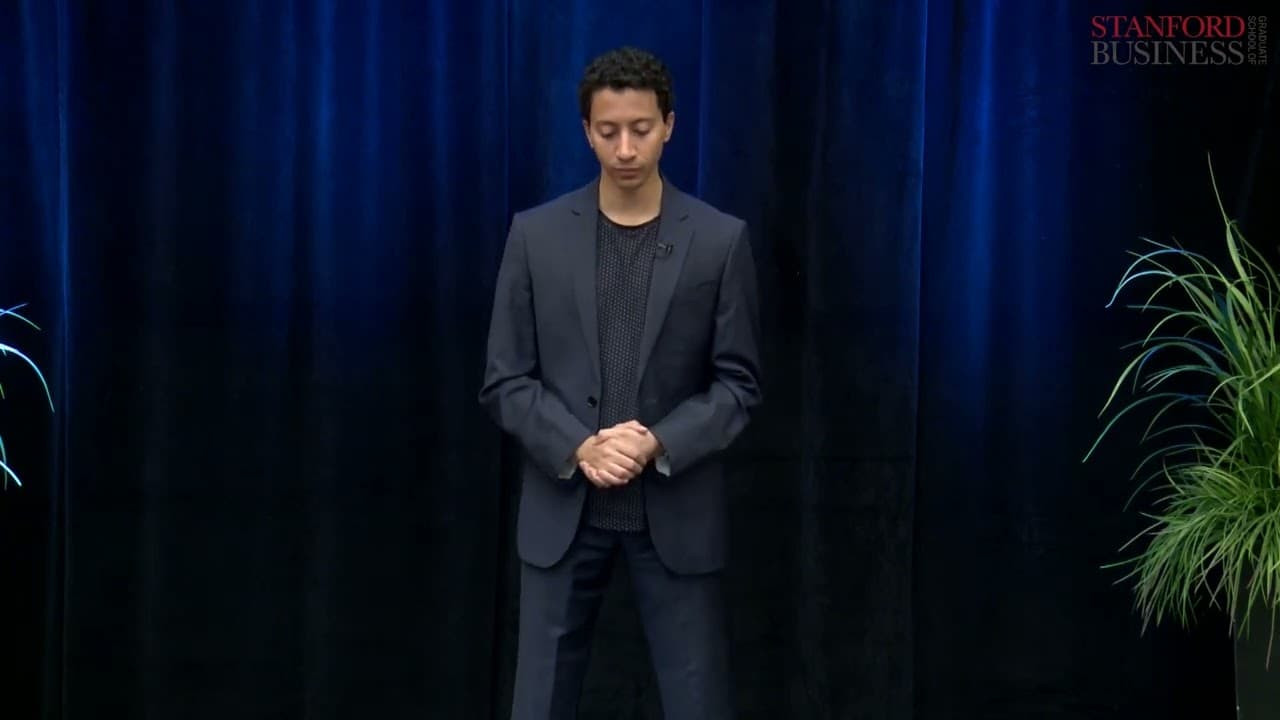
Untold Stories | Andrew Leon Hanna, MBA ’22
TL;DR
Esma, a Syrian refugee living in the Zaatari camp in Jordan, started a storytelling initiative to empower children and challenge stereotypes about refugees.
Transcript
[MUSIC] It was June 23rd, 2018, and I was visiting the tree refugee camp in Georgia. And there's a tree camp is an interesting sight to see because across the horizon there in the middle eastern desert, where ancient civilizations once lived It is a makeshift settlement of row after row after row of corrugated metal trailer. And this is where the f... Read More
Key Insights
- 🫡 Refugees, like Esma, are powerful and innovative individuals who deserve respect and dignity.
- ❎ Negative stereotypes dehumanize refugees and hinder their integration into society.
- ❓ Refugees make significant economic and social contributions to their communities.
- ❓ Authentic storytelling can challenge harmful narratives and foster understanding and empathy.
- 🌐 Welcoming and resettling refugees is a global responsibility that nations must fulfill.
- ❓ Esma's story demonstrates the exceptional resilience and determination of refugees.
- ❓ Recognizing the humanity and potential of refugees is crucial to dismantling stereotypes.
Install to Summarize YouTube Videos and Get Transcripts
Explore YouTube Video Summarizer or Get YouTube Transcript Extractor
Questions & Answers
Q: How did Esma's journey as a refugee inspire her to start the storytelling initiative?
Esma experienced the loss of her home and the miscarriage of her child in the camp, which led her to realize the need for hope and dreams for the children in Zaatari. She wanted to ensure they had a future and empowered them through storytelling.
Q: What contributions do refugees make economically?
Refugees contribute economically by creating jobs in their adopted countries. Studies show that they are more entrepreneurial than native-born citizens and have a positive net fiscal impact on the economy.
Q: How do refugees contribute socially?
Refugees often provide aid and support during times of crisis, as seen in Esma's storytelling initiative or providing food for the elderly during the pandemic. They also revitalize communities and bring hope to declining areas.
Q: Why do negative stereotypes persist about refugees?
Negative stereotypes persist due to a lack of personal connections and misinformation. Media narratives often present refugees as victims or villains, leading to a disconnect between the reality of their lives and public perception.
Summary & Key Takeaways
-
Esma, a refugee living in the Zaatari camp, uses storytelling to bring hope and empowerment to children who have experienced war and displacement.
-
Refugees are not pitiful victims or villains, but resilient and innovative individuals who contribute socially and economically.
-
Esma's story highlights the importance of recognizing the humanity and potential of refugees and challenging negative narratives.
Read in Other Languages (beta)
Share This Summary 📚
Summarize YouTube Videos and Get Video Transcripts with 1-Click
Try YouTube Summary with ChatGPT & Claude or YouTube Transcript Generator
Explore More Summaries from Stanford Graduate School of Business 📚




Summarize YouTube Videos and Get Video Transcripts with 1-Click
Try YouTube Summary with ChatGPT & Claude or YouTube Transcript Generator