What Is the 'This Is Fine' Bias in Cable News?
TL;DR
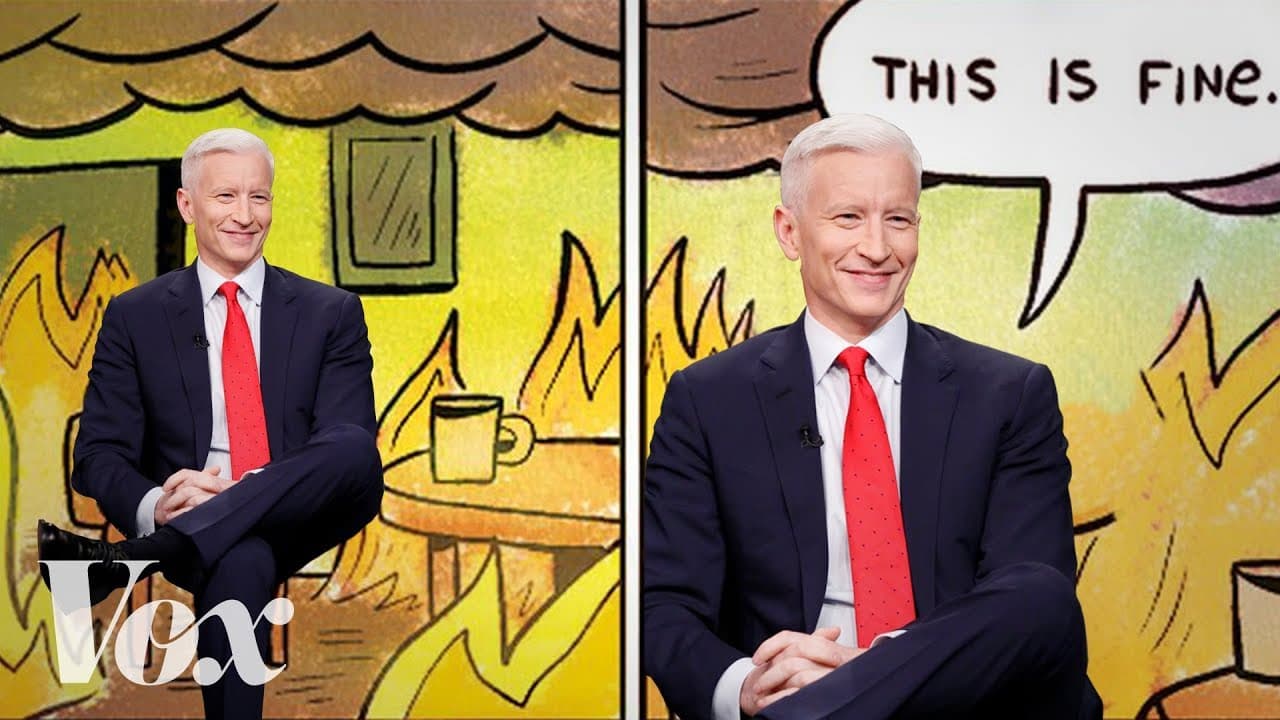
The 'this is fine' bias in cable news refers to the media's tendency to normalize abnormal political events, leading to misleading coverage. Journalists often present significant issues with a calm demeanor, making it difficult for audiences to grasp their seriousness. This bias not only dulls the recognition of crises but also contributes to a misunderstanding of the gravity of current political situations.
Transcript
It’s hard to overstate how bonkers the news cycle is right now. Republicans are trying to ram through a train-wreck health care bill without any hearings. This process is an embarrassment. This is nuclear-grade bonkers. The White House is threatening the attorney general to derail the Russia investigation. So not only does he call Jeff Sessions bel... Read More
Key Insights
- The news cycle is currently overwhelmed with significant political events, yet media coverage often fails to reflect their gravity.
- Journalists like Anderson Cooper and Wolf Blitzer maintain an unemotional, even-keeled approach, which can mislead audiences about the seriousness of political events.
- The Trump administration's actions often break political norms, yet news outlets continue to treat these events as routine political disputes.
- The media's 'normalcy bias' leads to misleading coverage, as abnormal events are presented as if they are typical.
- Nonverbal cues in news coverage play a significant role in how audiences perceive the importance of a story.
- Journalists have a responsibility to highlight when political events deviate from the norm, but current practices often fail to do so.
- The lack of emotional response from journalists can lead viewers to underestimate the impact of significant political developments.
- Until news networks adapt to the current political climate, audiences should remain aware that the situation is more serious than it appears on TV.
Install to Summarize YouTube Videos and Get Transcripts
Explore YouTube Video Summarizer or Get YouTube Transcript Extractor
Questions & Answers
Q: Why is the current news cycle described as 'bonkers'?
The current news cycle is described as 'bonkers' due to the unprecedented political events occurring simultaneously. These include attempts to pass a controversial health care bill without proper hearings, threats to derail the Russia investigation, and discussions about presidential self-pardons. Each of these represents a significant departure from political norms, yet media coverage often fails to reflect their extraordinary nature.
Q: How does the media's 'normalcy bias' affect news coverage?
The media's 'normalcy bias' affects news coverage by presenting abnormal political events as if they are routine. This bias leads to a lack of urgency and emotional response in reporting, which can mislead audiences about the seriousness of the events. As a result, viewers may perceive significant political developments as typical disputes, underestimating their impact and importance.
Q: What role do nonverbal cues play in news coverage?
Nonverbal cues play a significant role in news coverage by influencing how audiences perceive the importance of a story. The way a story is framed and delivered, including the tone and demeanor of journalists, can impact viewers' understanding of its significance. When journalists remain unemotional and even-keeled, audiences may assume that the events being reported are not particularly serious or concerning.
Q: Why is it important for journalists to highlight deviations from political norms?
It is important for journalists to highlight deviations from political norms to ensure that audiences understand the gravity of the situation. When political events deviate from the norm, they often have significant implications for governance, democracy, and public policy. By emphasizing these deviations, journalists can provide a more accurate portrayal of the political landscape and help audiences grasp the potential consequences of these events.
Q: What impact does the lack of emotional response from journalists have on audiences?
The lack of emotional response from journalists can lead audiences to underestimate the impact of significant political developments. When journalists maintain a calm and unemotional demeanor, viewers may perceive the events being reported as less serious than they actually are. This can result in a lack of public awareness and engagement with critical political issues, as audiences fail to grasp their true importance.
Q: How should news networks adapt to the current political climate?
News networks should adapt to the current political climate by adjusting their reporting practices to better convey the seriousness of abnormal political events. This may involve adopting a more emotional and urgent tone when covering significant developments, as well as providing context and analysis to help audiences understand the implications of these events. By doing so, news networks can fulfill their responsibility to inform the public about the true state of politics.
Q: What is the responsibility of journalism in covering political events?
The responsibility of journalism in covering political events is to accurately inform the public about the nature and implications of these events. Journalists should highlight when political developments deviate from the norm and provide context to help audiences understand their significance. By doing so, journalism can play a crucial role in maintaining an informed citizenry and promoting democratic accountability.
Q: Why do some journalists go viral when expressing frustration?
Some journalists go viral when expressing frustration because their emotional response resonates with audiences who feel similarly about the political situation. When journalists break from their usual calm demeanor and express genuine concern or outrage, it signals to viewers that the events being reported are truly significant. This emotional connection can lead to increased engagement and awareness, as audiences recognize the seriousness of the situation.
Summary & Key Takeaways
-
The news cycle is inundated with critical political developments, yet media coverage often downplays their significance. Journalists like Anderson Cooper and Wolf Blitzer maintain a calm demeanor, which can mislead audiences about the seriousness of events. This 'normalcy bias' results in misleading news coverage, as abnormal events are treated as routine.
-
In the Trump era, political norms are frequently broken, but news outlets continue to treat these events as typical political disputes. The media's failure to convey the gravity of these situations can lead audiences to underestimate their impact. Journalists have a responsibility to highlight when events deviate from the norm.
-
Nonverbal cues play a crucial role in how audiences perceive the importance of a story. The lack of emotional response from journalists can lead viewers to underestimate significant political developments. Until news networks adapt, audiences should remain aware that the political situation is more serious than it appears on TV.
Read in Other Languages (beta)
Share This Summary 📚
Summarize YouTube Videos and Get Video Transcripts with 1-Click
Try YouTube Summary with ChatGPT & Claude or YouTube Transcript Generator
Explore More Summaries from Vox 📚


Summarize YouTube Videos and Get Video Transcripts with 1-Click
Try YouTube Summary with ChatGPT & Claude or YouTube Transcript Generator