The Painful Task of Resetting the U.S. Economy
TL;DR
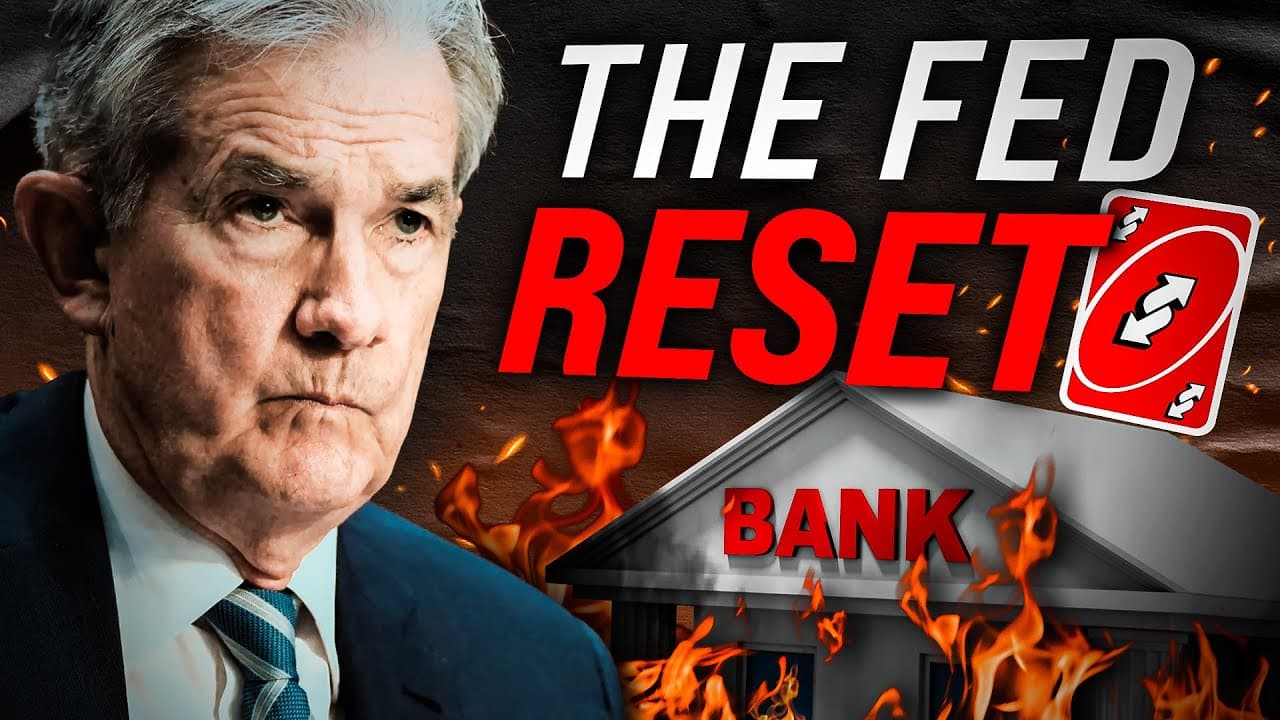
Recent bank crises triggered Fed, FDIC, and Treasury intervention to protect depositors amidst economic concerns.
Transcript
in the past two weeks serious difficulties at a small number of banks have emerged isolated banking problems if left unaddressed can undermine confidence in healthy Banks and threaten the ability of the banking system as a whole that is why in response to these events the Federal Reserve working with the treasury Department and the FDIC took decisi... Read More
Key Insights
- 🏦 Recent bank crises at Silvergate, Signature Bank, and Silicon Valley Bank prompted Federal Reserve, FDIC, and Treasury intervention.
- 🥺 Silicon Valley Bank's mismanagement and exposure to long-term U.S. Treasury bonds led to its rapid decline and subsequent closure.
- ☠️ Federal Reserve's response to the banking crisis included a rate hike to control inflation amidst tighter credit conditions.
- ❓ The Fed emphasized the importance of protecting depositors, preventing economic contagion, and ensuring stability in the banking system.
- 💳 Future Fed actions will depend on evolving data, credit conditions, and inflation outlook to maintain price stability and economic growth.
- ❓ Morning Brew, a daily newsletter, provided valuable insights into the banking crises and ongoing updates in the finance sector.
- 🏦 Concerns of economic contagion and the ripple effects of bank failures highlight the interconnectedness of the financial system.
Install to Summarize YouTube Videos and Get Transcripts
Explore YouTube Video Summarizer or Get YouTube Transcript Extractor
Questions & Answers
Q: What prompted the Federal Reserve, FDIC, and Treasury to intervene in recent bank crises?
The recent bank crises at Silvergate, Signature Bank, and Silicon Valley Bank necessitated intervention to prevent economic contagion and protect depositors.
Q: Why did Silicon Valley Bank suffer a rapid decline, leading to a big Bank Run?
Silicon Valley Bank's mismanagement, lack of risk-hedging, and concentration of deposits from tech businesses triggered its downfall and subsequent Bank Run.
Q: How did the Federal Reserve ensure all depositors were protected at Silicon Valley Bank and Signature Bank?
The Fed, along with FDIC and Treasury, invoked the systemic risk exception to make all depositors whole at the two Banks, despite most deposits being uninsured.
Q: How does tighter credit conditions resulting from recent bank crises impact inflation and the Federal Reserve's rate hike decisions?
Tighter credit conditions may naturally lower inflation as banks become more cautious, potentially leading the Fed to pause rate hikes and assess the situation.
Summary & Key Takeaways
-
Recent bank crises at Silvergate, Signature Bank, and Silicon Valley Bank prompted Federal Reserve action.
-
Silicon Valley Bank's rapid decline due to long-term U.S. Treasury bond exposure and lack of risk-hedging.
-
Federal Reserve's rate hike response aims to control inflation amidst tighter credit conditions caused by banking crises.
Read in Other Languages (beta)
Share This Summary 📚
Summarize YouTube Videos and Get Video Transcripts with 1-Click
Try YouTube Summary with ChatGPT & Claude or YouTube Transcript Generator
Explore More Summaries from New Money 📚




Summarize YouTube Videos and Get Video Transcripts with 1-Click
Try YouTube Summary with ChatGPT & Claude or YouTube Transcript Generator