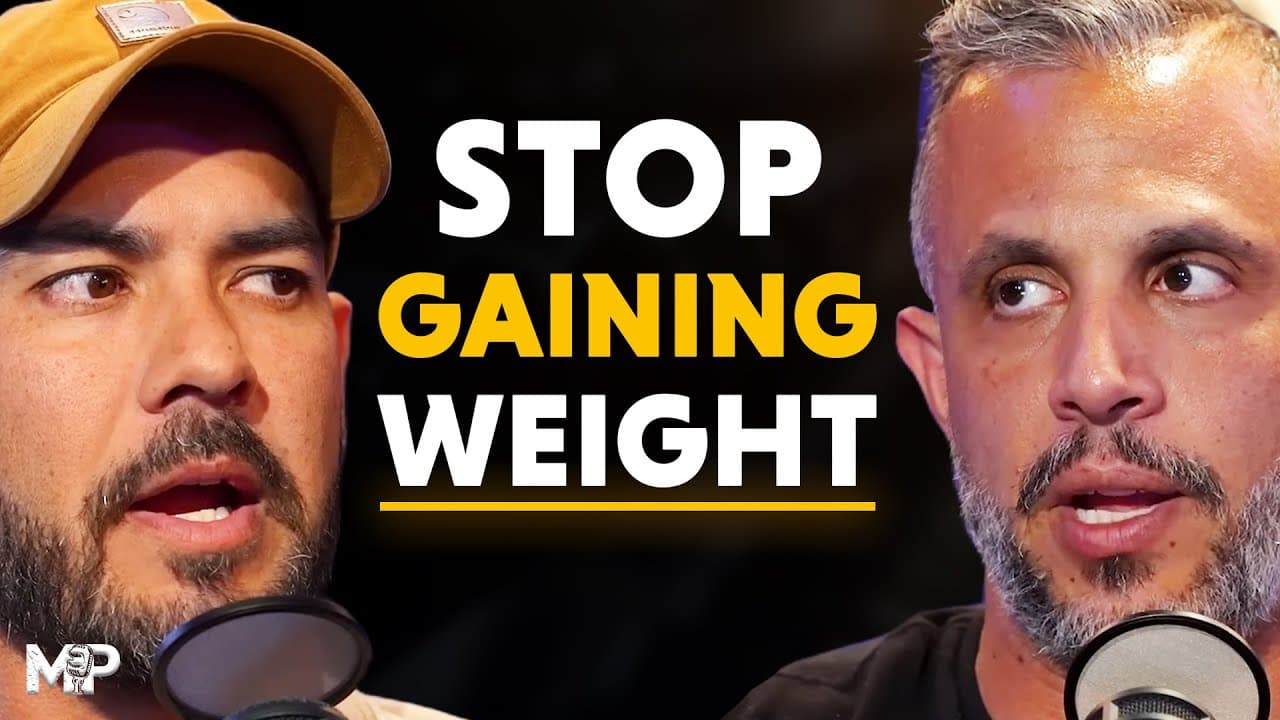
The 5 Intermittent Fasting MISTAKES Causing Weight Gain - Avoid This ASAP | Mind Pump 2405
TL;DR
Intermittent fasting can cause weight gain due to common mistakes.
Transcript
fasting if you look at the data the success rate with weight loss and fasting actually matches what you see with a lot of other diets in other words it's dismal in today's episode we're talking about the five reasons the five reasons why intermittent fasting can cause weight gain in many people that tried to tackle their weight loss goals with fast... Read More
Key Insights
- Intermittent fasting is often mistakenly categorized as a diet, which can lead to improper usage and expectations.
- Historically, fasting was practiced for spiritual reasons rather than weight loss, highlighting its original purpose of detachment and introspection.
- Fasting can lead to a poor relationship with food, encouraging binge-restrict cycles, especially when pursued for aesthetic goals.
- The body's natural response to fasting includes increased cortisol, which can be counterproductive for those already experiencing high stress.
- Achieving adequate protein intake is challenging within a restricted eating window, potentially hindering muscle preservation and fat loss.
- Binge eating is a common behavior encouraged by fasting, as individuals may overeat during their eating window.
- Fasting can promote the consumption of unhealthy foods within a short timeframe, leading to poor nutritional choices.
- The stress of fasting can exacerbate symptoms in individuals with existing stress-related conditions, making it unsuitable for everyone.
Install to Summarize YouTube Videos and Get Transcripts
Explore YouTube Video Summarizer or Get YouTube Transcript Extractor
Questions & Answers
Q: Why is intermittent fasting not ideal for weight loss?
Intermittent fasting is not ideal for weight loss because it often leads to a binge-restrict cycle, where individuals overeat during their eating window. This behavior can result in a poor relationship with food and eventual weight gain, as the body adapts to lower calorie intake by reducing metabolic rate and muscle mass.
Q: What was the original purpose of fasting?
The original purpose of fasting was for spiritual reasons, allowing individuals to detach from worldly desires and reflect on their behavior and emotions. It was not intended for weight loss or aesthetic goals. Fasting was practiced by ancient cultures and is present in many major world religions as a means of introspection and personal growth.
Q: How does fasting affect cortisol levels?
Fasting increases cortisol levels as the body responds to the stress of not eating by releasing stress hormones like cortisol and catecholamines. These hormones provide energy to find food, but for individuals already experiencing high stress, this can exacerbate symptoms and lead to negative health outcomes, making fasting unsuitable for them.
Q: Why is protein intake challenging during intermittent fasting?
Protein intake is challenging during intermittent fasting because the restricted eating window makes it difficult to consume the recommended amount of protein needed for muscle preservation and fat loss. High protein intake is crucial for metabolic health, and fitting it into a limited timeframe can lead to digestive distress and inadequate nutrition.
Q: What behavior does fasting encourage that can lead to weight gain?
Fasting encourages binge eating behavior, where individuals consume large amounts of food during their eating window, often leading to an increase in calorie intake over time. This behavior is counterproductive for weight loss goals and can result in weight gain as the body adapts to the eating pattern, storing more fat and reducing muscle mass.
Q: How does fasting impact food choices?
Fasting can negatively impact food choices as individuals may opt for hyper-palatable, processed foods that are easier to consume in large quantities within a short timeframe. This can lead to poor nutritional intake and increased calorie consumption, ultimately contributing to weight gain and negative health outcomes.
Q: What is the effect of fasting on individuals with high stress levels?
Fasting can have a detrimental effect on individuals with high stress levels, as it adds an additional stressor to their already overwhelmed system. This can lead to symptoms like fatigue, hair loss, and hormonal imbalances, as the body prioritizes stress management over metabolic health, making fasting unsuitable for those under significant stress.
Q: What is a common misconception about the benefits of fasting?
A common misconception about fasting is that it is an effective weight loss tool that allows for unrestricted eating during the eating window. In reality, fasting can lead to binge-restrict cycles, poor food choices, and a decrease in metabolic rate, ultimately resulting in weight gain and a negative relationship with food.
Summary & Key Takeaways
-
Intermittent fasting is often misused as a weight loss tool, leading to common mistakes that can result in weight gain. The practice, which has spiritual roots, is best suited for introspection and detachment rather than aesthetic goals.
-
Fasting can create a negative relationship with food, encouraging binge-restrict cycles, especially when pursued for changing one's appearance. It can also increase cortisol levels, which may not be ideal for those already under stress.
-
Achieving sufficient protein intake within a limited eating window is difficult, potentially impacting muscle preservation and fat loss. Fasting can also lead to poor food choices and unhealthy eating patterns, making it unsuitable for everyone.
Read in Other Languages (beta)
Share This Summary 📚
Summarize YouTube Videos and Get Video Transcripts with 1-Click
Try YouTube Summary with ChatGPT & Claude or YouTube Transcript Generator
Explore More Summaries from Mind Pump Show 📚




Summarize YouTube Videos and Get Video Transcripts with 1-Click
Try YouTube Summary with ChatGPT & Claude or YouTube Transcript Generator