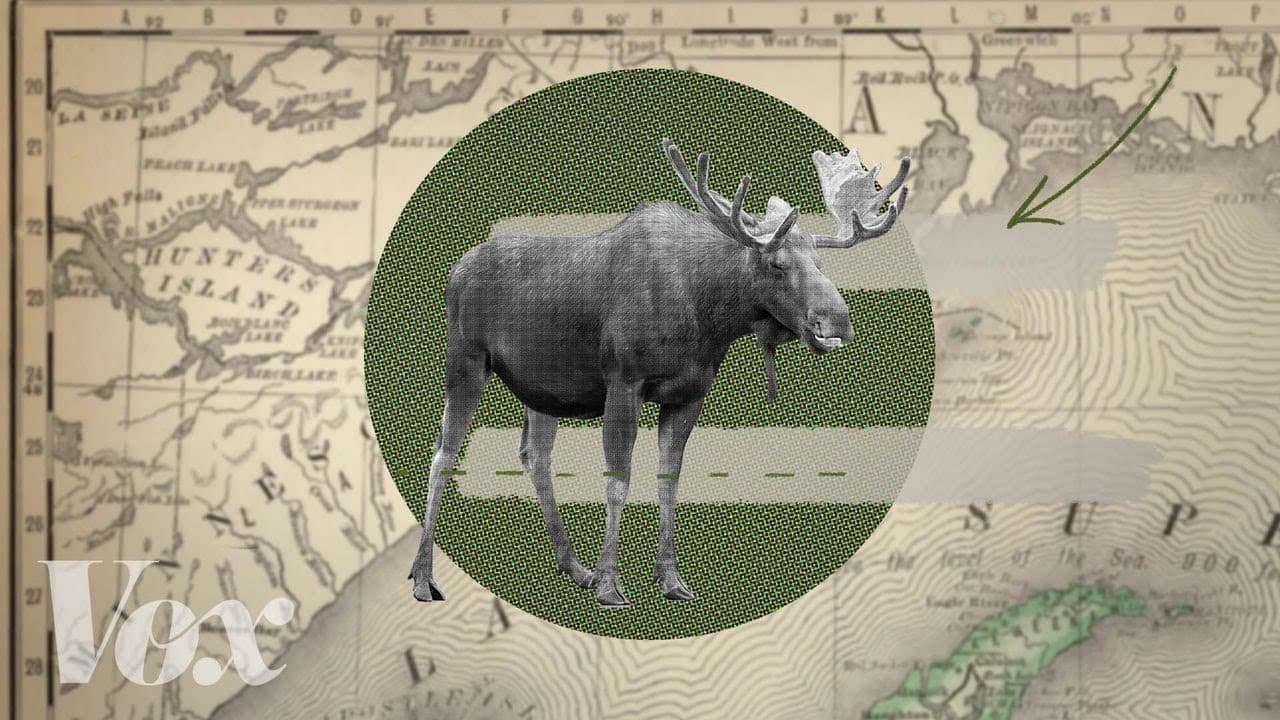
What’s killing Minnesota’s moose?
TL;DR
Minnesota's moose population is declining due to climate change and parasites.
Transcript
MCCORMICK: I was 18 and I was hunting for the first time on my own. It was quiet and misty, and the air — it's crisp. The tiny, yellow birch leaves are rustling. Suddenly out of the brush steps that bull moose. That's when I took a few deep breaths and took the shot. I remember just thanking our creator for the gift of the meat and just, feeling li... Read More
Key Insights
- The Ojibwe people have historically depended on moose for sustenance and cultural practices, highlighting the animal's importance to their identity.
- Minnesota's moose population has been declining for fourteen consecutive years, creating a mystery that scientists are eager to solve.
- Climate change has altered the environment, allowing white-tailed deer to migrate northward, bringing brainworm parasites that are deadly to moose.
- Warmer winters have increased the population of winter ticks, which cause severe distress and mortality in moose by draining their blood and energy.
- Wolf populations have increased in northern Minnesota, preying on moose calves, which contributes to the high mortality rate and declining moose numbers.
- The decline of the moose population is a direct consequence of climate change, affecting the ecosystem and the Ojibwe's traditional way of life.
- The resilience of the Ojibwe people is evident as they continue to maintain their cultural practices and connection to the land despite environmental and historical challenges.
- Efforts to understand and reverse the moose population decline involve scientific research, including tracking and studying moose health and mortality.
Install to Summarize YouTube Videos and Get Transcripts
Explore YouTube Video Summarizer or Get YouTube Transcript Extractor
Questions & Answers
Q: What cultural significance do moose hold for the Ojibwe people?
Moose hold profound cultural and subsistence significance for the Ojibwe people, serving as a vital food source and a symbol of their connection to the land. The Ojibwe have historically used moose for various purposes, such as making clothing, tools, and art, reflecting the animal's integral role in their cultural identity and survival.
Q: What are the main factors contributing to the decline of Minnesota's moose population?
The decline of Minnesota's moose population is primarily attributed to climate change, which has led to warmer winters, facilitating the spread of brainworm parasites and winter ticks. Additionally, increased wolf predation on moose calves and the northward migration of white-tailed deer, which carry brainworm, have exacerbated the decline.
Q: How has climate change impacted the moose's habitat in Minnesota?
Climate change has significantly impacted the moose's habitat in Minnesota by increasing temperatures and reducing snow cover. These changes have allowed white-tailed deer to migrate north, bringing brainworm parasites, and have increased the survival rate of winter ticks, both of which are detrimental to moose health and survival.
Q: What role do wolves play in the declining moose population?
Wolves play a significant role in the declining moose population by preying on vulnerable moose calves. With the increase in wolf populations in northern Minnesota, moose calves have become an easier target, leading to high mortality rates that prevent the moose population from sustaining itself.
Q: How do winter ticks affect moose, and why is their population increasing?
Winter ticks affect moose by attaching to their skin in large numbers, causing severe irritation, blood loss, and energy depletion. Their population is increasing due to warmer winters, which reduce snow cover that would otherwise kill a portion of the ticks, allowing more to survive and infest moose.
Q: What methods are scientists using to study the moose population decline?
Scientists are using various methods to study the moose population decline, including tracking moose with GPS collars, conducting necropsies to determine causes of death, and analyzing environmental data to understand the impact of climate change and other factors on moose health and mortality.
Q: Why is brainworm particularly harmful to moose but not to deer?
Brainworm is particularly harmful to moose because it causes neurological damage by tunneling through their brains, leading to disorientation and death. In contrast, deer are natural hosts for the parasite and do not experience the same harmful effects, allowing them to coexist with brainworm without significant health issues.
Q: What historical changes have affected the Ojibwe's relationship with their land and resources?
Historical changes, such as European colonization and land appropriation, have significantly affected the Ojibwe's relationship with their land and resources. These changes reduced their traditional territories and access to natural resources, impacting their cultural practices and subsistence lifestyle, yet their resilience and cultural endurance remain strong.
Summary & Key Takeaways
-
The Ojibwe people have a deep cultural and subsistence relationship with moose, which is threatened by a declining population. Climate change has altered the environment, allowing parasites and predators to thrive, contributing to the moose's decline. Scientists are working to understand and mitigate these impacts to preserve this vital species.
-
Minnesota's moose population has been decreasing for fourteen years due to factors like brainworm parasites, increased wolf predation, and winter ticks. These issues are exacerbated by climate change, which has altered the region's climate and ecosystem, making it more hospitable to moose predators and parasites.
-
The Ojibwe's cultural heritage and survival have long been intertwined with the moose, but the population's decline due to climate change and parasitic threats poses a significant challenge. Efforts are underway to study and address these issues to ensure the moose's survival and the continuation of the Ojibwe's traditional practices.
Read in Other Languages (beta)
Share This Summary 📚
Summarize YouTube Videos and Get Video Transcripts with 1-Click
Try YouTube Summary with ChatGPT & Claude or YouTube Transcript Generator
Explore More Summaries from Vox 📚



Summarize YouTube Videos and Get Video Transcripts with 1-Click
Try YouTube Summary with ChatGPT & Claude or YouTube Transcript Generator