How to Increase Protein Intake Without Supplements
TL;DR
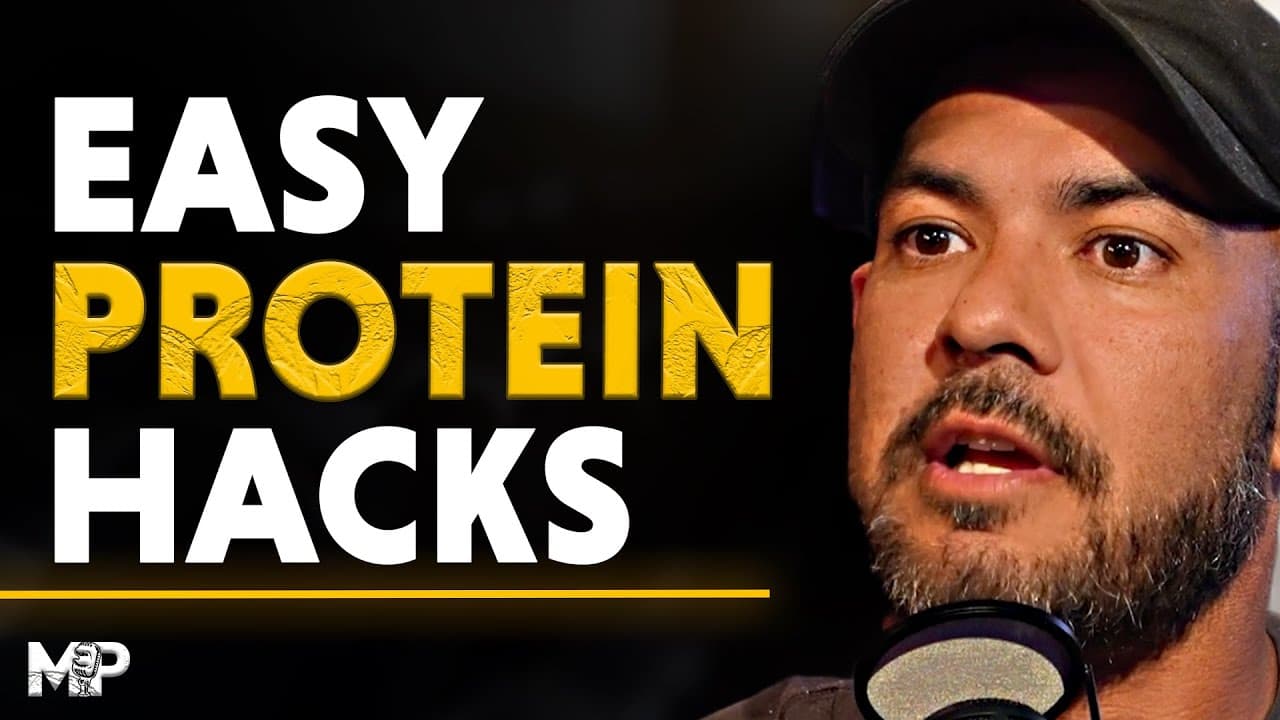
To effectively increase your protein intake, aim for one gram of protein per pound of target body weight. Simple hacks include using bone broth instead of water for cooking rice, opting for leaner cuts of meat, and incorporating high-protein snacks and desserts. Consistent protein intake supports muscle growth and fat loss without drastically altering your diet.
Transcript
All right, you've heard us talk about high protein. You know the studies. Builds more muscle, helps you burn more body fat. There are health benefits, but it can be hard getting the right amount of protein. Or to put it differently, optimize your protein intake. One gram of protein per pound of target body weight. We're going to talk about five tri... Read More
Key Insights
- One gram of protein per pound of target body weight is optimal for muscle gain and fat loss.
- Using bone broth instead of water in rice can add 8-12 grams of protein per meal.
- Leaner cuts of meat provide more protein per ounce compared to fattier cuts.
- Hard-boiled eggs are a convenient, high-protein snack, adding 12 grams of protein per two eggs.
- Adding protein powder to meals can increase protein intake without feeling overly full.
- High-protein desserts like Greek yogurt with berries can satisfy sweet cravings while boosting protein intake.
- Replacing fattier meat with leaner options like grass-fed beef can increase protein per ounce consumed.
- Meal planning and preparation are key to consistently meeting protein goals without relying on supplements.
Install to Summarize YouTube Videos and Get Transcripts
Explore YouTube Video Summarizer or Get YouTube Transcript Extractor
Questions & Answers
Q: How to increase protein intake without supplements?
To increase protein intake without supplements, use bone broth instead of water for cooking rice, which adds 8-12 grams of protein per meal. Opt for leaner cuts of meat, such as grass-fed beef, to get more protein per ounce. Incorporate high-protein snacks like hard-boiled eggs and high-protein desserts like Greek yogurt with berries.
Q: What is the optimal protein intake for muscle gain?
The optimal protein intake for muscle gain is approximately one gram of protein per pound of target body weight. This intake supports muscle growth, fat loss, and performance. It's important to consistently meet this protein target through a combination of whole foods and strategic meal planning.
Q: How does lean meat compare to fatty meat in protein content?
Lean meats have a higher protein content per ounce compared to fatty meats. For example, 12 ounces of lean red meat like filet mignon can have up to 12 more grams of protein than a 12-ounce ribeye. Choosing leaner cuts helps increase overall protein intake without additional calories from fat.
Q: What are some convenient high-protein snacks?
Hard-boiled eggs are a convenient high-protein snack, providing about 12 grams of protein for every two eggs. They are compact and easy to prepare in advance. Another option is to make protein-rich snacks like peanut butter protein balls, which can be made in bulk and consumed throughout the day.
Q: How can protein powder be incorporated into meals?
Protein powder can be incorporated into meals by mixing it with water to create a light protein drink that can be consumed alongside meals. This approach helps increase protein intake without feeling overly full, making it easier to meet daily protein goals without additional supplements.
Q: What are some high-protein dessert options?
High-protein desserts include Greek yogurt with mixed berries, chia seeds, and a drizzle of honey. This combination provides a sweet treat with about 20 grams of protein per serving. Another option is protein powder cheesecake cups, which can be made with low-fat cream cheese and almond butter for a protein-rich dessert.
Q: Why is meal planning important for protein intake?
Meal planning is crucial for consistently meeting protein goals without relying on supplements. By preparing meals and snacks in advance, you ensure that you have high-protein options readily available throughout the day. This reduces the likelihood of missing protein targets and supports muscle growth and fat loss.
Q: How does protein intake affect fat loss and muscle gain?
Adequate protein intake is essential for both fat loss and muscle gain. Protein helps preserve lean muscle mass during weight loss and supports muscle protein synthesis for growth. Consuming enough protein also enhances satiety, making it easier to adhere to a calorie-controlled diet for fat loss.
Summary & Key Takeaways
-
To boost protein intake, aim for one gram of protein per pound of target body weight. Utilize bone broth instead of water for cooking rice to add extra protein. Choose leaner cuts of meat for higher protein content per ounce.
-
Incorporate convenient snacks like hard-boiled eggs to increase protein intake throughout the day. Adding protein powder to meals can help achieve protein goals without feeling overly full.
-
High-protein desserts such as Greek yogurt with berries can satisfy sweet cravings while boosting protein intake. Consistent meal planning and preparation are essential for meeting protein goals without relying on supplements.
Read in Other Languages (beta)
Share This Summary 📚
Summarize YouTube Videos and Get Video Transcripts with 1-Click
Try YouTube Summary with ChatGPT & Claude or YouTube Transcript Generator
Explore More Summaries from Mind Pump Show 📚
Summarize YouTube Videos and Get Video Transcripts with 1-Click
Try YouTube Summary with ChatGPT & Claude or YouTube Transcript Generator