“The Myths and Rituals of Inclusion,” Lori Nishiura Mackenzie
TL;DR
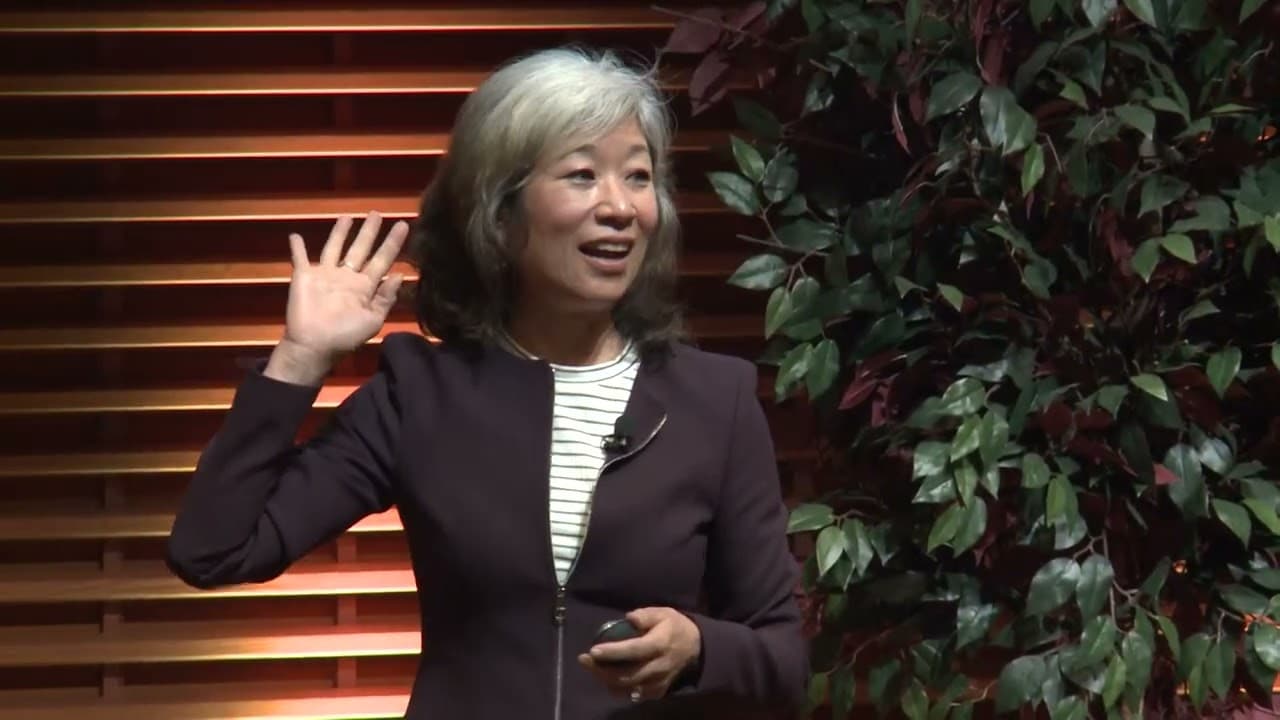
This content discusses the myths and rituals of inclusion in the workplace, highlighting the false beliefs that shape our behaviors and hinder the creation of a truly inclusive environment.
Transcript
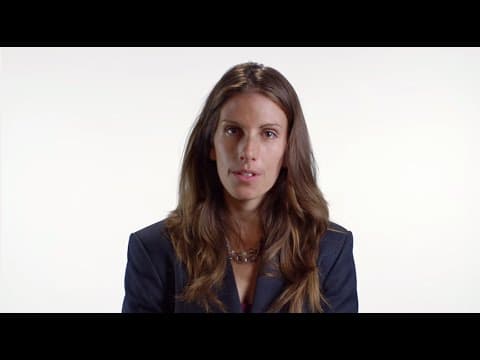
[MUSIC] Hello there, thank you for coming. And it's really a treat for you to spend time with me during your reunion, and I hope you're enjoying yourselves as much as possible. And we were just discussing snow in other parts of the country. So, if you're not from California, also there's a weather treat. So hopefully the weather will hold out for y... Read More
Key Insights
- 🧑⚕️ Many beliefs about work, such as the idea of the ideal worker and the belief in meritocracy, are false but widely held in the workplace.
- 🐎 Biases based on race and gender can impact evaluations and decision-making, hindering the concept of a meritocracy.
- 👨💼 Regular check-ins and integrating work and personal life can challenge the myth of the ideal worker and create a more inclusive workplace.
Install to Summarize YouTube Videos and Get Transcripts
Explore YouTube Video Summarizer or Get YouTube Transcript Extractor
Questions & Answers
Q: Why do our behaviors in the workplace often differ from our behaviors at home?
The speaker suggests that societal expectations and the separation of work and life that came with industrialization have shaped our beliefs about work. We often feel the need to conform to a certain behavior when the camera is on, reflecting the myth of the ideal worker.
Q: How does the myth of meritocracy affect decision-making in the workplace?
Research shows that biases based on race and gender can impact evaluations and decision-making processes, even in supposedly meritocratic organizations. Managers may unknowingly act in ways that reinforce biases, as they believe they are operating in a meritocratic system and stop scrutinizing their behaviors.
Q: How can we debunk the myth of the ideal worker?
The content suggests implementing regular check-ins and integrating work and personal life to challenge the myth of the ideal worker. By acknowledging the importance of personal concerns and allowing for work-life integration, organizations can create a more inclusive environment.
Q: What role do defaults play in promoting inclusivity?
Defaults often reinforce biases and exclusions in organizations. By changing defaults, such as pronoun usage or criteria for evaluation, organizations can challenge the idea of exceptions to a default, promoting inclusivity for all individuals.
Summary & Key Takeaways
-
The speaker discusses the myths and expectations we have about work, such as the ideal worker norm and the belief in meritocracy, which can be detrimental to creating an inclusive workplace.
-
Research shows that biases based on race, gender, and other factors affect evaluations and decision-making in the workplace, undermining the idea of a meritocracy.
-
The content suggests rituals and actions to debunk these myths, including regular check-ins, setting criteria before making decisions, and changing defaults to promote inclusivity.
Read in Other Languages (beta)
Share This Summary 📚
Summarize YouTube Videos and Get Video Transcripts with 1-Click
Try YouTube Summary with ChatGPT & Claude or YouTube Transcript Generator
Explore More Summaries from Stanford Graduate School of Business 📚

Summarize YouTube Videos and Get Video Transcripts with 1-Click
Try YouTube Summary with ChatGPT & Claude or YouTube Transcript Generator