When to Stop Weighing Yourself and Start Weightlifting
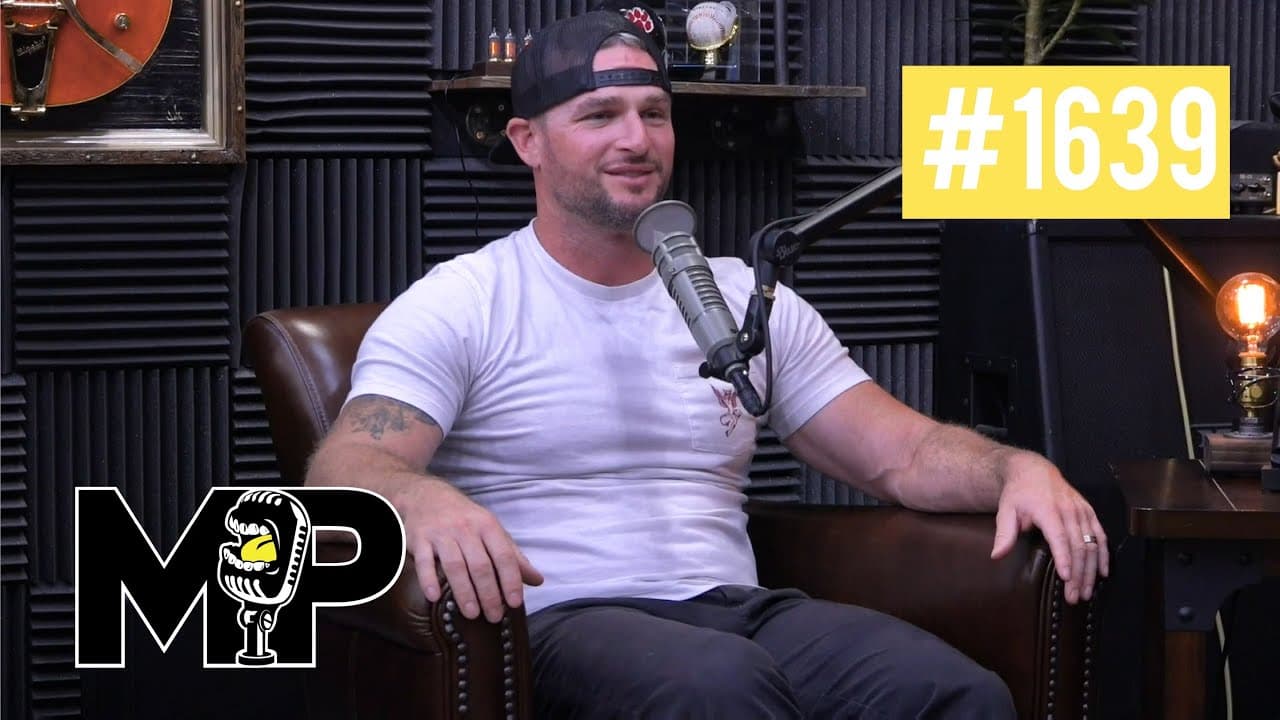
TL;DR
Transitioning from heavy cardio to weightlifting can lead to muscle gain and a more sculpted body without significant weight change. It's crucial to focus on strength and slowly increase calorie intake while avoiding frequent weighing to prevent unnecessary stress. Building muscle and strength should be prioritized over scale numbers.
Transcript
we got a new giveaway for you today so normally we give away programs but today here's what we're going to give away to one of you lucky viewers one of you lucky handsome beautiful awesome looking people i can see you through the camera magic anyway here's the giveaway free access to our mind pump private forum so in the private forum we have lots ... Read More
Key Insights
- Building muscle can occur even if the scale doesn't show weight change, as muscle is denser than fat.
- Increasing calorie intake gradually can support muscle growth without significant fat gain.
- Focusing on strength training can lead to a more sculpted and defined physique.
- Frequent weighing can cause unnecessary stress; it's better to focus on body composition and strength.
- Muscle memory plays a significant role in regaining muscle mass after a period of inactivity.
- Testosterone affects the central nervous system, influencing strength and performance.
- Slow bulking is recommended to avoid flare-ups in individuals with digestive issues.
- Transitioning from cardio to weightlifting can result in improved muscle mass and metabolism.
Install to Summarize YouTube Videos and Get Transcripts
Explore YouTube Video Summarizer or Get YouTube Transcript Extractor
Questions & Answers
Q: How to transition from cardio to weightlifting?
To transition from cardio to weightlifting, start with a program like MAPS Anabolic, focusing on strength and muscle gain. Begin with the pre-phase to practice exercises and gradually increase weights. Maintain a consistent calorie intake initially and adjust based on your body's response. Incorporate trigger sessions and prioritize recovery.
Q: Why should I stop weighing myself frequently?
Frequent weighing can cause unnecessary stress and doesn't accurately reflect body composition changes. Muscle gain can offset fat loss on the scale, so it's better to focus on strength, how your clothes fit, and overall body composition. This approach supports a healthier mindset and long-term progress.
Q: How does muscle memory affect regaining muscle mass?
Muscle memory allows for quicker regaining of muscle mass after a period of inactivity or weight loss. The body efficiently rebuilds muscle fibers previously developed, leading to faster strength and size gains when returning to weightlifting. This process is aided by consistent training and adequate nutrition.
Q: How does testosterone influence strength and performance?
Testosterone affects the central nervous system, enhancing strength and performance. It influences muscle growth, recovery, and overall energy levels. Athletes often notice increased strength and responsiveness during peak testosterone levels, impacting training outcomes positively.
Q: What is slow bulking, and why is it recommended?
Slow bulking involves gradually increasing calorie intake to support muscle growth without significant fat gain. It's recommended for individuals with digestive issues or those transitioning from a calorie deficit to prevent flare-ups and ensure steady, sustainable progress in muscle development.
Q: How does transitioning to weightlifting improve metabolism?
Transitioning to weightlifting boosts metabolism by increasing lean muscle mass, which requires more energy to maintain. This shift from cardio to resistance training enhances calorie burn at rest, promoting a more efficient metabolism and supporting long-term weight management.
Q: What are trigger sessions, and how do they aid muscle growth?
Trigger sessions are short, frequent workouts that target specific muscle groups to promote recovery and stimulate muscle growth. They complement main workouts by increasing blood flow and nutrient delivery to muscles, enhancing overall muscle development and strength gains.
Q: How to manage digestive issues while building muscle?
To manage digestive issues while building muscle, focus on foods that don't trigger symptoms and avoid aggressive bulking or cutting. Gradually increase calorie intake and prioritize whole, easily digestible foods. Monitor your body's response and adjust as needed to maintain health and progress.
Summary & Key Takeaways
-
Transitioning from heavy cardio to weightlifting requires a focus on strength and gradual calorie increase. This approach helps in building muscle and improving body composition without significant weight change. Avoid frequent weighing to prevent stress and focus on how your body feels and performs.
-
Muscle gain can occur even if the scale remains the same, as muscle is denser than fat. Building muscle through weightlifting can lead to a more toned and defined physique. Gradually increasing calorie intake supports this transition effectively.
-
Slow bulking is recommended for those with digestive issues to prevent flare-ups. Focus on health and muscle gain rather than extreme dieting or competing, especially if you have a history of health problems like ulcerative colitis.
Read in Other Languages (beta)
Share This Summary 📚
Summarize YouTube Videos and Get Video Transcripts with 1-Click
Try YouTube Summary with ChatGPT & Claude or YouTube Transcript Generator
Explore More Summaries from Mind Pump Show 📚


Summarize YouTube Videos and Get Video Transcripts with 1-Click
Try YouTube Summary with ChatGPT & Claude or YouTube Transcript Generator