Why Fruits Change Color and Flavor as They Ripen
TL;DR
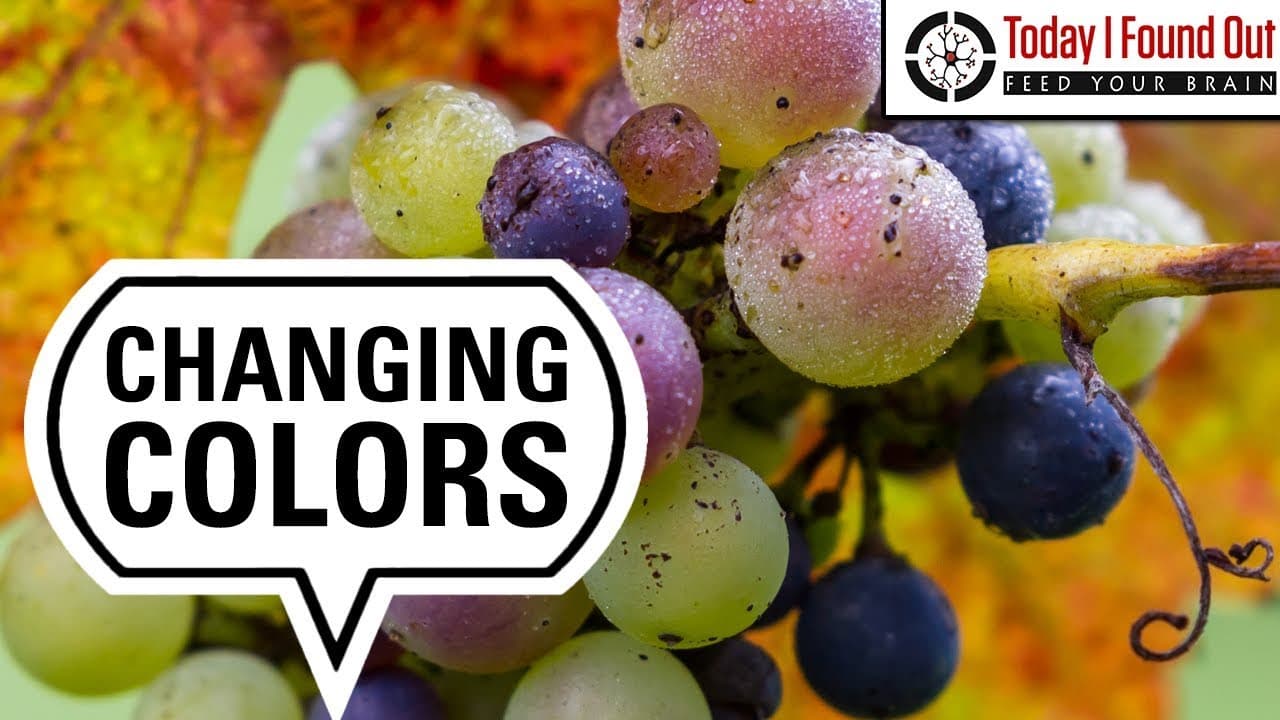
Fruits change color and flavor during ripening due to the breakdown of chlorophyll, synthesis of pigments, and the release of ethylene gas.
Transcript
Jay G. asks: Why do fruits change colour and flavour when they ripen? fruit-rainbowFruits and vegetables (see: The Difference Between Fruits and Vegetables) come in a wide array of colors that change throughout their ripening process, with the brightest colors often occurring when the fruit is optimally ripened. But why do fruits change color at al... Read More
Key Insights
- 🍏 Fruits start out green due to an abundance of chlorophyll, which breaks down during ripening.
- 🫢 Ethylene gas is responsible for initiating the ripening process in many fruits.
- 🙈 Carotenoids and anthocyanins are pigments responsible for the various colors seen in ripened fruits.
- 🌱 Animals play a crucial role in seed dispersal by eating fruits and later spreading the seeds through digestion.
- 🐦 Birds and mammals are the primary frugivores involved in seed dispersal.
- 🍌 Fruit color serves the purpose of attracting animals, revealing the fruit's location, and signaling ripeness.
- 🌱 The production of tasty pulp in fruits is a costly process for plants but serves the purpose of attracting seed dispersers.
Install to Summarize YouTube Videos and Get Transcripts
Explore YouTube Video Summarizer or Get YouTube Transcript Extractor
Questions & Answers
Q: How does the ripening process in fruits begin?
Ripening is triggered by ethylene gas, a naturally produced hydrocarbon gas in many fruits. Ethylene binds to receptors in the plant, which activates genes and enzymes that facilitate ripening.
Q: What causes the change in color during fruit ripening?
The breakdown of chlorophyll, facilitated by hydrolytic enzymes, removes the green color in fruits. Synthesis of other pigments, such as carotenoids and anthocyanins, results in orange, yellow, purple, red, and blue colors in ripened fruits.
Q: Why do fruits become sweeter as they ripen?
Enzymes called amylases convert starch in the fruit to simple sugars, making the fruit sweeter and more appealing to animals that eat fruits for seed dispersal.
Q: What is the purpose of fruits changing color during ripening?
Fruits change color to attract animals for seed dispersal. The bright colors serve as a signal to animals that the fruit is ripe and ready to eat, ensuring that the seeds inside are spread to different locations.
Summary & Key Takeaways
-
Many fruits start out green due to chlorophyll, which breaks down as the fruit ripens, revealing other pigments.
-
Ripening is triggered by ethylene gas, which activates genes and enzymes that convert starch to sugar and soften the fruit's cell walls.
-
Fruits change color to attract animals for seed dispersal, signaling when the fruit is ripe and tasty.
Read in Other Languages (beta)
Share This Summary 📚
Summarize YouTube Videos and Get Video Transcripts with 1-Click
Try YouTube Summary with ChatGPT & Claude or YouTube Transcript Generator
Explore More Summaries from Today I Found Out 📚






Summarize YouTube Videos and Get Video Transcripts with 1-Click
Try YouTube Summary with ChatGPT & Claude or YouTube Transcript Generator