Work Smarter, Not Harder
TL;DR
Work smarter, not harder, for sustainable success.
Transcript
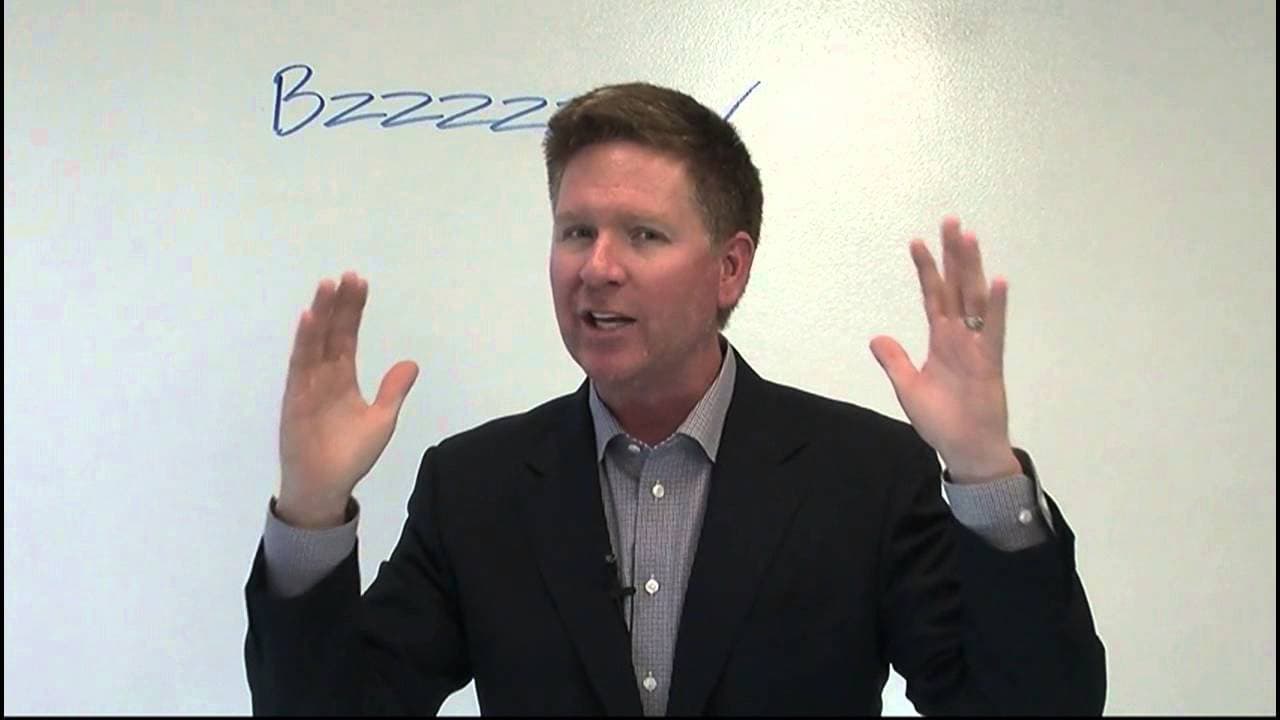
hey happy friday there's a wonderful old book called you squared i don't know if you've read that book um i've read it a lot and i've shared it with a lot of people in my time and i'm telling you this because there's a wonderful little story in the very beginning of this book that talks about a guy sitting in toronto staring at a windowsill and wat... Read More
Key Insights
- The book 'You Squared' illustrates the futility of working harder without a strategic approach, likening it to a fly repeatedly hitting a window.
- Many people believe that working harder will lead to success, but this often results in burnout and exhaustion.
- The speaker emphasizes the importance of working intelligently by using better systems, structures, and processes.
- Taking breaks and managing time effectively can prevent burnout and improve overall productivity and well-being.
- The speaker encourages individuals to seek help and advice if they find their current efforts unsustainable.
- There are often easier paths to achieving goals that require looking around and making necessary adjustments.
- Reflecting on current strategies and being open to change can lead to more effective and efficient work habits.
- The video promotes the idea of seeking balance in work and life to ensure long-term success and satisfaction.
Install to Summarize YouTube Videos and Get Transcripts
Explore YouTube Video Summarizer or Get YouTube Transcript Extractor
Questions & Answers
Q: What is the main message of the video?
The main message of the video is to encourage individuals to work smarter, not harder. The speaker highlights the importance of adopting strategic approaches, using better systems and processes, and managing time effectively to prevent burnout and achieve sustainable success.
Q: How does the speaker illustrate the concept of working harder versus working smarter?
The speaker uses the analogy of a fly repeatedly hitting a window to illustrate the futility of working harder without strategic planning. The fly's persistent but ineffective efforts mirror how people often work harder without achieving desired outcomes, emphasizing the need for smarter strategies.
Q: What are the risks of relying solely on working harder?
Relying solely on working harder can lead to burnout, exhaustion, and frustration. While it may yield short-term gains, it is not sustainable in the long run. The speaker warns that without strategic adjustments, individuals risk becoming overwhelmed and unable to maintain their productivity and well-being.
Q: What alternatives does the speaker suggest to working harder?
The speaker suggests adopting smarter strategies by using better systems, structures, and processes. This includes managing time effectively, taking breaks, and seeking help when needed. By making these adjustments, individuals can achieve their goals more efficiently and maintain a healthy work-life balance.
Q: Why does the speaker emphasize the importance of seeking help?
The speaker emphasizes the importance of seeking help to prevent burnout and gain new perspectives on achieving goals. By consulting with others, individuals can discover more effective strategies and solutions that they may not have considered, leading to better outcomes and reduced stress.
Q: What does the speaker mean by 'looking around and making adjustments'?
By 'looking around and making adjustments,' the speaker means being open to change and exploring different approaches to achieving goals. Instead of sticking to ineffective methods, individuals should assess their current strategies, identify areas for improvement, and implement changes to work more efficiently.
Q: How can individuals prevent burnout while pursuing their goals?
Individuals can prevent burnout by working smarter, not harder. This involves using better systems, managing time effectively, taking regular breaks, and seeking help when needed. By adopting these practices, individuals can maintain their energy levels, improve productivity, and achieve their goals sustainably.
Q: What is the significance of the analogy of the fly in the video?
The analogy of the fly illustrates the futility of working harder without strategic planning. Just as the fly repeatedly hits the window without success, individuals often exert more effort without achieving desired outcomes. The speaker uses this analogy to emphasize the need for smarter strategies and adjustments.
Summary & Key Takeaways
-
The video uses the analogy of a fly repeatedly hitting a window to illustrate the futility of working harder without strategic planning. Many people fall into the trap of thinking more effort equals more success, leading to burnout.
-
Instead of working harder, the speaker advises adopting smarter strategies by utilizing better systems and processes. This approach not only enhances productivity but also prevents fatigue and burnout, ensuring sustainable success.
-
The speaker encourages viewers to seek help if needed and to be open to change. By looking around and making necessary adjustments, individuals can find easier paths to achieving their goals and maintain a healthy work-life balance.
Read in Other Languages (beta)
Share This Summary 📚
Summarize YouTube Videos and Get Video Transcripts with 1-Click
Try YouTube Summary with ChatGPT & Claude or YouTube Transcript Generator
Explore More Summaries from Tom Ferry 📚


Summarize YouTube Videos and Get Video Transcripts with 1-Click
Try YouTube Summary with ChatGPT & Claude or YouTube Transcript Generator