How to Listen to Your Body and Start Healing Yourself Today!| Mind Pump 1853
TL;DR
Listen to your body's signals to prevent injuries and improve health.
Transcript
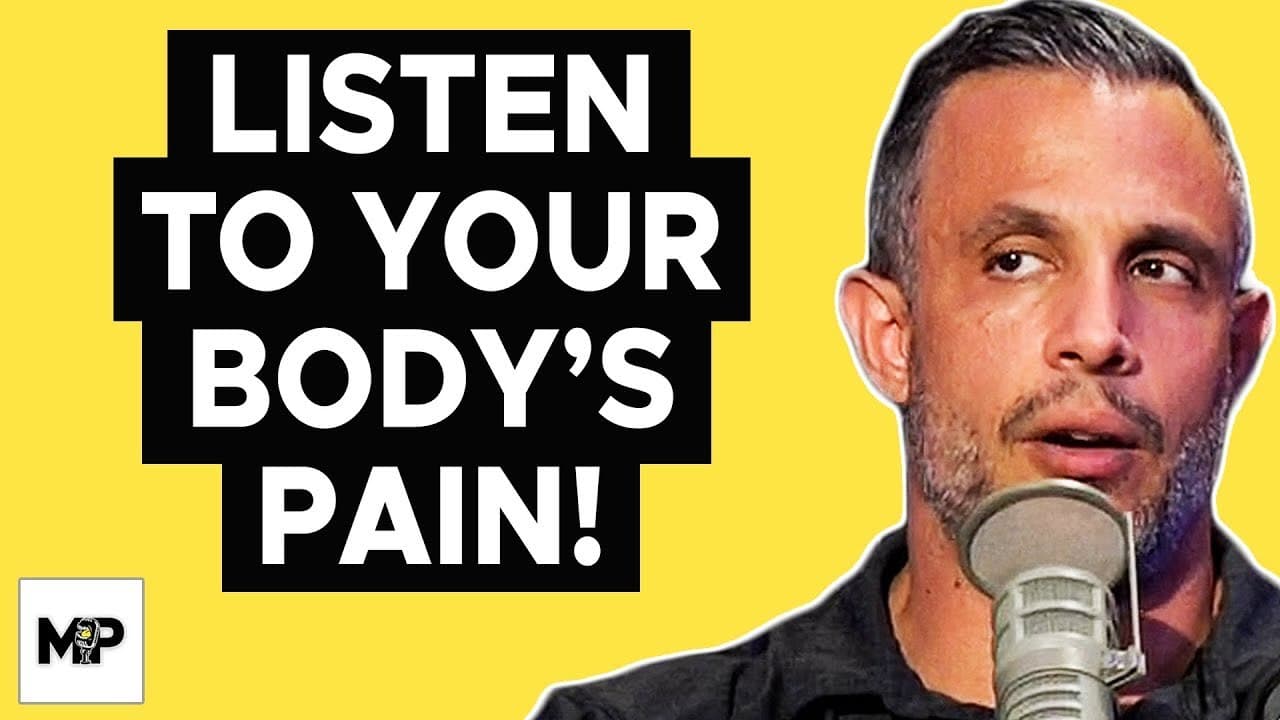
learn your body's language uh it doesn't speak with words but it does speak with pain and mobility and strength and energy and don't ignore them like that is the language of your body and if your body's telling you something like man why is my knee feeling stiff all of a sudden or my energy levels are not what they normally are um don't just uh oka... Read More
Key Insights
- Your body communicates through signals like pain and energy levels; ignoring these can lead to more severe issues.
- Shin splints, often caused by muscle imbalances, can be relieved by strengthening the tibialis muscle with toe raises.
- Chronic injuries generally stem from muscle imbalances; strengthening weaker muscles can prevent these issues.
- Electrolyte balance is crucial for athletes to prevent cramping and muscle tightness during intense activities.
- Listening to your body's signals early can prevent more severe issues, similar to heeding warnings from a friend.
- Strengthening exercises should address the root cause of pain rather than merely avoiding painful activities.
- Female athletes have a higher ACL tear rate due to hip-to-knee angle differences, which can be mitigated by strengthening specific muscles.
- Proper hydration and electrolyte intake are essential for maintaining muscle function and preventing injuries.
Install to Summarize YouTube Videos and Get Transcripts
Explore YouTube Video Summarizer or Get YouTube Transcript Extractor
Questions & Answers
Q: What is the body's language and how does it communicate?
The body communicates through signals such as pain, mobility, strength, and energy levels. These signals indicate imbalances or issues that need attention. Ignoring them can lead to more severe problems, as the body will 'speak' louder until it is heard. Addressing these signals early can prevent injuries and improve health.
Q: How can shin splints be effectively treated?
Shin splints are often caused by a strength imbalance between the calf and the tibialis muscle. Strengthening the tibialis muscle through exercises like toe raises can alleviate shin splints. This approach addresses the root cause of the pain rather than merely providing temporary relief through rest or icing.
Q: What is the role of muscle imbalances in chronic injuries?
Chronic injuries are often due to muscle imbalances, where one muscle is stronger than its counterpart. This imbalance can lead to repetitive strain and injury. Identifying and strengthening the weaker muscle can restore balance and prevent these injuries, enhancing overall performance and reducing pain.
Q: How important is electrolyte balance for athletes?
Electrolyte balance is crucial for athletes to prevent cramping and muscle tightness during intense activities. Proper hydration and electrolyte intake help maintain muscle function and prevent injuries. Athletes often overlook this aspect, focusing solely on water intake, which can lead to imbalances and performance issues.
Q: How can strengthening exercises address the root cause of pain?
Strengthening exercises can address the root cause of pain by targeting and strengthening the weaker muscles that contribute to imbalances. This approach not only alleviates pain but also prevents it from recurring by correcting the underlying issue, rather than merely avoiding the painful activity.
Q: Why do female athletes have a higher rate of ACL tears?
Female athletes have a higher ACL tear rate due to a greater hip-to-knee angle, which can increase stress on the ACL. Strengthening the appropriate muscles and movements can mitigate this risk by improving stability and balance, thereby reducing the likelihood of ACL injuries.
Q: What is the impact of proper hydration on muscle function?
Proper hydration and electrolyte intake are essential for maintaining muscle function and preventing injuries. Dehydration or electrolyte imbalances can lead to muscle cramps, tightness, and increased risk of injury. Athletes should focus on both water and electrolyte intake to ensure optimal muscle performance.
Q: How can listening to your body's signals prevent severe issues?
Listening to your body's early signals, like pain or fatigue, can prevent more severe issues by addressing imbalances or deficiencies before they escalate. This proactive approach allows for corrective measures, such as targeted exercises or nutritional adjustments, to be implemented, maintaining health and preventing injury.
Summary & Key Takeaways
-
Your body communicates through pain and energy levels, and ignoring these signals can lead to severe issues. Addressing these signals early, much like heeding a friend's warning, can prevent injury.
-
Shin splints are commonly caused by muscle imbalances, particularly a weak tibialis muscle. Strengthening this muscle through toe raises can alleviate shin splints, which are often misdiagnosed as micro-fractures.
-
Chronic injuries often result from imbalances between strong and weak muscles. Addressing these imbalances through targeted strengthening exercises can prevent injuries and improve overall performance.
Read in Other Languages (beta)
Share This Summary 📚
Summarize YouTube Videos and Get Video Transcripts with 1-Click
Try YouTube Summary with ChatGPT & Claude or YouTube Transcript Generator
Explore More Summaries from Mind Pump Show 📚


Summarize YouTube Videos and Get Video Transcripts with 1-Click
Try YouTube Summary with ChatGPT & Claude or YouTube Transcript Generator