How to Fix Fashion and Protect the Planet | Amy Powney | TED
TL;DR
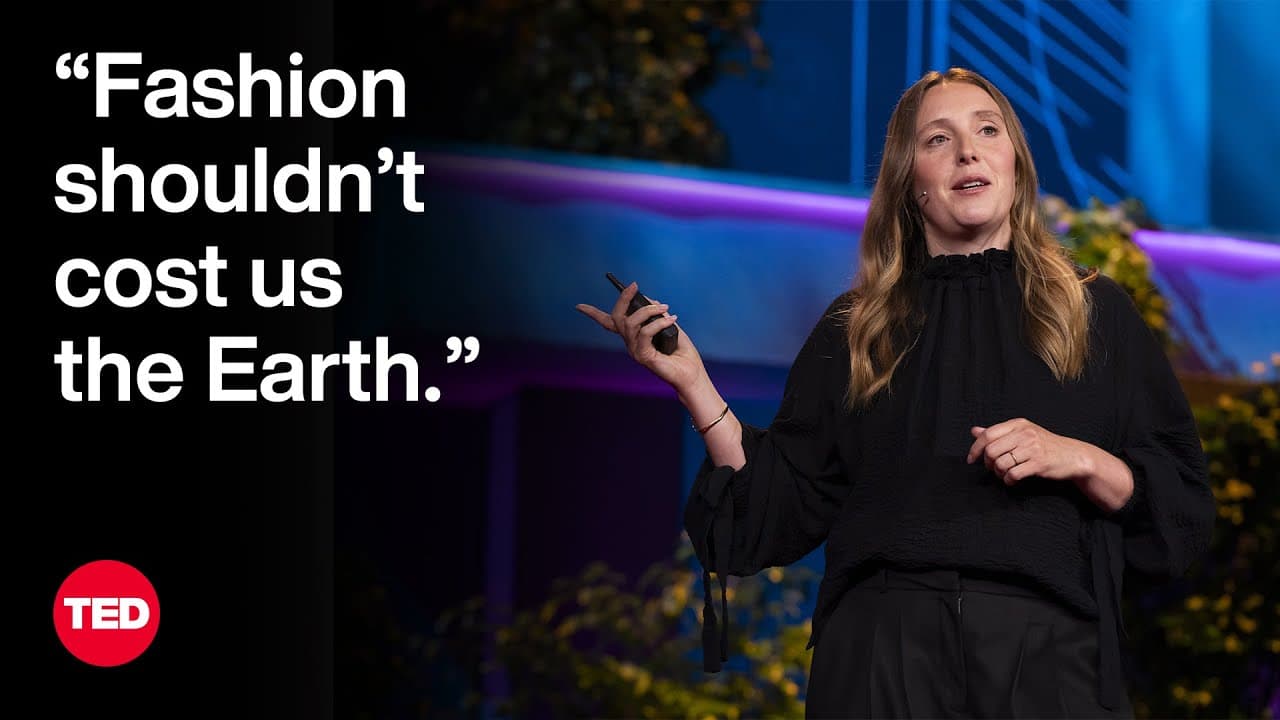
A fashion designer shares her journey towards creating a fully sustainable and ethical fashion collection, emphasizing the environmental and social impact of the fashion industry.
Transcript
I was determined to be a designer. A fashion designer. My career was built off my childhood happy place of crafting with my mother, and I dreamt of unleashing my creativity in an industry that was borne on style and trends and luxury. It was a contradiction to my own childhood of hand-me-downs and no logos, often teased by my peers. I grew up in th... Read More
Key Insights
- 🔮 The fashion industry is built on luxury and trends, but it often overlooks sustainability and where clothing materials come from.
- 🚜 The production of fashion items relies on natural resources such as worms, animals, agriculture, forestry, and fossil fuels.
- 🌍 When we talk about climate change, we often focus on big industries like aviation and shipping, but the fashion industry plays a significant role as well.
- 👗 Polyester dresses, for example, contribute to climate change during their manufacturing process, release microplastics when washed, and take hundreds of years to break down in landfills.
- 📈 Mass industrialization and the desire for faster and cheaper fashion have led to a disconnect from our clothes and an increase in clothing waste.
- 👥 The fashion industry often neglects the 3.4 billion people who work in it, most of whom are female and not paid a living wage.
- 🌍 Ethical fashion requires sustainable supply chains and a shift towards a circular system that adds value back to the environment.
- 🌿 True systemic change will only occur when we reconnect with the living world and prioritize the well-being of both people and the planet in fashion practices.
Install to Summarize YouTube Videos and Get Transcripts
Explore YouTube Video Summarizer or Get YouTube Transcript Extractor
Questions & Answers
Q: How does the fashion industry contribute to climate change?
The fashion industry contributes to climate change through its reliance on natural resources for fabric production and its use of fossil fuels in manufacturing processes. Additionally, clothing waste, especially items made of synthetic materials like polyester, further contributes to climate change when they end up in landfills.
Q: Why is it important to understand the supply chain of clothing?
Understanding the supply chain of clothing is crucial because it helps us trace back the environmental and social impact of fashion. It allows consumers to make informed choices and support brands that prioritize sustainable and ethical practices, while also advocating for change within the industry.
Q: How can fashion brands promote sustainability to consumers?
Fashion brands can promote sustainability to consumers by providing transparency about their supply chains and manufacturing processes. This may include using natural and organic fibers, recycling and upcycling materials, and supporting fair labor practices. By educating consumers, brands can encourage conscious shopping choices that prioritize the environment and workers' well-being.
Q: What does it mean to create a circular system in the fashion industry?
Creating a circular system in the fashion industry means shifting from a linear model of production and consumption to one that aims to minimize waste and maximize resource efficiency. This involves designing products with longevity, implementing recycling and upcycling initiatives, and promoting the reuse of materials. The goal is to minimize the industry's environmental impact and create a more sustainable and regenerative system.
Summary & Key Takeaways
-
The speaker, a fashion designer, embarked on a mission to create a fully sustainable collection for her brand by exploring the entire supply chain from field to finished product.
-
She highlights that fashion is born of natural resources and discusses the environmental consequences of fabric production and clothing waste.
-
The speaker calls for a shift towards sustainable practices, ethical supply chains, and a circular system in the fashion industry.
Read in Other Languages (beta)
Share This Summary 📚
Summarize YouTube Videos and Get Video Transcripts with 1-Click
Try YouTube Summary with ChatGPT & Claude or YouTube Transcript Generator
Explore More Summaries from TED 📚



Summarize YouTube Videos and Get Video Transcripts with 1-Click
Try YouTube Summary with ChatGPT & Claude or YouTube Transcript Generator