Traditional vs Roth IRA: Which Is Better for You?
TL;DR
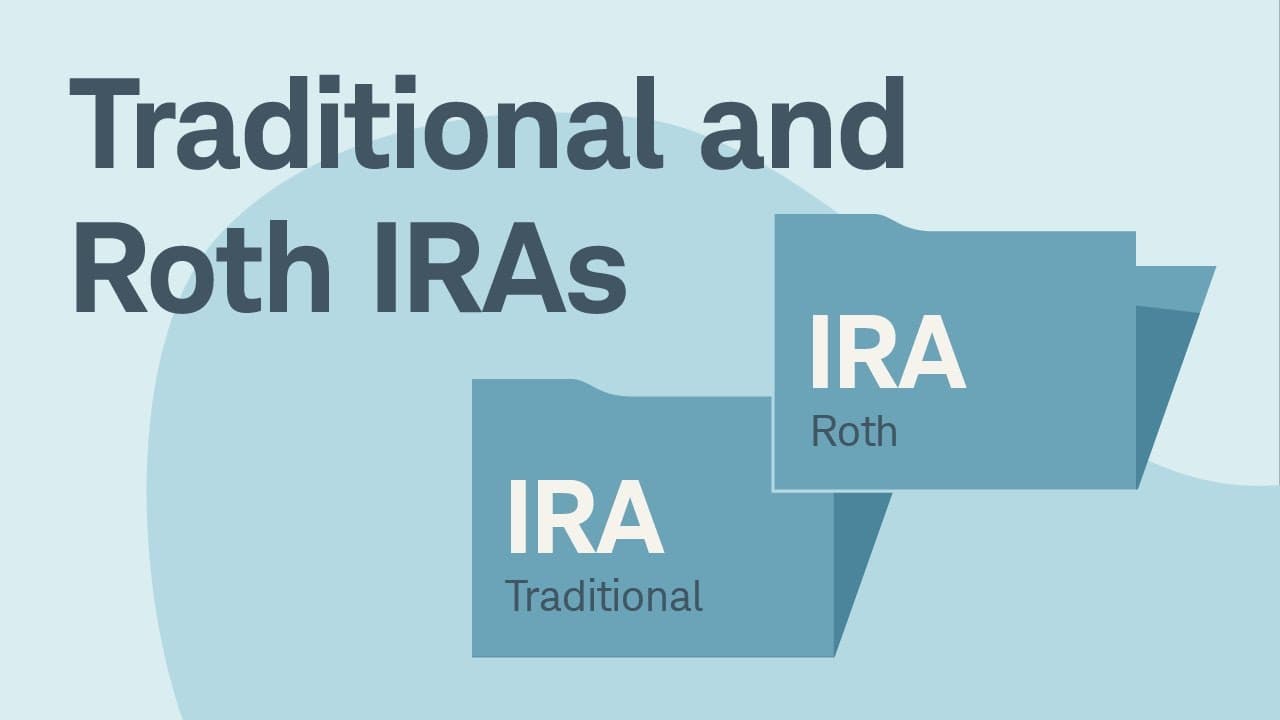
The choice between a traditional and a Roth IRA depends on your expected future tax rates. A traditional IRA offers tax deductions now with taxes due upon withdrawal, making it beneficial if you anticipate lower taxes in retirement. Conversely, a Roth IRA requires you to pay taxes now, allowing for tax-free withdrawals later, which is advantageous if you expect your tax rate to be higher in retirement.
Transcript
If you're saving for retirement, IRAs, also known as Individual Retirement Accounts, can offer significant tax advantages. This video focuses on how to choose between two common types of IRAs: traditional and Roth. Each provides different tax benefits. In a taxable investment account, you have to pay taxes annually on most investment income and gai... Read More
Key Insights
- 😵💫 IRAs offer tax advantages for retirement savings.
- 😵💫 Traditional IRAs provide tax deductions on contributions.
- 🥶 Roth IRAs offer tax-free withdrawals after five years.
- ☠️ Choosing between IRAs depends on predicting future tax rates.
- 😵💫 Contributions to both traditional and Roth IRAs can maximize tax benefits.
- ❓ Early withdrawals from IRAs may incur penalties and taxes.
- 😀 High earners may face limitations on IRA eligibility.
Install to Summarize YouTube Videos and Get Transcripts
Explore YouTube Video Summarizer or Get YouTube Transcript Extractor
Questions & Answers
Q: What are the key differences between traditional and Roth IRAs?
Traditional IRAs offer tax deductions on contributions, with taxes paid upon withdrawal, while Roth IRAs provide tax-free withdrawals after five years with no tax deductions.
Q: How should individuals decide between traditional and Roth IRAs?
The choice depends on predicting future tax rates; if future taxes are expected to be higher, a Roth IRA may be better, while lower future taxes may favor a traditional IRA.
Q: Are there penalties for early withdrawals from both types of IRAs?
Early withdrawals from traditional IRAs may incur penalties and taxes, whereas Roth IRAs allow penalty-free withdrawals of contributions but may incur taxes on earnings.
Q: What are the limitations on IRA eligibility and tax benefits?
High earners may not be eligible for Roth IRAs, and traditional IRA contributions may not be tax-deductible if already participating in an employer-sponsored retirement plan.
Summary & Key Takeaways
-
IRAs, including traditional and Roth, offer tax advantages for retirement savings.
-
Traditional IRAs provide tax deductions on contributions, with taxes paid upon withdrawal.
-
Roth IRAs don't offer tax deductions, but withdrawals are tax-free after five years.
Read in Other Languages (beta)
Share This Summary 📚
Summarize YouTube Videos and Get Video Transcripts with 1-Click
Try YouTube Summary with ChatGPT & Claude or YouTube Transcript Generator
Explore More Summaries from Charles Schwab 📚




Summarize YouTube Videos and Get Video Transcripts with 1-Click
Try YouTube Summary with ChatGPT & Claude or YouTube Transcript Generator